
 “Background: Children with cancer are increasingly using cannabis therapeutically.
Aim: The purpose of this study was to determine the perspectives and practices of pediatric oncologists and palliative care physicians regarding the use of cannabis for medical purposes among children with cancer.
Methods: A self-administered, voluntary, cross-sectional, deidentified online survey was sent to all pediatric oncologists and palliative care physicians in Canada between June and August 2020. Survey domains included education, knowledge, and concerns about cannabis, views on its effectiveness, and the importance of cannabis-related research. Data were analyzed using descriptive statistics.
Results: In total, 122/259 (47.1%) physicians completed the survey. Although 62.2% of the physicians completed some form of training about medical cannabis, nearly all (95.8%) desired to know more about the dosing, side effects, and safety of cannabis. Physicians identified a potential role of cannabis in the management of nausea and vomiting (85.7%), chronic pain (72.3%), cachexia/poor appetite (67.2%), and anxiety or depression (42.9%). Only four (0.3%) physicians recognized cannabis to be potentially useful as an anticancer agent. Nearly all physicians reported that cannabis-related research for symptom relief is essential (91.5%) in pediatric oncology, whereas 51.7% expressed that future studies are necessary to determine the anticancer effects of cannabis.
Conclusions: Our findings indicate that most pediatric oncologists and palliative care physicians recognize a potential role for cannabis in symptom control in children with cancer. Well-conducted studies are required to create evidence for cannabis use and promote shared decision making with pediatric oncology patients and their caregivers.”
“Several important implications from our findings include an urgent call for research and the development of clinical practice guidelines to support families and health care providers advising on the use of cannabis products in pediatric oncology. Funding agencies would be wise to provide direct funding opportunities for cannabis research in cancer, particularly among pediatric oncology populations where interest and use are rapidly outpacing the generation of rigorous evidence on dosing, efficacy, and safety.”
 “In response to the need of more rigorous data on medical cannabis and chronic pain, we conducted a 3-month prospective study incorporating ecological momentary assessment (EMA) to examine the effects of medical cannabis on pain, anxiety/depression, sleep, and quality of life.
 “Pain prevalence among adults in the United States has increased 25% over the past two decades, resulting in high health-care costs and impacts to patient quality of life. In the last 30 years, our understanding of pain circuits and (intra)cellular mechanisms has grown exponentially, but this understanding has not yet resulted in improved therapies. Options for pain management are limited. Many analgesics have poor efficacy and are accompanied by severe side effects such as addiction, resulting in a devastating opioid abuse and overdose epidemic. These problems have encouraged scientists to identify novel molecular targets and develop alternative pain therapeutics.
 “Aging is a complex phenomenon associated with a wide spectrum of physical and physiological changes affecting every part of all metazoans, if they escape death prior to reaching maturity. Critical to survival, the immune system evolved as the principal component of response to injury and defense against pathogen invasions. Because how significantly immune system affects and is affected by aging, several neologisms now appear to encapsulate these reciprocal relationships, such as Immunosenescence. The central part of Immunosenescence is Inflammaging -a sustained, low-grade, sterile inflammation occurring after reaching reproductive prime. Once initiated, the impact of Inflammaging and its adverse effects determine the direction and magnitudes of further Inflammaging. In this article, we review the nature of this vicious cycle, we will propose that phytocannabinoids as immune regulators may possess the potential as effective adjunctive therapies to slow and, in certain cases, reverse the pathologic senescence to permit a more healthy aging.”
 “HIV-associated neurocognitive disorders (HAND) persist despite the advent of antiretroviral therapy (ART), suggesting underlying systemic and central nervous system (CNS) inflammatory mechanisms.
 “Purpose:
 “Chronic hepatitis B virus (HBV) infection may evolve into cirrhosis and hepatocellular carcinoma, and this progression may be accelerated by specific risk factors, including overweight and obesity. Although evidence for a protective effect of cannabis use on elevated body weight has been found for other populations, no data are available for HBV-infected patients.
  “Interest in CBG (cannabigerol) has been growing in the past few years, due to its anti-inflammatory properties and other therapeutic benefits.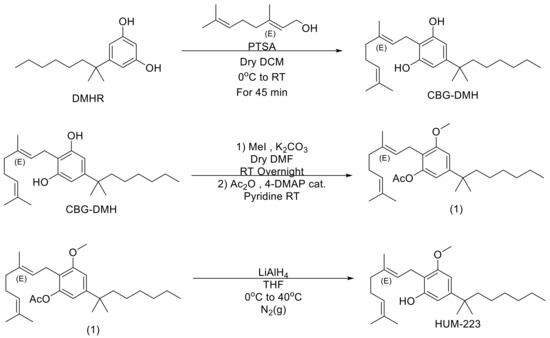
 “Beta-Caryophyllene (BCP), a naturally occurring sesquiterpene abundantly found in cloves, hops, and cannabis, is the active candidate of a relatively new group of vascular-inhibiting compounds that aim to block existing tumor blood vessels.
  “Acute respiratory distress syndrome (ARDS) is a life-threatening clinical syndrome whose potential to become one of the most grievous challenges of the healthcare system evidenced by the COVID-19 pandemic. Considering the lack of target-specific treatment for ARDS, it is absolutely exigent to have an effective therapeutic modality to reduce hospitalization and mortality rate as well as to improve quality of life and outcomes for ARDS patients. ARDS is a systemic inflammatory disease starting with the pulmonary system and involves all other organs in a morbid bidirectional fashion. Mounting evidence including our findings supporting the notion that cannabinoids have potential to be targeted as regulatory therapeutic modalities in the treatment of inflammatory diseases. Therefore, it is plausible to test their capabilities as alternative therapies in the treatment of ARDS. In this study, we investigated the potential protective effects of cannabichromene (CBC) in an experimental model of ARDS.