“Nonalcoholic fatty liver disease (NAFLD) is associated with metabolic syndrome, which often includes obesity, diabetes, and dyslipidemia. Several studies in mice and humans have implicated the involvement of the gut microbiome in NAFLD.
While cannabis may potentially be beneficial for treating metabolic disorders such as NAFLD, the effects of cannabis on liver diseases and gut microbiota profile are yet to be addressed. In this study, we evaluated the therapeutic effects of cannabis strains with different cannabinoid profiles on NAFLD progression.
Conclusions: The results of this study indicate that the administration of cannabis containing elevated levels of THC may help ameliorate symptoms of NAFLD, whereas administration of CBD-rich cannabis extracts may cause a proinflammatory effect in the liver, linked with an unfavorable change in the microbiota profile. Our preliminary data suggest that these effects are mediated by mechanisms other than increased expression of the endocannabinoid receptors cannabinoid receptor 1 (CB1) and CB2.”
https://pubmed.ncbi.nlm.nih.gov/32923658/
“The results of this study provide an indication that administration of certain strains of cannabis, preferably with a higher THC level, may be helpful in treating certain symptoms of metabolic syndrome, which include preventing the development and/or ameliorating the symptoms of NAFLD.”
 “Δ9 -Tetrahydrocannabinol (THC), the main bioactive compound found in the plant Cannabis sativa, exerts its effects by activating cannabinoid receptors present in many neural cells.
 “Psoriasis is associated with increased production of reactive oxygen species which leads to oxidative stress.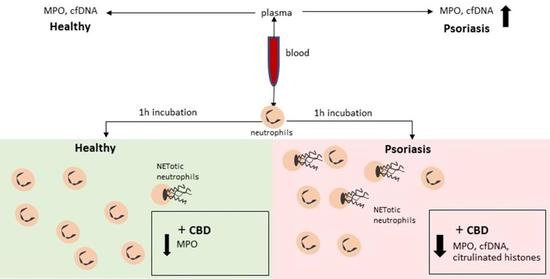
 “The pharmacological treatment for autism spectrum disorders is often poorly tolerated and has traditionally targeted associated conditions, with limited benefit for the core social deficits.
 “People living with HIV (PLWH) report higher rates of cannabis use than the general population, a trend likely to continue in light of recent policy changes and the reported therapeutic benefits of cannabis for PLWH. Therefore, it is important to better understand cannabis-associated effects on neurocognition, especially as PLWH are at heightened risk for neurocognitive impairment.
 “Natural cannabinoids may have beneficial effects on various tissues and functions including a positive influence on the immune system and the inflammatory process.