“Alcoholic gastritis, a superficial erosive disease of the stomach, is a common manifestation of risky alcohol use. In contrast, cannabis which is frequently co-used with alcohol suppresses gastric acidity and might counteract the deleterious effect of alcohol on the gastric mucosa.
RESULTS:
Our study revealed that among risky alcohol users, cannabis co-users have a lower prevalence of alcoholic gastritis compared to non-cannabis users (1,289[1,169-1,421] vs. 1,723[1,583-1,875] per 100,000 hospitalizations for risky alcohol use), resulting in a 25% decreased probability of alcoholic gastritis (aRR:0.75[0.66-0.85]; p-value:<0.0001). Furthermore, dependent cannabis usage resulted in a lower prevalence of alcoholic gastritis when compared to both non-dependent-cannabis users (0.72[0.52-0.99]), and to non-cannabis-users (0.56[0.41-0.76]).
CONCLUSIONS:
We reveal that risky alcohol drinking combined with cannabis use is associated with reduced prevalence of alcohol-associated gastritis in patients. Given increased cannabis legislation globally, understanding if and how the specific ingredients in cannabis plant extract can be used in the treatment of alcoholic gastritis is paramount. In this regard, further molecular mechanistic studies are needed to delineate the mechanisms of our novel findings not only for alcoholic gastritis but also gastritis from other causes.”
https://www.ncbi.nlm.nih.gov/pubmed/30536396
https://onlinelibrary.wiley.com/doi/abs/10.1111/acer.13930]]>

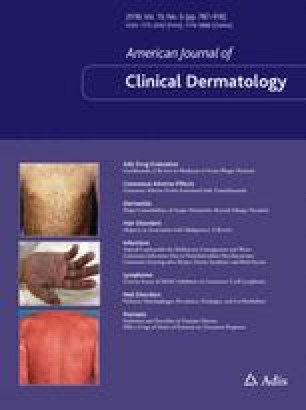 “The endocannabinoid system is a complex and nearly ubiquitous network of endogenous ligands, enzymes, and receptors that can also be stimulated by exogenous compounds such as those derived from the marijuana plant, Cannabis sativa.
Recent data have shown that the endocannabinoid system is fully functional in the skin and is responsible for maintaining many aspects of skin homeostasis, such as proliferation, differentiation, and release of inflammatory mediators. Because of its role in regulating these key processes, the endocannabinoid system has been studied for its modulating effects on both inflammatory disorders of the skin and skin cancer.
Although legal restrictions on marijuana as a Schedule I drug in the USA have made studying cannabinoid compounds unfavorable, an increasing number of studies and clinical trials have focused on the therapeutic uses of cannabinoids. This review seeks to summarize the current, and rapidly expanding field of research on the broad potential uses of cannabinoids in inflammatory and neoplastic diseases of the skin.”
https://www.ncbi.nlm.nih.gov/pubmed/30542832
“The endocannabinoid system is a complex and nearly ubiquitous network of endogenous ligands, enzymes, and receptors that can also be stimulated by exogenous compounds such as those derived from the marijuana plant, Cannabis sativa.
Recent data have shown that the endocannabinoid system is fully functional in the skin and is responsible for maintaining many aspects of skin homeostasis, such as proliferation, differentiation, and release of inflammatory mediators. Because of its role in regulating these key processes, the endocannabinoid system has been studied for its modulating effects on both inflammatory disorders of the skin and skin cancer.
Although legal restrictions on marijuana as a Schedule I drug in the USA have made studying cannabinoid compounds unfavorable, an increasing number of studies and clinical trials have focused on the therapeutic uses of cannabinoids. This review seeks to summarize the current, and rapidly expanding field of research on the broad potential uses of cannabinoids in inflammatory and neoplastic diseases of the skin.”
https://www.ncbi.nlm.nih.gov/pubmed/30542832
 “Cannabis has been used for medicinal purposes for thousands of years.
The prohibition of cannabis in the middle of the 20th century has arrested cannabis research.
In recent years there is a growing debate about the use of cannabis for medical purposes.
The term ‘medical cannabis’ refers to physician-recommended use of the cannabis plant and its components, called
“Cannabis has been used for medicinal purposes for thousands of years.
The prohibition of cannabis in the middle of the 20th century has arrested cannabis research.
In recent years there is a growing debate about the use of cannabis for medical purposes.
The term ‘medical cannabis’ refers to physician-recommended use of the cannabis plant and its components, called  “Pre-clinical research supports that
  “In patients with cancer, the use of medical cannabis has increased significantly during the recent years. There is evidence that cannabis consumption may affect cognitive performance; however, this potential effect has not been investigated prospectively in patients with cancer to date.
We aimed to evaluate the effect of cannabis consumption on cognitive abilities as well as on symptom relief in patients with cancer during chemotherapy treatment.
“In patients with cancer, the use of medical cannabis has increased significantly during the recent years. There is evidence that cannabis consumption may affect cognitive performance; however, this potential effect has not been investigated prospectively in patients with cancer to date.
We aimed to evaluate the effect of cannabis consumption on cognitive abilities as well as on symptom relief in patients with cancer during chemotherapy treatment.
 “The euphoric feeling described after running is, at least in part, due to increased circulating endocannabinoids (eCBs). eCBs are lipid signaling molecules involved in reward, appetite, mood, memory and neuroprotection.
The aim of this study was to investigate whether activities other than running can increase circulating eCBs.
Nine healthy female volunteers (mean 61 years) were recruited from a local choir. Circulating eCBs, haemodynamics, mood and hunger ratings were measured before and immediately after 30 min of dance, reading, singing or cycling in a fasted state.
Singing increased plasma levels of anandamide (AEA) by 42% (P < 0.05), palmitoylethanolamine (PEA) by 53% (P < 0.01) and oleoylethanolamine (OEA) by 34% (P < 0.05) and improved positive mood and emotions (P < 0.01), without affecting hunger scores.
Dancing did not affect eCB levels or hunger ratings, but decreased negative mood and emotions (P < 0.01).
Cycling increased OEA levels by 26% (P < 0.05) and tended to decrease how hungry volunteers felt, without affecting mood.
Reading increased OEA levels by 28% (P < 0.01) and increased the desire to eat.
Plasma AEA levels were positively correlated with how full participants felt (P < 0.05). Plasma OEA levels were positively correlated with positive mood and emotions (P < 0.01). All three ethanolamines were positively correlated with heart rate (HR; P < 0.0001).
These data suggest that activities other than running can increase plasma eCBs associated with changes in mood or appetite. Increases in eCBs may underlie the rewarding and pleasurable effects of singing and exercise and ultimately some of the long-term beneficial effects on mental health, cognition and memory.”
“The euphoric feeling described after running is, at least in part, due to increased circulating endocannabinoids (eCBs). eCBs are lipid signaling molecules involved in reward, appetite, mood, memory and neuroprotection.
The aim of this study was to investigate whether activities other than running can increase circulating eCBs.
Nine healthy female volunteers (mean 61 years) were recruited from a local choir. Circulating eCBs, haemodynamics, mood and hunger ratings were measured before and immediately after 30 min of dance, reading, singing or cycling in a fasted state.
Singing increased plasma levels of anandamide (AEA) by 42% (P < 0.05), palmitoylethanolamine (PEA) by 53% (P < 0.01) and oleoylethanolamine (OEA) by 34% (P < 0.05) and improved positive mood and emotions (P < 0.01), without affecting hunger scores.
Dancing did not affect eCB levels or hunger ratings, but decreased negative mood and emotions (P < 0.01).
Cycling increased OEA levels by 26% (P < 0.05) and tended to decrease how hungry volunteers felt, without affecting mood.
Reading increased OEA levels by 28% (P < 0.01) and increased the desire to eat.
Plasma AEA levels were positively correlated with how full participants felt (P < 0.05). Plasma OEA levels were positively correlated with positive mood and emotions (P < 0.01). All three ethanolamines were positively correlated with heart rate (HR; P < 0.0001).
These data suggest that activities other than running can increase plasma eCBs associated with changes in mood or appetite. Increases in eCBs may underlie the rewarding and pleasurable effects of singing and exercise and ultimately some of the long-term beneficial effects on mental health, cognition and memory.”
 “Cancer cachexia (CC) is common in advanced cancer and is accompanied by negative effects on health-related quality of life (HRQOL).
However, methods to identify the impact of CC on HRQOL are limited.
Finally, the use of cannabinoids in treating appetite loss was examined,
54 patients underwent cannabinoid treatment for appetite loss within a community-based, physician-lead, medical cannabis clinic.
Edmonton Symptom Assessment System (ESAS) score for lack of appetite significantly improved between baseline and follow-up after cannabinoid treatment, with no significant difference in weight.
Improvement of HRQOL via appetite stimulation, may be achieved through a multidisciplinary approach, which includes cannabinoid therapy.”
“Cancer cachexia (CC) is common in advanced cancer and is accompanied by negative effects on health-related quality of life (HRQOL).
However, methods to identify the impact of CC on HRQOL are limited.
Finally, the use of cannabinoids in treating appetite loss was examined,
54 patients underwent cannabinoid treatment for appetite loss within a community-based, physician-lead, medical cannabis clinic.
Edmonton Symptom Assessment System (ESAS) score for lack of appetite significantly improved between baseline and follow-up after cannabinoid treatment, with no significant difference in weight.
Improvement of HRQOL via appetite stimulation, may be achieved through a multidisciplinary approach, which includes cannabinoid therapy.”