
 “While states are implementing policies to legalize cannabis for medical or recreational purposes, it remains a Schedule 1 controlled substance with no medical uses according to US federal law. The perception of cannabis depends on social and cultural norms that impact political institutions involved in implementing policy. Because of negative social constructions, such as the “gateway hypothesis,” legalization of cannabis has been slow and contentious.
Recent studies suggest that cannabis can help combat the opioid epidemic.
This paper fills a gap in our understanding of how cannabis is viewed by people who are actively misusing opioids and not in treatment. Using ethnographic methods to recruit participants living in a state that legalized cannabis and a state where cannabis was illegal, survey and interview data were analyzed informed by a social constructionist lens.
Findings from their “insider perspective” suggest that for some people struggling with problematic opioid use, cannabis can be beneficial.”
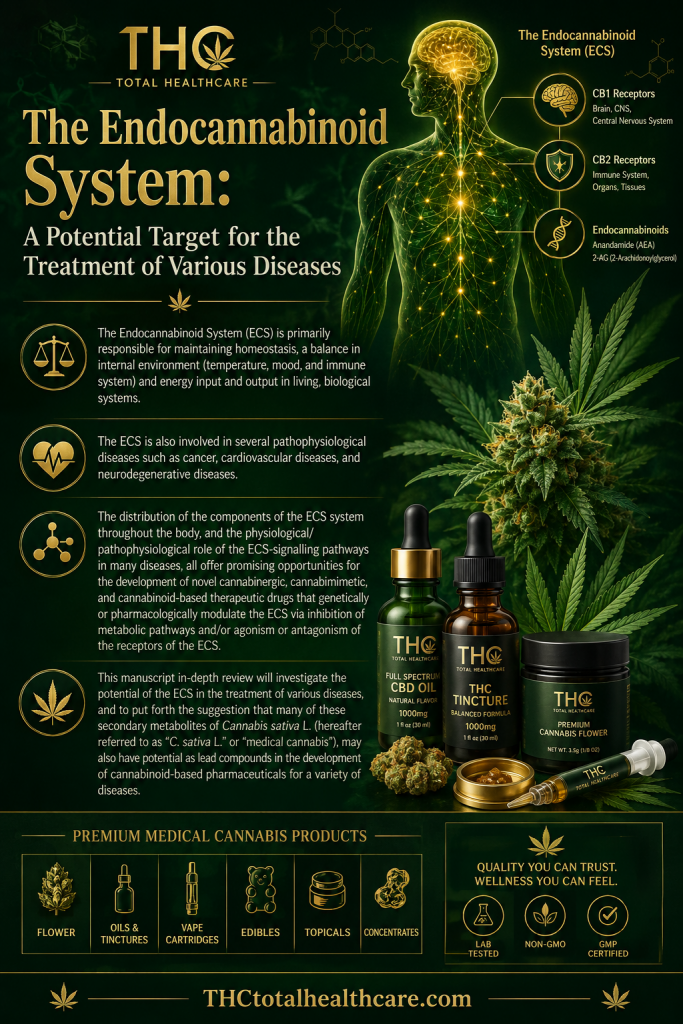
 “The Endocannabinoid System (ECS) is primarily responsible for maintaining homeostasis, a balance in internal environment (temperature, mood, and immune system) and energy input and output in living, biological systems.
 “Background:
  “Objective: The opioid epidemic continues to claim thousands of lives every year without an effective strategy useful in mitigating mortality. The use of medical cannabis has been proposed as a potential strategy to decrease opioid usage. The objective of this study was to determine how the use of medical cannabis affects prescribed opioid usage in chronic pain patients.
 “Background: The ongoing opioid overdose crisis is driven largely by exposure to illicitly-manufactured fentanyl. Preliminary observational and experimental research suggests that cannabis could potentially play a role in reducing use of prescription opioids among individuals with chronic pain. However, there is limited data on the effects of cannabis on illicit opioid consumption, particularly fentanyl, especially among individuals on opioid agonist therapy (OAT). We sought to assess the longitudinal association between cannabis use and exposure to fentanyl among people on OAT.
 “Objectives: This article presents findings from a large prospective examination of Canadian medical cannabis patients, with a focus on the impacts of cannabis on prescription opioid use and quality of life over a 6-month period.
 “Opioid misuse and overuse has contributed to a widespread overdose crisis and many patients and physicians are considering medical cannabis to support opioid tapering and chronic pain control. Using a five-step modified Delphi process, we aimed to develop consensus-based recommendations on: 1) when and how to safely initiate and titrate cannabinoids in the presence of opioids, 2) when and how to safely taper opioids in the presence of cannabinoids, and 3) how to monitor patients and evaluate outcomes when treating with opioids and cannabinoids.
 “Cocaine addiction is a global health problem with no approved pharmacotherapies.
 “Evidence details how cannabis can influence the use of other psychoactive substances, including prescription medications, alcohol, tobacco and illicit drugs, but very little research has examined the factors associated with these changes in substance use patterns. This paper explores the self-reported use of cannabis as a substitute for alcohol among a Canadian medical cannabis patient population.
 “Alcohol is a psychoactive substance highly used worldwide, whose harmful use might cause a broad range of mental and behavioural disorders. Underlying brain impact, the neuroinflammatory response induced by alcohol is recognised as a key contributing factor in the progression of other neuropathological processes, such as neurodegeneration. These sequels are determined by multiple factors, including age of exposure.