Overexpression of cannabinoid receptors CB1 and CB2 correlates with improved prognosis of patients with hepatocellular carcinoma.

“CB1 and CB2 are multifunctional cannabinoid-specific receptors considered to be involved in inhibition of tumor development…

To elucidate their roles in hepatocarcinogenesis, we analyzed the expression of these receptors in tumor and matched nontumorous tissues of human hepatocellular carcinoma (HCC) samples.

Our results indicate that CB1 and CB2 have potential as prognostic indicators and suggest possible beneficial effects of cannabinoids on prognosis of patients with HCC.”

http://www.ncbi.nlm.nih.gov/pubmed/17074588

Cannabinoid action induces autophagy-mediated cell death through stimulation of ER stress in human glioma cells

“Autophagy can promote cell survival or cell death, but the molecular basis underlying its dual role in cancer remains obscure. Here we demonstrate that Δ9-tetrahydrocannabinol (THC), the main active component of marijuana, induces human glioma cell death through stimulation of autophagy…We also showed that autophagy is upstream of apoptosis in cannabinoid-induced human and mouse cancer cell death and that activation of this pathway was necessary for the antitumor action of cannabinoids in vivo.”

An external file that holds a picture, illustration, etc.<br />
Object name is JCI37948.f8.jpg

“These findings describe a mechanism by which THC can promote the autophagic death of human and mouse cancer cells and provide evidence that cannabinoid administration may be an effective therapeutic strategy for targeting human cancers.

Δ9-Tetrahydrocannabinol (THC), the main active component of marijuana, exerts a wide variety of biological effects by mimicking endogenous substances — the endocannabinoids — that bind to and activate specific cannabinoid receptors. One of the most exciting areas of research in the cannabinoid field is the study of the potential application of cannabinoids as antitumoral agents.

Cannabinoid administration has been found to curb the growth of several types of tumor xenografts in rats and mice…

 Considering that no signs of toxicity were observed in the clinical trial patients or in tumor-bearing animals treated intracranially, peritumorally, or intraperitoneally with THC, and that no overt toxic effects have been reported in other clinical trials of cannabinoid use in cancer patients for various applications (e.g., inhibition of nausea, vomiting, and pain) and using different routes of administration (e.g., oral, oro-mucosal) our findings support that safe, therapeutically efficacious doses of THC may be reached in cancer patients.”

 http://www.ncbi.nlm.nih.gov/pmc/articles/PMC2673842/

Active Component Of Marijuana Has Anti-Cancer Effects, Study Suggests

“Guillermo Velasco and colleagues, at Complutense University, Spain, have provided evidence that suggests that cannabinoids such as the main active component of marijuana (THC) have anticancer effects on human brain cancer cells.

In the study, THC was found to induce the death of various human brain cancer cell lines and primary cultured human brain cancer cells by a process known as autophagy.

Consistent with the in vitro data, administration of THC to mice with human tumors decreased tumor growth and induced the tumor cells to undergo autophagy. As analysis of tumors from two patients with recurrent glioblastoma multiforme (a highly aggressive brain tumor) receiving intracranial THC administration showed signs of autophagy, the authors suggest that cannabinoid administration may provide a new approach to targeting human cancers.”  http://www.sciencedaily.com/releases/2009/04/090401181217.htm

“Cannabinoid action induces autophagy-mediated cell death through stimulation of ER stress in human glioma cells” https://www.jci.org/articles/view/37948


A tale of two cannabinoids: the therapeutic rationale for combining tetrahydrocannabinol and cannabidiol.

“This study examines the current knowledge of physiological and clinical effects of tetrahydrocannabinol (THC) and cannabidiol (CBD) and presents a rationale for their combination in pharmaceutical preparations. Cannabinoid and vanilloid receptor effects as well as non-receptor mechanisms are explored, such as the capability of THC and CBD to act as anti-inflammatory substances independent of cyclo-oxygenase (COX) inhibition.

CBD is demonstrated to antagonise some undesirable effects of THC including intoxication, sedation and tachycardia, while contributing analgesic, anti-emetic, and anti-carcinogenic properties in its own right.

In modern clinical trials, this has permitted the administration of higher doses of THC, providing evidence for clinical efficacy and safety for cannabis based extracts in treatment of spasticity, central pain and lower urinary tract symptoms in multiple sclerosis, as well as sleep disturbances, peripheral neuropathic pain, brachial plexus avulsion symptoms, rheumatoid arthritis and intractable cancer pain. Prospects for future application of whole cannabis extracts in neuroprotection, drug dependency, and neoplastic disorders are further examined.

The hypothesis that the combination of THC and CBD increases clinical efficacy while reducing adverse events is supported.”

http://www.ncbi.nlm.nih.gov/pubmed/16209908

Antitumor Effects of THC.

“1-Trans-[delta.sup.9]-tetrahydrocannabinol (THC) the main active component of marijuana, has been shown to exhibit anticancer activity.

Galve-Roperh et al. reported that intratumoral administration of THC induces apoptosis of transformed neural cells in culture, and also induces a considerable regression of malignant gliomas in Wistar rats and in mice… These authors suggest that their “results may provide the basis for a new therapeutic approach for the treatment of malignant gliomas.”

Thus, in our studies, rats and mice that received THC for 2 years exhibited body weight reductions, enhanced survival rates, and decreased tumor incidences in several sites, mainly organs under hormonal control.

These earlier experimental carcinogenesis results on THC clearly lend further validity to the notion that cannabinoids may indeed be anticarcinogenic.”

http://www.thefreelibrary.com/Antitumor+Effects+of+THC.-a068148345

“Antitumor effects of THC.” http://www.ncbi.nlm.nih.gov/pubmed/11097557

Toxicity and carcinogenicity of delta 9-tetrahydrocannabinol in Fischer rats and B6C3F1 mice.

“delta 9-Tetrahydrocannabinol (delta 9-THC) was studied for potential carcinogenicity in rodents because it is the principal psychoactive ingredient in marihuana and it has potential medicinal uses. delta 9-THC in corn oil was administered by gavage to groups of male and female Fischer rats and B6C3F1 mice…

  Decreased tumor incidences…

 …There was no evidence that delta 9-THC was carcinogenic in rats or mice.”

http://www.ncbi.nlm.nih.gov/pubmed/8812248

The Amazing Health Benefits of Juicing Raw Cannabis (Marijuana) Leaves

“Contrary to popular belief, the marijuana plant is a whole lot more than just a psychoactive drug that “stoners” use to get high.

In raw form, marijuana leaves and buds are actually loaded with a non-psychoactive, antioxidant, anti-inflammatory, and anti-cancer nutrient compound known as cannabidiol (CBD) that is proving to be a miracle “superfood” capable of preventing and reversing a host of chronic illnesses…


“There’s a tendency to discount claims when something appears to be good for everything, but there’s a reason this is the case. The endogenous cannabinoid system acts as a modulator in fine-tuning a lot of these systems, and if something is deranged biochemically in a person’s body, it may well be that a cannabinoid system can bring things back into balance.””

Read More: http://www.whydontyoutrythis.com/2013/02/health-benefits-of-juicing-raw-cannabis.html#sthash.Zgix94HO.dpbs

Cannabis Treats Cancer and Epilepsy

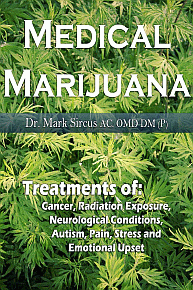
Description: Medical Marijuana

Dr. Mark Sircus, Ac., OMD, DM (P)

Director International Medical Veritas Association

Doctor of Oriental and Pastoral Medicine

Dr. Sean McAllister and Pierre Desprez claim they’ve successfully used cannabidiol to fight animal genes involved in the spread of cancer. “We found this one compound had a specific effect on metastatic cancer cells, very aggressive tumor cells,” McAllister says. Cannabidiol, the research appears to show, helps shut down receptors that inhibit cancerous cells from metastasizing.  “We find when you treat with cannabidiol, you down regulate the expression of this protein, and that inhibits the disease process.” Unlike THC, the ingredient in marijuana that makes you feel stoned, cannabidiol is a non-toxic compound of the plant that has no psychoactive qualities.

I already published that marijuana is the best medicine for 3-year-old Cash Hyde of Missoula, Montana. The boy’s parent’s defied doctor’s orders—and Montana law—to get their hands on the medicinal treatment their son needed after he was diagnosed with recurring brain tumors at 22 months old. “I’ve had law enforcement threatening to kick my door down, but I would have done anything to keep Cashy alive,” said Mike Hyde, who has long been a proponent of the drug, told ABCNews.com.

My book on Medical Marijuana goes into the research from around the globe, including from Harvard University that sustains the conclusions of doctors McAllister and Desprez.

Dixie Botanicals is shipping Cannabidiol from Denver Colorado to all fifty states though of course one can grow marijuana oneself and or use regular marijuana strains if one lives in one of the now fifteen states that has made medical marijuana legal.

I take great exception to the Obama administration that has continued to resist the legalization on a federal level of medical marijuana. They still insist that there is no medical use for marijuana when all the science proves the government to be dead wrong. They hunt the world for terrorists but some of the worst live and work right in Washington DC. Terrorists are people who hurt others and I do not see the difference between those who use guns and those who use drugs or deny the population the natural substances they need to be well.

Of course marijuana is extremely effective for other diseases. The most recent I have read about: Medical pot treats boy’s epilepsy, without getting him high. The little boy has been swallowing droppers full of a solution made mostly of cannabidiol, or CBD, the second most prominent of marijuana’s 100 or so cannabinoids. Unlike the dominant THC, cannabidiol is not psychoactive, so the sweet-tasting infusion Jayden takes four times a day doesn’t make him high.

Down from 22 prescription pills per day to four, he now eats solid food, responds to his father’s incessant requests for kisses and dances in his Modesto living room to the “Yo Gabba Gabba!” theme song. The frequency and intensity of his seizures have been greatly reduced.

CBD was virtually bred out of U.S. plants decades ago by growers whose customers preferred the mind-altering properties of high-THC varietals. Yet it is experiencing a resurgence, having shown promise as an anti-inflammatory, anticonvulsant, neuroprotectant and cancer-fighting agent.

Studies have shown THC is “overwhelmingly anticonvulsant” in animals, said Dr. Ben Whalley, a researcher at Britain’s University of Reading, but CBD and some other non-psychoactive cannabinoids have shown similar effects without the mind-altering downside.”

http://drsircus.com/medicine/cancer/cannabis-treats-cancer-and-epilepsy#utm_source=Dr+Sircus+Newsletter&utm_campaign=820775ef59-Article_045&utm_medium=email

Federal Government Reports Marijuana Effective in Combatting Certain Cancers Reports ADSI – NBC News

“LOS ANGELES, March 12, 2013 (GLOBE NEWSWIRE) — The following is a statement by Advocates for the Disabled and Seriously Ill:

In a recent report, the National Cancer Institute (NCI), part of the Federal government’s National Institutes of Health (NIH), stated that marijuana “inhibited the survival of both estrogen receptor–positive and estrogen receptor–negative breast cancer cell lines.” The same report showed marijuana slows or stops the growth of certain lung cancer cells and suggested that marijuana may provide “risk reduction and treatment of colorectal cancer.”

Referring to the NCI report, Patient Rights attorney Matthew Pappas said, “The Federal government’s continuing attack on people prescribed medical cannabis by their doctors is hypocritical considering the benefits reported by its own National Cancer Institute.” Pappas represents patients in defending their right to reasonably obtain medical marijuana. The patients contend the Federal government and various municipalities are trying to prevent them from obtaining cannabis for medical purposes in direct contravention of state laws. “Cities that ban dispensaries are denying patients the ability to obtain a medicine the Federal government’s National Institutes of Health says fights cancer and they’re doing it with the Obama Administration’s help.” Recently, the City of Los Angeles repealed its ban of medical marijuana collectives after Bill Rosendahl, a member of its city council diagnosed with cancer and prescribed medical marijuana said to fellow council members about the ban, “You want to kill me? You want to throw me under the bus?”

The NCI report also examined whether patients who smoke marijuana rather than ingesting it orally are exposed to a higher risk of lung and certain digestive system cancers. According to the government, 19 studies “failed to demonstrate statistically significant associations between marijuana inhalation and lung cancer.” The report also identified a separate study of 611 lung cancer patients that showed marijuana was “not associated with an increased risk of lung cancer or other upper aerodigestive tract cancers and found no positive associations with any cancer type.” In the area of prostate cancer, the NCI report was inconclusive and suggested further research was necessary. In its report, the National Cancer Institute also identified a “study of intratumoral injection of delta-9-THC in patients with recurrent glioblastoma” that showed tumor reduction in the test participants.

Despite the Federal government sanctioned and authorized NCI report, Pappas said Congress and the Obama Administration have continued to thwart marijuana research. In an announced effort to displace state medical marijuana laws, the Office of National Drug Control Policy described “medical” marijuana as a “myth” fueling “troubling misconceptions” in documents found on its website. The Federal government appears to be focused on creating more chemical drugs, many of which are the subject of various attorney television commercials seeking out those adversely impacted by those drugs. Pappas said both the Drug Enforcement Administration and the Office of National Drug Control Policy continue to assert marijuana lacks any medicinal value despite the research showing cannabis reduces certain cancer risks and inhibits the growth of tumor cells. He also commented that the Federal government’s anti-marijuana position contributes to and encourages prejudice and public misconception about the legitimate use of medical cannabis as treatment for seriously ill patients.

In addition to anti-cancer properties, separate research reported marijuana appears to have “profound nerve-protective and brain-enhancing properties that could potentially treat many neurodegenerative disorders.” In its report, the National Cancer Institute stated cannabis effectively treats insomnia and referenced a placebo-controlled study in cancer patients showing increased quality of sleep and relaxation in those treated with tetrahydrocannabinol, an active component in marijuana.

Responding to a White House statement that only a small percentage of patients prescribed medical cannabis under state laws use it to treat cancer, Pappas said “marijuana isn’t just for cancer or AIDS patients – it can also treat, for example, sleeplessness.” Although generally not a life threatening condition, Pappas referred to insomnia as a health issue regularly treated with prescription drugs zolpidem (brand name Ambien) and eszopiclone (brand name Lunesta). According to their manufacturers’ websites, zolpidem and eszopiclone have been shown to cause severe side effects including aggressiveness, hallucinations, confusion, or suicidal thoughts. Pappas noted that, unlike those drugs, studies on insomnia similar to those reported by the National Cancer Institute show medical marijuana effectively treats insomnia at a far lower cost and with fewer side effects. Marijuana has also been prescribed for glaucoma, multiple sclerosis, chronic pain, and a variety of other physical and mental conditions.

Addressing the White House website statement that medical marijuana should remain criminally illegal under federal law, Pappas said that “with every drug, the doctor must consider the benefits versus any possible side effects. In its 3000-plus year history of medicinal use, there has never been a known, confirmed death caused by overdose of marijuana. To suggest that prescription drugs known to have severe negative side effects are alright and that marijuana can only be used for cancer or AIDS is nonsensical. It demonstrates how the Federal government’s decision to usurp state sovereignty is harming people because burdening citizens with federal criminal records based on medical marijuana provided for under state law is simply wrong. To continue outlawing the use of a drug shown to have life-saving, anti-cancer benefits that has been used safely as a medication for thousands of years is irresponsible.”

Jan., 2013 National Cancer Institute PDQ® report on cannabis:

www.cancer.gov/cancertopics/pdq/cam/cannabis/healthprofessional/page2

July, 2009 NIH report on cannabis reducing neck and head squamous cell carcinoma:

www.ncbi.nlm.nih.gov/pubmed/19638490

Nov., 2012 NIH report on cannabis breast cancer treatment:

www.ncbi.nlm.nih.gov/pubmed/22776349

Report on study showing smoked marijuana does not cause cancer:

www.washingtonpost.com/wp-dyn/content/article/2006/05/25/AR2006052501729.html

Report on neuroprotective benefits of marijuana:

www.foxnews.com/health/2012/03/20/researchers-study-neuroprotective-properties-in-cannabis/

White House “Fact Sheet” on Marijuana Legalization:

http://www.whitehouse.gov/sites/default/files/ondcp/Fact_Sheets/marijuana_legalization_fact_sheet_3-3-11.pdf

Office of National Drug Control Policy documents:

www.whitehouse.gov/sites/default/files/page/files/marijuana_fact_sheet_3-28-12.pdf and

www.whitehouse.gov/sites/default/files/ondcp/issues-content/medical_marijuana_information_packet.pdf

For more information, contact Advocates for the Disabled and Seriously Ill at (213) 531-1788.”

http://www.nbcnews.com/id/51148243/ns/business-press_releases/t/federal-government-reports-marijuana-effective-combatting-certain-cancers-reports-adsi/

Cannabinoids may be therapeutic in breast cancer.

“Cannabinoids are a group of compounds synthesized exclusively by the Cannabis sativa plant, commonly known as marijuana. In 1990, the first cannabinoid-specific membrane (CB1) was characterized and cloned (Matsuda, Lolait, Brownstein, Young, & Bonner, 1990), which catapulted biomedical research on these unique compounds.

 Cannabinoids refer to both marijuana-derived compounds with the active ingredient of 9-tetrahydrocannabinol (THC) and also the synthetic molecules that activate the same primary targets as THC.

Therapeutic properties of marijuana have been well established; however, the clinical use of either plant-sourced or pure cannabinoids remains limited.

The anticachexia properties of cannabinoids are found in tetrahydrocannabinol (oral capsules of synthetically generated THC) and are used to manage weight loss, wasting syndrome, and nausea and vomiting associated with cancer treatment.”

http://www.ncbi.nlm.nih.gov/pubmed/23448745