 “Glioblastoma multiforme (GBM) is the most frequent and aggressive malignant brain tumour, with a poor prognosis despite available surgical and radio-chemotherapy, rising the necessity for searching alternative therapies. Several preclinical studies evaluating the efficacy of cannabinoids in animal models of GBM have been described, but the diversity of experimental conditions and of outcomes hindered definitive conclusions about cannabinoids efficacy.
A search in different databases (Pubmed, Web of Science, Scopus and SciELO) was conducted during June 2019 to systematically identify publications evaluating the effects of cannabinoids in murine xenografts models of GBM. The tumour volume and number of animals were extracted, being a random effects meta-analysis of these results performed to estimate the efficacy of cannabinoids. The impact of different experimental factors and publication bias on the efficacy of cannabinoids was also assessed. Nine publications, which satisfied the inclusion criteria, were identified and subdivided in 22 studies involving 301 animals.
Overall, cannabinoid therapy reduced the fold of increase in tumour volume in animal models of GBM, when compared with untreated controls. The overall weighted standardized difference in means (WSDM) for the effect of cannabinoids was -1.399 (95% CI: -1.900 to -0.898; P-value<0.0001). Furthermore, treatment efficacy was observed for different types of cannabinoids, alone or in combination, and for different treatment durations.
Cannabinoid therapy was still effective after correcting for publication bias. The results indicate that cannabinoids reduce the tumour growth in animal models of GBM, even after accounting for publication bias.”
https://www.ncbi.nlm.nih.gov/pubmed/32145324
https://www.sciencedirect.com/science/article/abs/pii/S0014299920301473?via%3Dihub

 “Given the infancy and evolving complexity of medicinal marijuana, an evolving political landscape, and the growing frequency of its use in cancer care, it is important for oncologists to be actively engaged in developing and successfully implementing clinical trials focusing on medical marijuana.
 “The global cancer burden is significantly increasing at an alarming rate affecting patients, relatives, communities, and health-care system. Cancer patients require adequate pain relief and palliative care throughout the life course, especially in terminal illness. Although opioid treatment is successful in majority of patients, around 40% do not achieve enough analgesia or are prone to serious side effects and toxicity. The treatment of medical conditions with cannabis and
  “The weak but noteworthy presence of (poly)phenols in hemp seeds has been long overshadowed by the essential polyunsaturated fatty acids and digestible proteins, considered responsible for their high nutritional benefits. Instead, lignanamides and their biosynthetic precursors, phenylamides, seem to display interesting and diverse biological activities only partially clarified in the last decades. Herein, negative mode HR-MS/MS techniques were applied to the chemical investigation of a (poly)phenol-rich fraction, obtained from hemp seeds after extraction/fractionation steps. This extract contained phenylpropanoid amides and their random oxidative coupling derivatives, lignanamides, which were the most abundant compounds and showed a high chemical diversity, deeply unraveled through high resolution tandem mass spectrometry (HR-MS/MS) tools.
 “Breast cancer (BC) is the most common cancer in women worldwide. Approximately 70-80% of BCs express estrogen receptors (ER), which predict the response to endocrine therapy (ET), and are therefore hormone receptor-positive (HR+).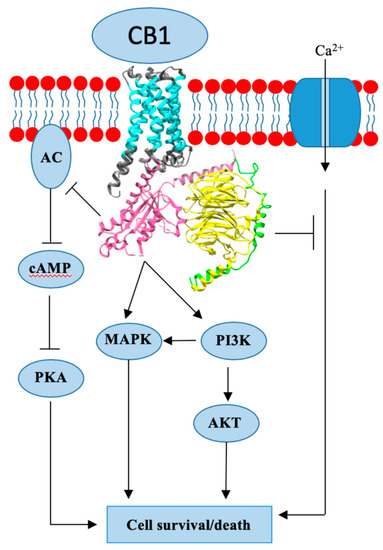
 “Metastatic breast cancer is prevalent worldwide, and one of the most common sites of metastasis are long bones. Of patients with disease, the major symptom is pain, yet current medications fail to adequately result in analgesic efficacy and present major undesirable adverse effects.
 “Radiotherapy combined with chemotherapy is the major treatment modality for human glioblastoma multiforme (GBM). GBMs eventually relapse after treatment and the average survival of GBM patients is less than two years.
 “Patients with non-small cell lung cancer (NSCLC) develop resistance to antitumor agents by mechanisms that involve the epithelial-to-mesenchymal transition (EMT). This necessitates the development of new complementary drugs, e.g.,
  “Novel anticancer medicines, including targeted therapies and immune checkpoint inhibitors, have greatly improved the management of cancers. However, both conventional and new anticancer treatments induce cardiac adverse effects, which remain a critical issue in clinic.