 “Exemestane is one of the aromatase inhibitors (AI) used as first line treatment for estrogen-receptor positive breast cancer in post-menopausal women. Exemestane acts by inhibiting aromatase, the enzyme responsible for the conversion of androgens to estrogens and also by promoting apoptosis of breast cancer cells. Nevertheless, despite its therapeutic success, this AI, after prolonged treatment, can induce acquired resistance, which causes tumor relapse. Therefore, it is important to find new strategies to overcome resistance in order to improve breast cancer treatment.
Considering that the development of resistance is the main reason for endocrine treatment failure, our group decided to explore the ability of three cannabinoids, Δ9-tetrahydrocannabinol (THC), cannabidiol (CBD) and anandamide (AEA), to reverse resistance to exemestane. The THC and CBD are phytocannabinoids derived from the plant Cannabis sativa (marijuana) whereas AEA is an endocannabinoid. For that, it was used LTEDaro cells, a long-term estrogen deprived ER+ breast cancer cell line that mimics resistance to exemestane. These cells were treated with exemestane in combination with two phytocannabinoids, CBD and THC, and the endocannabinoid AEA.
The presence of CB1 and CB2 in LTEDaro cells was confirmed by Western blot analysis and the effects of the combination of cannabinoids with exemestane were evaluated by MTT and LDH assays. Cell morphology was analyzed by Giemsa and Hoechst staining.
Results: Our results demonstrate that all the cannabinoids induce a decrease in viability of exemestane-resistant cells, in a dose- and time-dependent manner, without LDH release. These results indicate that the studied cannabinoids, mainly THC and AEA, revert the resistance to exemestane, probably by inducing apoptosis, as observed in Giemsa/Hoechst stain by the presence of typical morphological features of apoptosis.
Conclusion: This study highlights the efficacy of using cannabinoids as a potential adjuvant treatment to revert resistance to AIs.”
https://www.ncbi.nlm.nih.gov/pubmed/32258721
https://journals.lww.com/pbj/fulltext/2017/09000/The_effects_of_cannabinoids_in.118.aspx

 ‘T-cell acute lymphoblastic leukemia (T-ALL) is a highly heterogeneous malignant hematological disorder arising from T-cell progenitors.
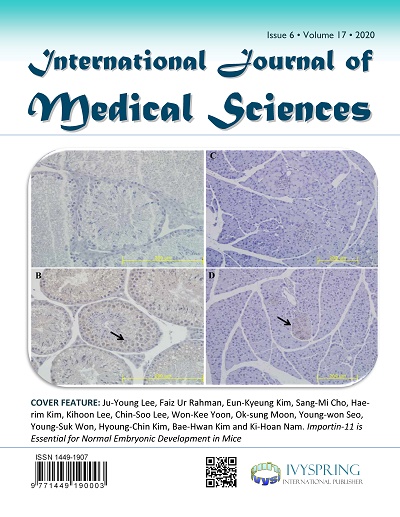 “The inhibitor of DNA binding (Id) proteins are regulators of cell cycle and cell differentiation. Of all Id family proteins, Id1 is mostly linked to tumorigenesis, cellular senescence as well as cell proliferation and survival.
 “The intraperitoneal administration of chemotherapeutics has emerged as a potential route in ovarian cancer treatment. Nanoparticles as carriers for these agents could be interesting by increasing the retention of chemotherapeutics within the peritoneal cavity. Moreover, nanoparticles could be internalised by cancer cells and let the drug release near the biological target, which could increase the anticancer efficacy.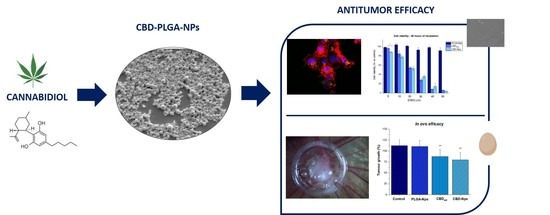
 “The treatment of cancer-induced bone pain (CIBP) has been proven ineffective and relies heavily on opioids, the target of highly visible criticism for their negative side effects.
 “An increasing number of patients are turning to
  “Cannabis has been used to relieve the symptoms of disease for thousands of years. However, social and political biases have limited effective interrogation of the potential benefits of cannabis and polarised public opinion.
 “The pathophysiological relevance of the endocannabinoid system has been widely demonstrated in a variety of diseases including cancer, neurological disorders, and metabolic issues. Therefore, targeting the receptors and the endogenous machinery involved in this system can provide a successful therapeutic outcome.
 “Colorectal cancer (CRC) has a high mortality rate and is one of the most difficult diseases to manage due to tumour resistance and metastasis. The treatment of choice for CRC is reliant on the phase and time of diagnosis. Despite several conventional treatments available to treat CRC (surgical excision, chemo-, radiation- and immune-therapy), resistance is a major challenge, especially if it has metastasized. Additionally, these treatments often cause unwanted adverse side effects and so it remains imperative to investigate, alternative combination therapies.
 “Cannabis sativa produces hundreds of phytocannabinoids and terpenes.