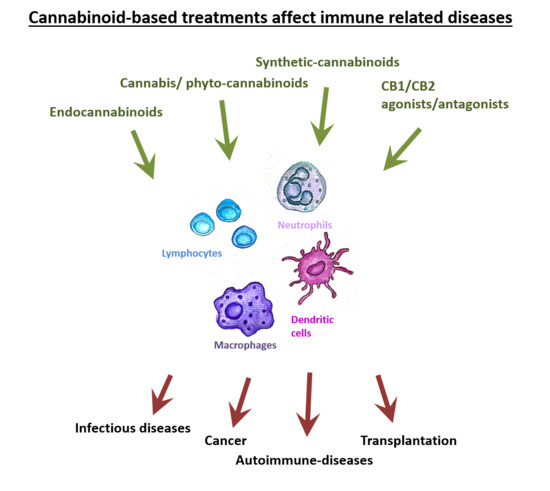
 “Colorectal cancer represents a heavy burden for health systems worldwide, being the third most common cancer worldwide. Despite the breakthroughs in medicine, current chemotherapeutic options continue to have important side effects and may not be effective in preventing disease progression.
Cannabinoids might be substances with possible therapeutic potential for cancer because they can attenuate the side effects of chemotherapy and have antiproliferative and antimetastatic effects.
We aim to determine, through a systematic review of experimental studies performed on animal CRC models, if cannabinoids can reduce the formation of preneoplastic lesions (aberrant crypt foci), number, and volume of neoplastic lesions.
Results: Eight in vivo experimental studies were included in the analysis after the full-text evaluation. Seven studies were azoxymethane (AOM) colorectal cancer models, and four studies were xenograft models. Cannabidiol botanical substance (CBD BS) and rimonabant achieved high aberrant crypt foci (ACF) reduction (86% and 75.4%, respectively). Cannabigerol, O-1602, and URB-602 demonstrated a high capacity for tumor volume reduction. Induction of apoptosis, interaction with cell survival, growth pathways, and angiogenesis inhibition were the mechanisms extracted from the studies that explain cannabinoids’ actions on CRC.
Conclusions: Cannabinoids have incredible potential as antineoplastic agents as experimental models demonstrate that they can reduce tumor volume and ACF formation. It is crucial to conduct more experimental studies to understand the pharmacology of cannabinoids in CRC better.”
https://pubmed.ncbi.nlm.nih.gov/32765628/
“Current literature findings demonstrate that cannabinoids might have potential as antineoplastic agents because they can reduce tumor volume and ACF formation.”
https://www.hindawi.com/journals/ecam/2020/2371527/



 “Melanoma is the fourth most common type of cancer diagnosed in Australians after breast, prostate, and colorectal cancers. While there has been substantial progress in the treatment of cancer in general, malignant melanoma, in particular, is resistant to existing medical therapies requiring an urgent need to develop effective treatments with lesser side effects.
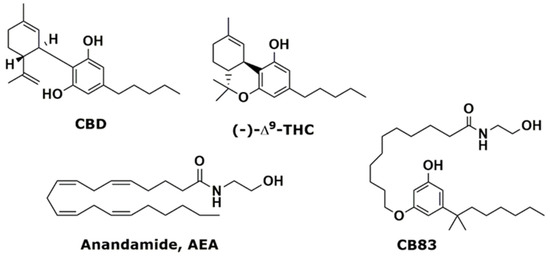
 “In recent years, and even more since its legalization in several jurisdictions, cannabis and the endocannabinoid system have received an increasing amount of interest related to their potential exploitation in clinical settings. Cannabinoids have been suggested and shown to be effective in the treatment of various conditions. In cancer, the endocannabinoid system is altered in numerous types of tumours and can relate to cancer prognosis and disease outcome. Additionally, cannabinoids display anticancer effects in several models by suppressing the proliferation, migration and/or invasion of cancer cells, as well as tumour angiogenesis. However, the therapeutic use of cannabinoids is currently limited to the treatment of symptoms and pain associated with chemotherapy, while their potential use as cytotoxic drugs in chemotherapy still requires validation in patients. Along with cannabinoids, cannabis contains several other compounds that have also been shown to exert anti-tumorigenic actions. The potential anti-cancer effects of cannabinoids, terpenes and flavonoids, present in cannabis, are explored in this literature review.”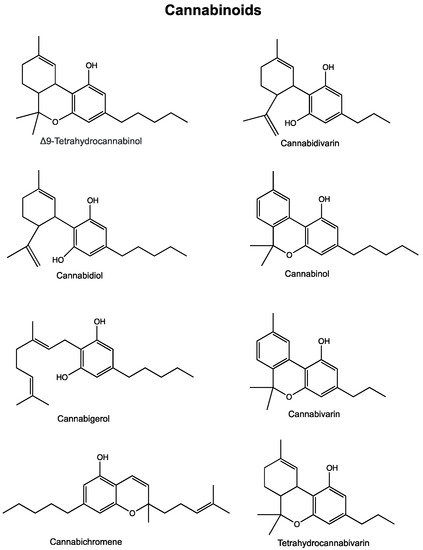
 “In this work, we evaluated, for the first time, the antitumor effect of cannabidiol (CBD) as monotherapy and in combination with conventional chemotherapeutics in ovarian cancer and developed PLGA-microparticles as CBD carriers to optimize its anticancer activity.


 “Astrocytomas, the most prevalent primary brain tumors, can be divided by histology and malignancy levels into four following types: pilocytic astrocytoma (grade I), diffuse fibrillary astrocytoma (grade II), anaplastic astrocytoma (grade III), and glioblastoma multiforme (grade IV). For high grade astrocytomas (grade III and grade IV), blood vessels formation is considered as the most important property.