
 “The prevalence of cancer pain will continue to rise as pain is common among the survivorship and general cancer population. As interest in cannabis and cannabinoids for medicinal use including pain management continues to rise, there is growing need to update and review the current state of evidence for their use. The literature was searched for articles in English with key words cannabis, cannabinoids, and cancer pain. The sources of articles were PubMed, Embase, and open Google search.
Recent findings: In a double-blind randomized placebo-controlled trial including a 3-week treatment period of nabiximol for advanced cancer patients with pain refractory to optimized opiate therapy, improvements in average pain were seen in the intention to treat population (P = 0.0854) and per- protocol population (P = 0.0378).
Summary: To date, preclinical data has demonstrated evidence to suggest promising potential for cancer pain and the urgent need to translate this into clinical practice. Unfortunately, due to limited data, for adults with advanced cancer being treated with opiate therapy, the addition of cannabis or cannabinoids is not currently supported to address cancer pain effectively.”
 “The cannabinoid receptor subtype 2 (CB2R) represents an interesting and new therapeutic target for its involvement in the first steps of neurodegeneration as well as in cancer onset and progression.
 “This study evaluated the synergistic anti-cancer potential of cannabinoid combinations across the MDA-MB-231 and MCF-7 human breast cancer cell lines. Cannabinoids were combined and their synergistic interactions were evaluated using median effect analysis.
 “Providers need to be better equipped to discuss medical cannabis with patients even if they are not willing to prescribe it. The oncology community would be well served to ensure that providers are aware of existing cannabis research and are able to incorporate it into their communications with patients instead of leaving patients to figure out medical cannabis on their own.”
 “∆ 9 -Tetrahydrocannabinol (∆9 -THC), the active phytocannabinoid in cannabis, is virtually an adjunct to the endogenous endocannabinoid signaling system.
 “Pancreatic cancer (PC) is related to lifestyle risks, chronic inflammation, and germline mutations in BRCA1/2, ATM, MLH1, TP53, or CDKN2A. Surgical resection and adjuvant chemotherapy are the main therapeutic strategies but are less effective in patients with high-grade tumors.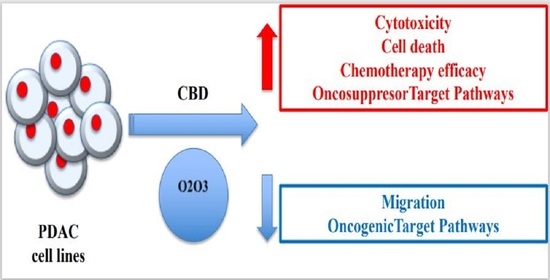


 “Prostate cancer is a major cause of death among men worldwide.
 “Multidrug resistance (MDR) to known chemotherapeutic agents is increasing while the development of new drugs is lacking behind. Combination therapies might increase the development of effective treatment.