“Cannabis (marijuana) is one of the most consumed psychoactive substances in the world. The term marijuana is of Mexican origin. The primary cannabinoids that have been studied to date include cannabidiol and delta-9-tetrahydrocannabinol, which is responsible for most cannabis physical and psychotropic effects. Recently, the endocannabinoid system was discovered, which is made up of receptors, ligands and enzymes that are widely expressed in the brain and its periphery, where they act to maintain balance in several homeostatic processes. Exogenous cannabinoids or naturally-occurring phytocannabinoids interact with the endocannabinoid system. Marijuana must be processed in a laboratory to extract tetrahydrocannabinol and leave cannabidiol, which is the product that can be marketed. Some studies suggest cannabidiol has great potential for therapeutic use as an agent with antiepileptic, analgesic, anxiolytic, antipsychotic, anti-inflammatory and neuroprotective properties; however, the findings on cannabinoids efficacy and cannabis-based medications tolerability-safety for some conditions are inconsistent. More scientific evidence is required in order to generate recommendations on the use of medicinal cannabis.”
Category Archives: Endocannabinoid System
Cannabinoid-mediated Modulation of Oxidative Stress and Early Inflammatory Response after Hypoxia-Ischemia.
“In the process of neonatal encephalopathy, oxidative stress and neuroinflammation have a prominent role after perinatal asphyxia. With the exception of therapeutic hypothermia, no therapeutic interventions are available in the clinical setting to target either the oxidative stress or inflammation, despite the high prevalence of neurological sequelae of this devastating condition.
The endocannabinoid system (ECS), recently recognized as a widespread neuromodulatory system, plays an important role in the development of the central nervous system (CNS).
This study aims to evaluate the potential effect of the cannabinoid (CB) agonist WIN 55,212-2 (WIN) on reactive oxygen species (ROS) and early inflammatory cytokine production after hypoxia-ischemia (HI) in fetal lambs.
Hypoxic-ischemic animals were subjected to 60 min of HI by partial occlusion of the umbilical cord. A group of lambs received a single dose of 0.01 μg/kg WIN, whereas non-asphyctic animals served as controls. WIN reduced the widespread and notorious increase in inflammatory markers tumor necrosis factor (TNF)-α and interleukin (IL)-1β and IL-6 induced by HI, a modulatory effect not observed for oxidative stress.
Our study suggests that treatment with a low dose of WIN can alter the profile of pro-inflammatory cytokines 3 h after HI.”
https://www.ncbi.nlm.nih.gov/pubmed/32074976
https://www.mdpi.com/1422-0067/21/4/1283
“Cannabinoid as a neuroprotective strategy in perinatal hypoxic-ischemic injury.” https://www.ncbi.nlm.nih.gov/pubmed/21788999
The Endocannabinoid System Alleviates Pain in a Murine Model of Cancer-Induced Bone Pain.
“Metastatic breast cancer is prevalent worldwide, and one of the most common sites of metastasis are long bones. Of patients with disease, the major symptom is pain, yet current medications fail to adequately result in analgesic efficacy and present major undesirable adverse effects.
In our study we investigate the potential of a novel monoacylglycerol lipase (MAGL) inhibitor, MJN110, in a murine model of cancer induced bone pain (CIBP). Literature has previously demonstrated that MAGL inhibitors function to increase the endogenous concentrations of 2-arachydonylglycerol, which then activate CB1 and CB2 receptors inhibiting inflammation and pain.
Together, these data support the application for MJN110 as a novel therapeutic for cancer induced bone pain.
SIGNIFICANCE STATEMENT: Current standard of care for metastatic breast cancer pain is opioid-based therapies with adjunctive chemotherapy, which have highly addictive and other deleterious side effects. The need for effective, non-opioid based therapies is essential and harnessing the endogenous cannabinoid system is proving to be a new target to treat various types of pain conditions. We present a novel drug targeting the endogenous cannabinoid system that is effective at reducing pain in a mouse model of metastatic breast cancer to bone.”
https://www.ncbi.nlm.nih.gov/pubmed/32054717
http://jpet.aspetjournals.org/content/early/2020/02/13/jpet.119.262337
Mechanisms of Cannabinoids and Potential Applicability to Skin Diseases.
“The legalisation of cannabis in a growing number of jurisdictions has led to increasing interest in its potential therapeutic effects in a range of disorders, including cutaneous conditions. Cannabinoids have been used as natural medicines for centuries; however, their biological activity in the skin is a new area of study.
Recent data suggest that cannabinoids are involved in neuro-immuno-endocrine modulation of skin functioning, yet their effect on the features of dermatologic conditions is unclear. This article sought to review the mechanisms by which cannabinoids regulate skin functioning through the lens of relevance to treatment of dermatologic diseases looking at the effects of cannabinoids on a range of cellular activities and dermatologic conditions both in vitro and in vivo.
We identified studies demonstrating an inhibitory effect of cannabinoids on skin inflammation, proliferation, fibrosis, pain, and itch-biological mechanisms involved in the pathogenesis of many dermatologic conditions.
Cannabinoids have the potential to expand the therapeutic repertoire of a wide spectrum of skin disorders. Given their widespread unregulated use by the general public, basic and clinical studies are required to elucidate the effectiveness and long-term effects of topical and systemic cannabinoids in cutaneous disorders.”
“The endocannabinoid system of the skin. A potential approach for the treatment of skin disorders.” https://www.ncbi.nlm.nih.gov/pubmed/30138623
Possible therapeutic applications of cannabis in the neuropsychopharmacology field.
“Cannabis use induces a plethora of actions on the CNS via its active chemical ingredients, the so-called phytocannabinoids.
These compounds have been frequently associated with the intoxicating properties of cannabis preparations. However, not all phytocannabinoids are psychotropic, and, irrespective of whether they are psychotropic or not, they have also shown numerous therapeutic properties.
These properties are mostly associated with their ability to modulate the activity of an intercellular communication system, the so-called endocannabinoid system, which is highly active in the CNS and has been found altered in many neurological disorders.
Specifically, this includes the neuropsychopharmacology field, with diseases such as schizophrenia and related psychoses, anxiety-related disorders, mood disorders, addiction, sleep disorders, post-traumatic stress disorder, anorexia nervosa and other feeding-related disorders, dementia, epileptic syndromes, as well as autism, fragile X syndrome and other neurodevelopment-related disorders.
Here, we gather, from a pharmacological and biochemical standpoint, the recent advances in the study of the therapeutic relevance of the endocannabinoid system in the CNS, with especial emphasis on the neuropsychopharmacology field. We also illustrate the efforts that are currently being made to investigate at the clinical level the potential therapeutic benefits derived from elevating or inhibiting endocannabinoid signaling in animal models of neuropsychiatric disorders.”
https://www.ncbi.nlm.nih.gov/pubmed/32057592
https://www.sciencedirect.com/science/article/abs/pii/S0924977X20300365?via%3Dihub
The Epigenetics of the Endocannabinoid System.
“The endocannabinoid system (ES) is a cell-signalling system widely distributed in biological tissues that includes endogenous ligands, receptors, and biosynthetic and hydrolysing machineries.
The impairment of the ES has been associated to several pathological conditions like behavioural, neurological, or metabolic disorders and infertility, suggesting that the modulation of this system may be critical for the maintenance of health status and disease treatment.
Lifestyle and environmental factors can exert long-term effects on gene expression without any change in the nucleotide sequence of DNA, affecting health maintenance and influencing both disease load and resistance. This potentially reversible “epigenetic” modulation of gene expression occurs through the chemical modification of DNA and histone protein tails or the specific production of regulatory non-coding RNA (ncRNA).
Recent findings demonstrate the epigenetic modulation of the ES in biological tissues; in the same way, endocannabinoids, phytocannabinoids, and cannabinoid receptor agonists and antagonists induce widespread or gene-specific epigenetic changes with the possibility of trans-generational epigenetic inheritance in the offspring explained by the transmission of deregulated epigenetic marks in the gametes.
Therefore, this review provides an update on the epigenetics of the ES, with particular attention on the emerging role in reproduction and fertility.”
Targeting GPCRs Against Cardiotoxicity Induced by Anticancer Treatments.
“Novel anticancer medicines, including targeted therapies and immune checkpoint inhibitors, have greatly improved the management of cancers. However, both conventional and new anticancer treatments induce cardiac adverse effects, which remain a critical issue in clinic.
Cardiotoxicity induced by anti-cancer treatments compromise vasospastic and thromboembolic ischemia, dysrhythmia, hypertension, myocarditis, and cardiac dysfunction that can result in heart failure. Importantly, none of the strategies to prevent cardiotoxicity from anticancer therapies is completely safe and satisfactory.
Certain clinically used cardioprotective drugs can even contribute to cancer induction. Since G protein coupled receptors (GPCRs) are target of forty percent of clinically used drugs, here we discuss the newly identified cardioprotective agents that bind GPCRs of adrenalin, adenosine, melatonin, ghrelin, galanin, apelin, prokineticin and cannabidiol.
We hope to provoke further drug development studies considering these GPCRs as potential targets to be translated to treatment of human heart failure induced by anticancer drugs.”
https://www.ncbi.nlm.nih.gov/pubmed/32039239
https://www.frontiersin.org/articles/10.3389/fcvm.2019.00194/full
“Cannabidiol Protects against Doxorubicin-Induced Cardiomyopathy by Modulating Mitochondrial Function and Biogenesis.” https://www.ncbi.nlm.nih.gov/pubmed/25569804
Dietary intake of polyunsaturated fatty acids alleviates cognition deficits and depression-like behaviour via cannabinoid system in sleep deprivation rats.
“Sleep deprivation (SD) is a common feature in modern society. Prolonged sleep deprivation causes cognition deficits and depression-like behavior in the model of animal experiments.
Endocannabinoid system are key modulators of synaptic function, which were related to memory and mood. Although the underlying mechanism remains unknown, several studies indicated the benefits of polyunsaturated fatty acids (PUFAs, linolenic acid, 39.7%; linoleic acid, 28%; and oleic acid, 22%) on brain function through the endocannabinoid system.
The present study aimed to evaluate the influence of dietary PUFAs on cognition deficits induced by sleep deprivation in Sprague Dawley rats.
The results revealed that SD led to the disorder of cognition and mood which was improved by the supplement of PUFAs.
SD significantly increased the mEPSC frequency, and decreased the protein level of cannabinoid type-1 receptors (CB1R). These changes were restored by supplement of PUFAs, which showed a similar level to the control group. Behaviour tests showed that the positive effects on repairing cognition and anxiety disorders were almost completely abolished when the CB1R receptor antagonist rimonabant was applied to the SD rats.
These findings indicated that PUFAs are a factor regulating cognition deficits and depression induced by SD via cannabinoid type-1 receptors.”
https://www.ncbi.nlm.nih.gov/pubmed/32035867
“PUFAs reduced cognition deficits and depression-like behaviours of sleep deprivation rats in the behaviour tests.”
https://www.sciencedirect.com/science/article/pii/S0166432819317218?via%3Dihub
“Hempseed oil is over 80% in polyunsaturated fatty acids (PUFAs), and is an exceptionally rich source of the two essential fatty acids (EFAs) linoleic acid (18:2 omega-6) and alpha-linolenic acid (18:3 omega-3). The omega-6 to omega-3 ratio (n6/n3) in #hempseed oil is normally between 2:1 and 3:1, which is considered to be optimal for human health.”
https://www.researchgate.net/publication/226272227_Hempseed_as_a_nutritional_resource_An_overview
Cannabinoid Signaling in Glioma Cells.
“Cannabinoids are a group of structurally heterogeneous but pharmacologically related compounds, including plant-derived cannabinoids, synthetic substances and endogenous cannabinoids, such as anandamide and 2-arachidonoylglycerol.
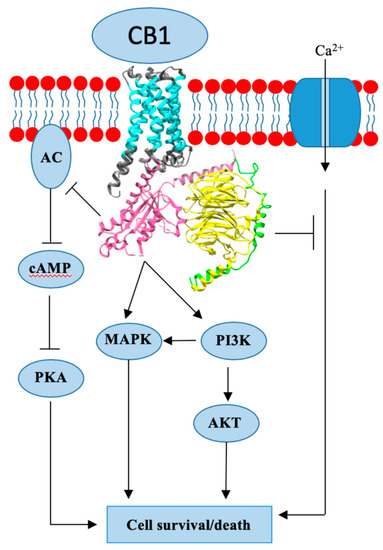
Cannabinoids elicit a wide range of central and peripheral effects mostly mediated through cannabinoid receptors. There are two types of specific Gi/o-protein-coupled receptors cloned so far, called CB1 and CB2, although an existence of additional cannabinoid-binding receptors has been suggested. CB1 and CB2 differ in their predicted amino acid sequence, tissue distribution, physiological role and signaling mechanisms.
Significant alterations of a balance in the cannabinoid system between the levels of endogenous ligands and their receptors occur during malignant transformation in various types of cancer, including gliomas.
Cannabinoids exert anti-proliferative action in tumor cells.
Induction of cell death by cannabinoid treatment relies on the generation of a pro-apoptotic sphingolipid ceramide and disruption of signaling pathways crucial for regulation of cellular proliferation, differentiation or apoptosis. Increased ceramide levels lead also to ER-stress and autophagy in drug-treated glioblastoma cells.
Beyond blocking of tumor cells proliferation cannabinoids inhibit invasiveness, angiogenesis and the stem cell-like properties of glioma cells, showing profound activity in the complex tumor microenvironment. Advances in translational research on cannabinoid signaling led to clinical investigations on the use of cannabinoids in treatments of glioblastomas.”
https://www.ncbi.nlm.nih.gov/pubmed/32034716
https://link.springer.com/chapter/10.1007%2F978-3-030-30651-9_11
“Cannabinoids exert anti-proliferative action in tumor cells.” https://www.ncbi.nlm.nih.gov/pubmed/22879071
“A glioma is a primary brain tumor that originates from the supportive cells of the brain, called glial cells.” http://neurosurgery.ucla.edu/body.cfm?id=159
“Remarkably, cannabinoids kill glioma cells selectively and can protect non-transformed glial cells from death.” http://www.ncbi.nlm.nih.gov/pubmed/15275820
Endocannabinoids as Therapeutic Targets.
“Most of the drugs of abuse affect the brain by interacting with naturally expressed molecular receptors. Marihuana affects a series of receptors including cannabinoid receptor 1 (CB1R) and CB2R, among others. Endogenous molecules with cannabinoid activity interact with these receptors naturally. Receptors, ligands, synthesizing and degrading enzymes, as well as transporters, have been described.
This endocannabinoid system modulates behaviors and physiological processes, i.e. food intake, the sleep-waking cycle, learning and memory, motivation, and pain perception, among others. The rather broad distribution of endocannabinoids in the brain explains the different effects marihuana induces in its users. However, this very same anatomical and physiological distribution makes this system a useful target for therapeutic endeavors.
In this review, we briefly discuss the potential of small molecules that target the endocannabinoids as therapeutic tools to improve behaviors and treat illnesses. We believe that under medical supervision, endocannabinoid targets offer new advantages for patients for controlling multiple medical disorders.”
https://www.ncbi.nlm.nih.gov/pubmed/32028095
https://www.sciencedirect.com/science/article/abs/pii/S0188440919304746?via%3Dihub