The curative effect of a cannabinoid 2 receptor agonist on functional failure and disruptive inflammation caused by intestinal ischemia and reperfusion.

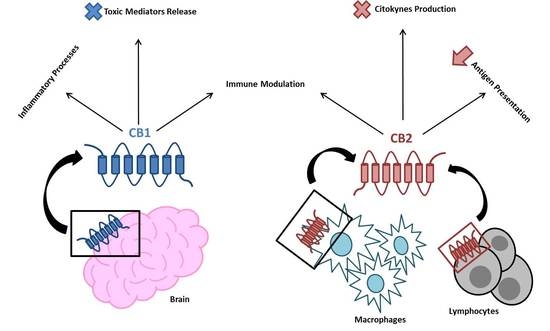
Publication cover image“As we learn more about the endocannabinoid system (ECS), our understanding and grasp of the system’s ubiquitous presence is expanding. In light of this, there is also a growing body of evidence for the therapeutic potential of ECS modulation in a range of clinical situations. Strategies include for example manipulation of the Cannabinoid 1 (CB1) receptor, mostly in terms of CNS processes, and activation of the Cannabinoid 2 (CB2) receptor as anti-inflammatory target.”

https://www.ncbi.nlm.nih.gov/pubmed/31774568

https://onlinelibrary.wiley.com/doi/abs/10.1111/fcp.12524

Alcohol Binge-Induced Cardiovascular Dysfunction Involves Endocannabinoid-CB1-R Signaling.

 JACC: Basic to Translational Science“Excessive binge alcohol drinking may adversely affect cardiovascular function. In this study we characterize the detailed hemodynamic effects of an acute alcohol binge in mice using multiple approaches and investigate the role of the endocannabinoid-cannabinoid 1 receptor (CB1-R) signaling in these effects. Acute alcohol binge was associated with elevated levels of cardiac endocannabinoid anandamide and profound cardiovascular dysfunction lasting for several hours and redistribution of circulation. These changes were attenuated by CB1-R antagonist or in CB1-R knockout mice. Our results suggest that a single alcohol binge has profound effects on the cardiovascular system, which involve endocannabinoid-CB1-R signaling.”

https://www.ncbi.nlm.nih.gov/pubmed/31768478

“Alcohol is one of the most frequently used intoxicants in the United States. Binge alcohol drinking is a major contributor of emergency department visits. Binge alcohol drinking may adversely affect cardiovascular function. Here we show that acute alcohol intoxication is associated with elevated levels of cardiac endocannabinoid anandamide and profound cardiovascular dysfunction and blood redistribution lasting for several hours. The adverse cardiovascular effects of acute alcohol intoxication are attenuated by CB1-R antagonist or in CB1-R knockout mice. A single alcohol binge has profound effect on the cardiovascular system, which involves endocannabinoid-CB1-R signaling.”

https://www.sciencedirect.com/science/article/pii/S2452302X19301755?via%3Dihub

Cannabinoid-2 receptor activation ameliorates hepatorenal syndrome.

Free Radical Biology and Medicine“Hepatorenal syndrome (HRS) is a life-threatening complication of end-stage liver disease characterized by the rapid decline of kidney function. Herein, we explored the therapeutic potential of targeting the cannabinoid 2 receptor (CB2-R) utilizing a commonly used mouse model of liver fibrosis and hepatorenal syndrome (HRS), induced by bile duct ligation (BDL).

KEY RESULTS:

We found that liver injury triggered marked inflammation and oxidative stress also in the kidneys of BDL-operated mice. We detected pronounced histopathological alterations with tubular injury paralleled with increased inflammation, oxidative/nitrative stress and fibrotic remodeling both in hepatic and renal tissues as well as endothelial activation and markedly impaired renal microcirculation. This was accompanied by increased CB2-R expression in both liver and the kidney tissues of diseased animals. A selective CB2-R agonist, HU-910, markedly decreased numerous markers of inflammation, oxidative stress and fibrosis both in the liver and in the kidneys. HU-910 also attenuated markers of kidney injury and improved the impaired renal microcirculation in BDL-operated mice.

CONCLUSIONS:

Our results suggest that oxidative stress, inflammation and microvascular dysfunction are key events in the pathogenesis of BDL-associated renal failure. Furthermore, we demonstrate that targeting the CB2-R by selective agonists may represent a promising new avenue to treat HRS by attenuating tissue and vascular inflammation, oxidative stress, fibrosis and consequent microcirculatory dysfunction in the kidneys.”

https://www.ncbi.nlm.nih.gov/pubmed/31770583

“Bile duct ligation (BDL) causes hepatorenal syndrome (HRS). Oxidative damage/inflammation drives liver and kidney injury following BDL. Cannabinoid-2 receptor (CB2-R) activation attenuates hepatic damage in BDL. CB2-R activation mitigates the renal inflammation and oxidative damage in BDL. CB2-R activation attenuates renal microcirculatory dysfunction in BDL.”

Image 1

The ameliorating effect of cannabinoid type 2 receptor activation on brain, lung, liver and heart damage in cecal ligation and puncture-induced sepsis model in rats.

International Immunopharmacology“Uncontrolled infection and increased inflammatory mediators might cause systemic inflammatory response. It is already known that Cannabinoid Type 2 (CB2) receptors, which are commonly expressed in immune cells and in many other tissues, have an effect on the regulation of immune response.

In the present study of ours, the effects of CB2 receptor agonist JWH-133 was investigated on cecal ligation and puncture (CLP)-induced polymicrobial sepsis model in rats.

The JWH-133 treatment decreased the histopathological damage in brain, heart, lung, and liver and reduced the caspase-3, p-NF-κB, TNF-α, IL-1β, IL-6 levels in these tissues. In addition to this, JWH-133 treatment also decreased the serum TNF-α, IL-1β, IL-6 levels, which were increased due to CLP, and increased the anti-inflammatory cytokine IL-10 levels.

In the present study, it was determined that the CB2 receptor agonist JWH-133 decreases the CLP-induced inflammation, and reduces the damage in brain, lung, liver and heart.

Our findings show the therapeutic potential of the activation of CB2 receptors with JWH-133 in sepsis.”

https://www.ncbi.nlm.nih.gov/pubmed/31767546

“CB2 receptors are expressed in many tissues including immune cells. Activation of CB2 receptors has been shown to have anti-inflammatory effect.”

https://www.sciencedirect.com/science/article/pii/S1567576919318351?via%3Dihub

Experimental Cannabinoid 2 Receptor Activation by Phyto-Derived and Synthetic Cannabinoid Ligands in LPS-Induced Interstitial Cystitis in Mice.

molecules-logo“Interstitial cystitis (IC) is a chronic bladder disorder with unclear etiology.

The endocannabinoid system has been identified as a key regulator of immune function, with experimental evidence for the involvement of cannabinoid receptors in bladder inflammation.

This study used intravital microscopy (IVM) and behavioral testing in lipopolysaccharide-induced IC, to investigate the anti-inflammatory analgesic effects of a natural dietary sesquiterpenoid, beta-caryophyllene (BCP), which is present in cannabis among other plants, and has reported agonist actions at the cannabinoid 2 receptor (CB2R).

BCP’s anti-inflammatory actions were compared to the synthetic CB2R-selective cannabinoid, HU308, and to an FDA-approved clinical treatment (dimethyl sulfoxide: DMSO). IVM data revealed that intravesical instillation of BCP and/or HU308 significantly reduces the number of adhering leukocytes in submucosal bladder venules and improves bladder capillary perfusion.

The effects of BCP were found to be comparable to that of the selective CB2R synthetic cannabinoid, HU308, and superior to intravesical DMSO treatment. Oral treatment with BCP was also able to reduce bladder inflammation and significantly reduced mechanical allodynia in experimental IC.

Based on our findings, we believe that CB2R activation may represent a viable therapeutic target for IC, and that drugs that activate CB2R, such as the generally regarded as safe (GRAS) dietary sesquiterpenoid, BCP, may serve as an adjunct and/or alternative treatment option for alleviating symptoms of inflammation and pain in the management of IC.”

https://www.ncbi.nlm.nih.gov/pubmed/31766439

https://www.mdpi.com/1420-3049/24/23/4239

“β-caryophyllene (BCP) is a common constitute of the essential oils of numerous spice, food plants and major component in Cannabis.”   http://www.ncbi.nlm.nih.gov/pubmed/23138934

“Beta-caryophyllene is a dietary cannabinoid.”   https://www.ncbi.nlm.nih.gov/pubmed/18574142

Reduced cannabinoid 2 receptor activity increases susceptibility to induced seizures in mice.

Publication cover image“The endocannabinoid system (ECS) is comprised of cannabinoid receptors 1 and 2 (CB1R and CB2R), endogenous ligands, and regulatory enzymes, and serves to regulate several important physiological functions throughout the brain and body.

Recent evidence suggests that the ECS may be a promising target for the treatment of epilepsy, including epilepsy subtypes that arise from mutations in the voltage-gated sodium channel SCN1A.

The objective of this study was to explore the effects of modulating CB2R activity on seizure susceptibility.

Our results demonstrate that reduced CB2R activity is associated with increased seizure susceptibility. CB2Rs might therefore provide a therapeutic target for the treatment of some forms of epilepsy.”

https://www.ncbi.nlm.nih.gov/pubmed/31758544

https://onlinelibrary.wiley.com/doi/abs/10.1111/epi.16388

Association between cannabis and the eyelids: A comprehensive review.

Publication cover image“Cannabis is the most consumed illicit drug worldwide. As more countries consider bills that would legalize adult use of cannabis, health care providers, including eye care professionals (ophthalmologists, optometrists), will need to recognize ocular effects of cannabis consumption in patients.

There are only 20 studies on the eyelid effects of cannabis usage as a medical treatment or a recreational drug.

These include: ptosis induction, an “eyelid tremor” appearance and blepharospasm attenuation.

Six articles describe how adequately dosed cannabis regimens could be promising medical treatments for blepharospasm induced by psychogenic factors.

The exact mechanism of cannabinoids connecting cannabis to the eyelids is unclear.

Further studies should be conducted to better understand the cannabinoid system in relation to the eyelid and eventually develop new, effective and safe therapeutic targets derived from cannabis.”

https://www.ncbi.nlm.nih.gov/pubmed/31747112

https://onlinelibrary.wiley.com/doi/abs/10.1111/ceo.13687

Cannabinoids and the endocannabinoid system in anxiety, depression, and dysregulation of emotion in humans.

Image result for ovid journal“This review is to summarize most recent evidence published in the last 18 months on medical and recreational use of cannabis and cannabinoids in relation to anxiety, depression (unipolar and bipolar), and dysregulation of emotions as part of posttraumatic stress disorders (PTSD) and emotionally instable personality disorders.

It also covers the investigation of endocannabinoids as potential biomarkers in these conditions. This is important with increasing medicinal use of cannabinoids and growing social tolerance towards recreational cannabis use.

RECENT FINDINGS:

There is some recent evidence suggesting cannabinoids, cannabidiol or cannabidiol-enriched cannabis preparations have anxiolytic properties. In addition, depression may be worsened by cannabis use, however, randomized controlled trials (RCT) are lacking.

New evidence also suggests that cannabidiol or cannabidiol-enriched cannabis use for PTSD and emotion regulation can induce hyporesponse to fear and stress. Further, several lines of evidence point to the endocannabinoid system as a key player in some of the reviewed disorders, in particular anxiety and PTSD.

SUMMARY:

The most recent evidence for a therapeutic use of cannabinoids in the reviewed conditions is weak and lacking well designed RCTs. However, there is some indication of the role of the endocannabinoid system in these conditions that warrant further studies.”

https://www.ncbi.nlm.nih.gov/pubmed/31714262

https://insights.ovid.com/crossref?an=00001504-900000000-99165

Cannabinoid receptor 2 activation decreases severity of cyclophosphamide-induced cystitis via regulating autophagy.

Publication cover image“Cannabinoids have been shown to exert analgesic and anti-inflammatory effects, and the effects of cannabinoids are mediated primarily by cannabinoid receptors 1 and 2 (CB1 and CB2).

The objective of this study was to determine efficacy and mechanism of CB2 activation on cyclophosphamide (CYP)-induced cystitis in vivo.

CONCLUSIONS:

Activation of CB2 decreased severity of CYP-induced cystitis and ameliorated bladder inflammation. CB2 activation is protective in cystitis through the activation of autophagy and AMPK-mTOR pathway may be involved in the initiation of autophagy.”

https://www.ncbi.nlm.nih.gov/pubmed/31729056

https://onlinelibrary.wiley.com/doi/abs/10.1002/nau.24205

Δ9-THC and related cannabinoids suppress substance P- induced neurokinin NK1-receptor-mediated vomiting via activation of cannabinoid CB1 receptor.

European Journal of Pharmacology

“Δ9-THC suppresses cisplatin-induced vomiting through activation of cannabinoid CB1 receptors.

Cisplatin-evoked emesis is predominantly due to release of serotonin and substance P (SP) in the gut and the brainstem which subsequently stimulate their corresponding 5-HT3-and neurokinin NK1-receptors to induce vomiting. Δ9-THC can inhibit vomiting caused either by the serotonin precursor 5-HTP, or the 5-HT3 receptor selective agonist, 2-methyserotonin.

In the current study, we explored whether Δ9-THC and related CB1/CB2 receptor agonists (WIN55,212-2 and CP55,940) inhibit vomiting evoked by SP (50 mg/kg, i.p.) or the NK1 receptor selective agonist GR73632 (5 mg/kg, i.p.). Behavioral methods were employed to determine the antiemetic efficacy of cannabinoids in least shrews.

Our results showed that administration of varying doses of Δ9-THC (i.p. or s.c.), WIN55,212-2 (i.p.), or CP55,940 (i.p.) caused significant suppression of SP-evoked vomiting in a dose-dependent manner. When tested against GR73632, Δ9-THC also dose-dependently reduced the evoked emesis.

The antiemetic effect of Δ9-THC against SP-induced vomiting was prevented by low non-emetic doses of the CB1 receptor inverse-agonist/antagonist SR141716A (<10 mg/kg). We also found that the NK1 receptor antagonist netupitant can significantly suppress vomiting caused by a large emetic dose of SR141716A (20 mg/kg).

In sum, Δ9-THC and related cannabinoids suppress vomiting evoked by the nonselective (SP) and selective (GR73632) neurokinin NK1 receptor agonists via stimulation of cannabinoid CB1 receptors.”

https://www.ncbi.nlm.nih.gov/pubmed/31738934

https://www.sciencedirect.com/science/article/pii/S0014299919307587?via%3Dihub