
“Like many mind-altering plants, cannabis has been part of spiritual practices for thousands of years. It has deep roots in Hinduism, Islam, Rastafarianism, and indigenous traditions in Asia, Africa, and elsewhere. Yet almost no attention has been given to how contemporary adults employ it spiritually. A sample of 1087 participants (mean age = 38.9) completed an online survey assessing their use of cannabis and other substances, as well as spiritual and psychological characteristics. Spiritual benefit from cannabis was reported by 66.1% of the sample, and 5.5% reported it had sometimes been a spiritual hindrance. A MANOVA showed that those who reported spiritual benefit differed significantly from those who did not on several outcome variables, and a post hoc descriptive discriminant analysis revealed that expansiveness motivation, non-theistic daily spiritual experience, meditation frequency, and two mindfulness facets contributed most to differentiating the two groups. The majority of the sample (63%) was free of cannabis use disorder. Compared to disordered groups, the non-disordered group was significantly older and scored lower on experiential avoidance, psychological distress, and several motives for use. Results suggest that spiritual motives for cannabis use may be widespread. Implications for future research on spiritual use of cannabis are discussed.”
https://www.tandfonline.com/doi/abs/10.1080/02791072.2021.1941443?journalCode=ujpd20


 “Recent cannabis exposure has been associated with lower rates of neurocognitive impairment in people with HIV (PWH). Cannabis’s anti-inflammatory properties may underlie this relationship by reducing chronic neuroinflammation in PWH.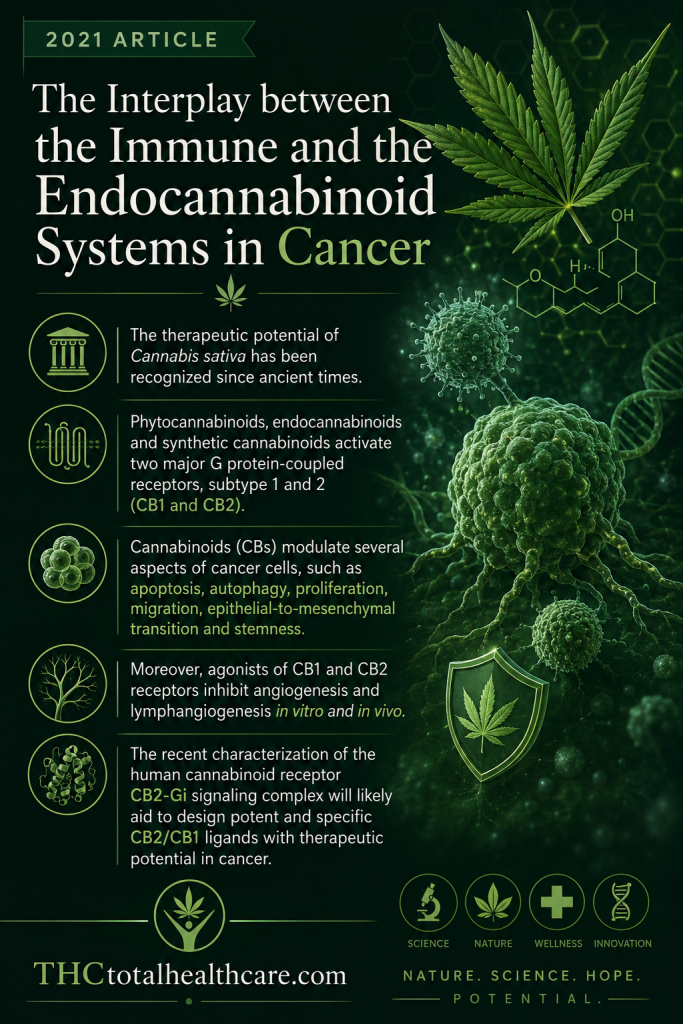
 “The therapeutic potential of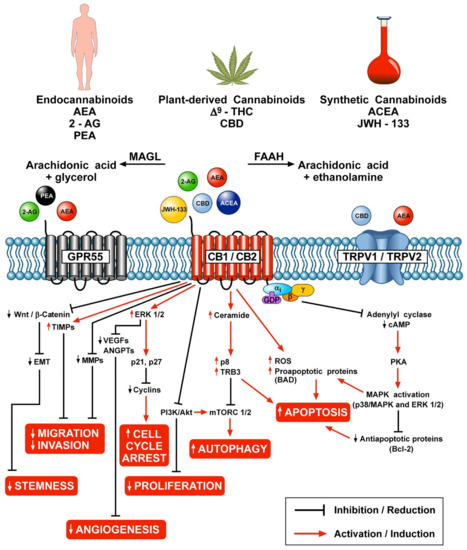
 “Cannabinoids, including delta-8- and delta-9-tetrahydrocannabinol (THC) have a palliative care impact and may therefore be beneficial against cancer.
  “Background:
  “Introduction:
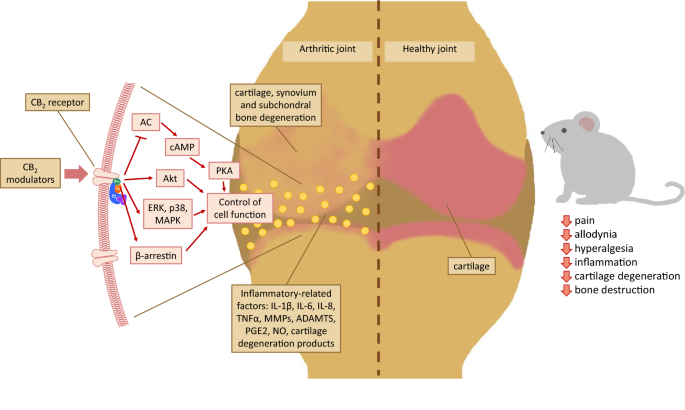 “Over the last several decades, the percentage of patients suffering from different forms of arthritis has increased due to the ageing population and the increasing risk of civilization diseases, e.g. obesity, which contributes to arthritis development. Osteoarthritis and rheumatoid arthritis are estimated to affect 50-60% of people over 65 years old and cause serious health and economic problems. Currently, therapeutic strategies are limited and focus mainly on pain attenuation and maintaining joint functionality. First-line therapies are nonsteroidal anti-inflammatory drugs; in more advanced stages, stronger analgesics, such as opioids, are required, and in the most severe cases, joint arthroplasty is the only option to ensure joint mobility.
  “Venous Leg Ulcers are highly prevalent lower limb integumentary wounds that remain challenging to heal despite the use of evidence-based compression therapies. A multitude of adjuvant treatments have been studied but none have demonstrated enough efficacy to gain adoption into treatment guidelines.
  “Cannabinoids such as ▵-9-THC and CBD can downregulate the immune response by modulating the endocannabinoid system. This modulation is relevant for the treatment of prevalent autoimmune diseases (ADs), such as multiple sclerosis (MS), systemic lupus erythematosus (SLE), diabetes mellitus type 1 (DMT1), and rheumatoid arthritis (RA). These conditions require new therapeutic options with fewer side effects for the control of the autoimmune response. Objective: to conduct a literature review of preclinical scientific evidence that supports further clinical investigations for the use of cannabinoids (natural or synthetic) as potential immunomodulators of the immune response in ADs.