

“Objective: Tourette’s syndrome (TS) is a neurodevelopmental disorder characterized by vocal and motor tics and other comorbidities. Clinical recommendations for the use of medical cannabis are established, yet further guidance is needed. The aim of this study was to describe the experience of patients with TS with medical cannabis.
Materials and Methods: TS patients were recruited from a registry of patients (“Tikun Olam” company). Questionnaires were answered before and after 6 months of treatment. Patients were divided into two groups: (A) patients who responded and (B) patients who did not respond to the follow-up questionnaire. In group A, an analysis was made to evaluate the presence and frequency of motor and vocal tics. The patients’ general mood, employment status, quality of life, and comorbidities were also included in the analysis.
Results: Seventy patients were identified. The tetrahydrocannabinol and cannabidiol mean daily dose was 123 and 50.5 mg, respectively. In group A, a statistically significant improvement was identified in quality of life (p<0.005), employment status (p=0.027), and in the reduction of the number of medications (p<0.005). Sixty-seven percent and 89% of patients with obsessive-compulsive disorder and anxiety comorbidities, respectively, reported an improvement. No statistically significant improvement was identified in motor tics (p=0.375), vocal tics (p>0.999), tics frequency (p=0.062), or general mood (p=0.129). The most frequent adverse effects were dizziness (n=4) and increased appetite (n=3).
Conclusion: Subjective reports from TS patients suggest that medical cannabis may improve their quality of life and comorbidities. More studies are needed to evaluate the efficacy and safety of medical cannabis.”


 “Cannabis sativa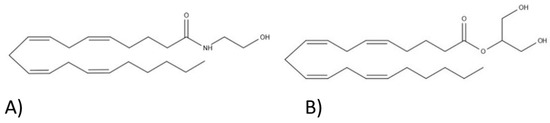
 “The use of medical cannabis in children is rapidly growing.
 “Gilles de la Tourette syndrome (GTS) is a neuropsychiatric disorder that is characterized by motor and vocal tics and psychiatric comorbidities, including attention deficit/hyperactivity disorder (ADHD) and obsessive-compulsive behavior/disorder (OCB/OCD). From anecdotal reports and preliminary controlled studies, it is suggested that cannabis-based medicine (CBM) may improve tics and comorbidities in adults with GTS. This study was designed to further investigate efficacy and safety of CBM in GTS and specifically compare effects of different CBM.

 “The chronic use of drugs that reduce the dopaminergic neurotransmission can cause a hyperkinetic movement disorder called tardive dyskinesia (TD). The pathophysiology of this disorder is not entirely understood but could involve oxidative and neuroinflammatory mechanisms.