
 “Cannabis use induces a plethora of actions on the CNS via its active chemical ingredients, the so-called phytocannabinoids.
These compounds have been frequently associated with the intoxicating properties of cannabis preparations. However, not all phytocannabinoids are psychotropic, and, irrespective of whether they are psychotropic or not, they have also shown numerous therapeutic properties.
These properties are mostly associated with their ability to modulate the activity of an intercellular communication system, the so-called endocannabinoid system, which is highly active in the CNS and has been found altered in many neurological disorders.
Specifically, this includes the neuropsychopharmacology field, with diseases such as schizophrenia and related psychoses, anxiety-related disorders, mood disorders, addiction, sleep disorders, post-traumatic stress disorder, anorexia nervosa and other feeding-related disorders, dementia, epileptic syndromes, as well as autism, fragile X syndrome and other neurodevelopment-related disorders.
Here, we gather, from a pharmacological and biochemical standpoint, the recent advances in the study of the therapeutic relevance of the endocannabinoid system in the CNS, with especial emphasis on the neuropsychopharmacology field. We also illustrate the efforts that are currently being made to investigate at the clinical level the potential therapeutic benefits derived from elevating or inhibiting endocannabinoid signaling in animal models of neuropsychiatric disorders.”
https://www.ncbi.nlm.nih.gov/pubmed/32057592
https://www.sciencedirect.com/science/article/abs/pii/S0924977X20300365?via%3Dihub
 “Radiotherapy combined with chemotherapy is the major treatment modality for human glioblastoma multiforme (GBM). GBMs eventually relapse after treatment and the average survival of GBM patients is less than two years.
 “Highly purified
  “In this report, we present a case of a 16,9-year-old patient with multiple substance use disorder (
 “Patients with non-small cell lung cancer (NSCLC) develop resistance to antitumor agents by mechanisms that involve the epithelial-to-mesenchymal transition (EMT). This necessitates the development of new complementary drugs, e.g.,
  “The endocannabinoid system (ES) is a cell-signalling system widely distributed in biological tissues that includes endogenous ligands, receptors, and biosynthetic and hydrolysing machineries.
 “Plant phytochemicals have potential decontaminating properties, however, their role in the amelioration of hydrophobic water filtration membranes have not been elucidated yet.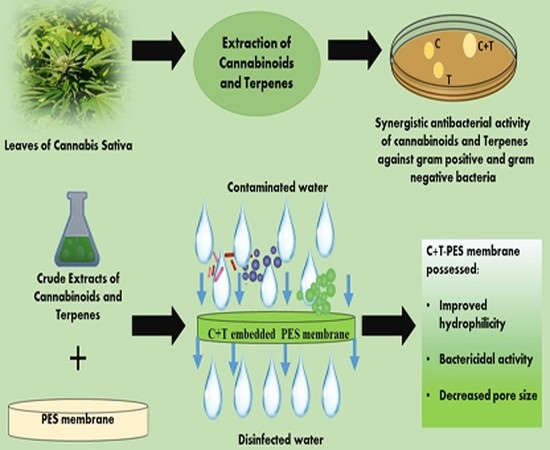
 “Novel anticancer medicines, including targeted therapies and immune checkpoint inhibitors, have greatly improved the management of cancers. However, both conventional and new anticancer treatments induce cardiac adverse effects, which remain a critical issue in clinic.
 “Dravet syndrome (DS) is one of the most severe forms of drug-resistant epilepsy and available interventions fail to control seizures in most patients.
 “Sleep deprivation (SD) is a common feature in modern society. Prolonged sleep deprivation causes cognition deficits and depression-like behavior in the model of animal experiments.