The Endocannabinoid System and Synthetic Cannabinoids in Preclinical Models of Seizure and Epilepsy.

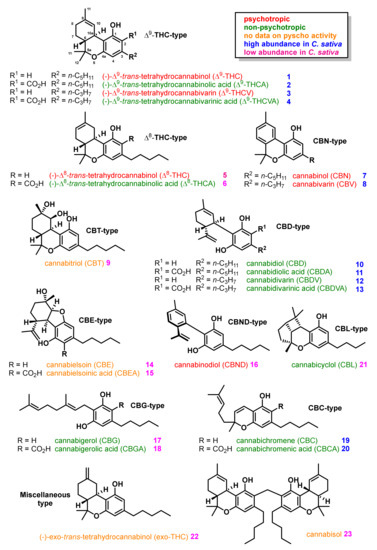
 Related image“Cannabinoids are compounds that are structurally and/or functionally related to the primary psychoactive constituent of Cannabis sativa, [INCREMENT]-tetrahydrocannabinol (THC). Cannabinoids can be divided into three broad categories: endogenous cannabinoids, plant-derived cannabinoids, and synthetic cannabinoids (SCs).

Recently, there has been an unprecedented surge of interest into the pharmacological and medicinal properties of cannabinoids for the treatment of epilepsies. This surge has been stimulated by an ongoing shift in societal opinions about cannabinoid-based medicines and evidence that cannabidiol, a nonintoxicating plant cannabinoid, has demonstrable anticonvulsant activity in children with treatment-refractory epilepsy.

The major receptors of the endogenous cannabinoid system (ECS)-the type 1 and 2 cannabinoid receptors (CB1R, CB2R)-have critical roles in the modulation of neurotransmitter release and inflammation, respectively; so, it is not surprising therefore that the ECS is being considered as a target for the treatment of epilepsy.

SCs were developed as potential new drug candidates and tool compounds for studying the ECS. Beyond the plant cannabinoids, an extensive research effort is underway to determine whether SCs that directly target CB1R, CB2R, or the enzymes that breakdown endogenous cannabinoids have anticonvulsant effects in preclinical rodent models of epilepsy and seizure.

This research demonstrates that many SCs do reduce seizure severity in rodent models and may have both positive and negative pharmacodynamic and pharmacokinetic interactions with clinically used antiepilepsy drugs. Here, we provide a comprehensive review of the preclinical evidence for and against SC modulation of seizure and discuss the important questions that need to be addressed in future studies.”

https://www.ncbi.nlm.nih.gov/pubmed/31895186

https://insights.ovid.com/crossref?an=00004691-202001000-00004

Cannabis for Pediatric Epilepsy.

 Related image“Epilepsy is a chronic disease characterized by recurrent unprovoked seizures. Up to 30% of children with epilepsy will be refractory to standard anticonvulsant therapy, and those with epileptic encephalopathy can be particularly challenging to treat.

The endocannabinoid system can modulate the physiologic processes underlying epileptogenesis. The anticonvulsant properties of several cannabinoids, namely Δ-tetrahydrocannabinol and cannabidiol (CBD), have been demonstrated in both in vitro and in vivo studies.

Cannabis-based therapies have been used for millennia to treat a variety of diseases including epilepsy. Several studies have shown that CBD, both in isolation as a pharmaceutical-grade preparation or as part of a CBD-enriched cannabis herbal extract, is beneficial in decreasing seizure frequency in children with treatment-resistant epilepsy.

Overall, cannabis herbal extracts appear to provide greater efficacy in decreasing seizure frequency, but the studies assessing cannabis herbal extract are either retrospective or small-scale observational studies. The two large randomized controlled studies assessing the efficacy of pharmaceutical-grade CBD in children with Dravet and Lennox-Gastaut syndromes showed similar efficacy to other anticonvulsants. Lack of data regarding appropriate dosing and pediatric pharmacokinetics continues to make authorization of cannabis-based therapies to children with treatment-resistant epilepsy challenging.”

https://www.ncbi.nlm.nih.gov/pubmed/31895184

https://insights.ovid.com/crossref?an=00004691-202001000-00002

CB2R orchestrates neuronal autophagy through regulation of the mTOR signaling pathway in the hippocampus of developing rats with status epilepticus.

 Journal Cover“Neuronal loss and gliosis are the major pathological changes after status epilepticus (SE).

The authors’ previous study revealed the time‑dependent changes of cannabinoid receptor type 2 (CB2R) in hippocampal neurons of developing rats after SE, which were accompanied by a decrease in the number of neurons. Meanwhile, growing evidence indicates that CB2R stimulation exerts anti‑convulsant properties in seizure models. However, the activation of CB2R in neuronal repair in response to the damage after SE is still unclear.

In this experiment, a highly‑selective CB2R agonist JWH133 and antagonist AM630 were administered to determine the activity of CB2R in neuronal autophagy and apoptosis of the post‑SE repair in developing rats. The present results revealed that activation of CB2R by JWH133, not only obviously lowered the success rate, 24‑h death rate and the Racine stage in the model, but also extended the latency period to SE. In addition, compared with the vehicle control group, CB2R activation increased neuronal autophagy and the expression of phosphorylated‑mammalian target of rapamycin (p‑mTOR)/mTOR, Beclin‑1, and LC3II/LC3I while decreasing the expression of p‑Unc‑51‑like autophagy‑activating kinase 1 (ULK‑1)/ULK1, p62, and cleaved caspase‑3.

These results were dose‑dependent and were especially evident in the high‑dose group, and interestingly the opposite results were obtained in the AM630 group. Thus, CB2R orchestrates neuronal autophagy through regulation of the mTOR signaling pathway in the hippocampus of developing rats with SE. These findings might provide an important basis for further investigation of the therapeutic role of CB2R in ameliorating epilepsy‑related neuronal damage.”

https://www.ncbi.nlm.nih.gov/pubmed/31894322

https://www.spandidos-publications.com/10.3892/ijmm.2019.4439

β-Caryophyllene, a CB2-Receptor-Selective Phytocannabinoid, Suppresses Mechanical Allodynia in a Mouse Model of Antiretroviral-Induced Neuropathic Pain.

molecules-logo “Neuropathic pain associated with nucleoside reverse transcriptase inhibitors (NRTIs), therapeutic agents for human immunodeficiency virus (HIV), responds poorly to available drugs.

Smoked cannabis was reported to relieve HIV-associated neuropathic pain in clinical trials. Some constituents of cannabis (Cannabis sativa) activate cannabinoid type 1 (CB1) and cannabinoid type 2 (CB2) receptors. However, activation of the CB1 receptor is associated with side effects such as psychosis and physical dependence.

Therefore, we investigated the effect of β-caryophyllene (BCP), a CB2-selective phytocannabinoid, in a model of NRTI-induced neuropathic pain.

BCP prevents NRTI-induced mechanical allodynia, possibly via reducing the inflammatory response, and attenuates mechanical allodynia through CB2 receptor activation. Therefore, BCP could be useful for prevention and treatment of antiretroviral-induced neuropathic pain.”

https://www.ncbi.nlm.nih.gov/pubmed/31892132

https://www.mdpi.com/1420-3049/25/1/106

“β-caryophyllene (BCP) is a common constitute of the essential oils of numerous spice, food plants and major component in Cannabis.”   http://www.ncbi.nlm.nih.gov/pubmed/23138934

“Beta-caryophyllene is a dietary cannabinoid.”   https://www.ncbi.nlm.nih.gov/pubmed/18574142

Beta‐caryophyllene, a dietary terpenoid, inhibits nicotine‐taking and nicotine‐seeking in rodents

British Journal of Pharmacology banner“Beta-caryophyllene (BCP) is a dietary plant-derived terpenoid that has been used as a food additive for many decades.

Recent studies indicate that BCP is a cannabinoid CB2 receptor (CB2R) agonist with medical benefits for a number of human diseases. However, little is known about its therapeutic potential for drug abuse and addiction.

The present findings suggest that BCP has significant anti-nicotine effects via both CB2 and non-CB2 receptor mechanisms, and therefore, deserves further study as a potential new pharmacotherapy for cigarette smoking cessation.”

https://www.ncbi.nlm.nih.gov/pubmed/31883107

https://bpspubs.onlinelibrary.wiley.com/doi/abs/10.1111/bph.14969

“β-caryophyllene (BCP) is a common constitute of the essential oils of numerous spice, food plants and major component in Cannabis.”   http://www.ncbi.nlm.nih.gov/pubmed/23138934

“Beta-caryophyllene is a dietary cannabinoid.”   https://www.ncbi.nlm.nih.gov/pubmed/18574142

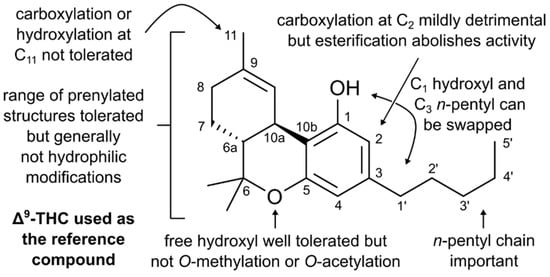
Isolation of a High-Affinity Cannabinoid for the Human CB1 Receptor from a Medicinal Cannabis sativa Variety: Δ9-Tetrahydrocannabutol, the Butyl Homologue of Δ9-Tetrahydrocannabinol.

Go to Volume 0, Issue 0“The butyl homologues of Δ9-tetrahydrocannabinol, Δ9-tetrahydrocannabutol (Δ9-THCB), and cannabidiol, cannabidibutol (CBDB), were isolated from a medicinal Cannabis sativa variety (FM2) inflorescence. Appropriate spectroscopic and spectrometric characterization, including NMR, UV, IR, ECD, and HRMS, was carried out on both cannabinoids. The chemical structures and absolute configurations of the isolated cannabinoids were confirmed by comparison with the spectroscopic data of the respective compounds obtained by stereoselective synthesis. The butyl homologue of Δ9-THC, Δ9-THCB, showed an affinity for the human CB1 (Ki = 15 nM) and CB2 receptors (Ki = 51 nM) comparable to that of (-)-trans9-THC. Docking studies suggested the key bonds responsible for THC-like binding affinity for the CB1 receptor. The formalin test in vivo was performed on Δ9-THCB in order to reveal possible analgesic and anti-inflammatory properties. The tetrad test in mice showed a partial agonistic activity of Δ9-THCB toward the CB1 receptor.”

https://www.ncbi.nlm.nih.gov/pubmed/31891265

https://pubs.acs.org/doi/abs/10.1021/acs.jnatprod.9b00876

A novel phytocannabinoid isolated from Cannabis sativa L. with an in vivo cannabimimetic activity higher than Δ9-tetrahydrocannabinol: Δ9-Tetrahydrocannabiphorol.

 Scientific Reports“(-)-Trans-Δ9-tetrahydrocannabinol (Δ9-THC) is the main compound responsible for the intoxicant activity of Cannabis sativa L. The length of the side alkyl chain influences the biological activity of this cannabinoid. In particular, synthetic analogues of Δ9-THC with a longer side chain have shown cannabimimetic properties far higher than Δ9-THC itself. In the attempt to define the phytocannabinoids profile that characterizes a medicinal cannabis variety, a new phytocannabinoid with the same structure of Δ9-THC but with a seven-term alkyl side chain was identified. The natural compound was isolated and fully characterized and its stereochemical configuration was assigned by match with the same compound obtained by a stereoselective synthesis. This new phytocannabinoid has been called (-)-trans-Δ9-tetrahydrocannabiphorol (Δ9-THCP). Along with Δ9-THCP, the corresponding cannabidiol (CBD) homolog with seven-term side alkyl chain (CBDP) was also isolated and unambiguously identified by match with its synthetic counterpart. The binding activity of Δ9-THCP against human CB1 receptor in vitro (Ki = 1.2 nM) resulted similar to that of CP55940 (Ki = 0.9 nM), a potent full CB1 agonist. In the cannabinoid tetrad pharmacological test, Δ9-THCP induced hypomotility, analgesia, catalepsy and decreased rectal temperature indicating a THC-like cannabimimetic activity. The presence of this new phytocannabinoid could account for the pharmacological properties of some cannabis varieties difficult to explain by the presence of the sole Δ9-THC.”

https://www.ncbi.nlm.nih.gov/pubmed/31889124

https://www.nature.com/articles/s41598-019-56785-1

Treatment of Gilles de la Tourette Syndrome with Cannabis-Based Medicine: Results from a Retrospective Analysis and Online Survey.

View details for Cannabis and Cannabinoid Research cover image“Gilles de la Tourette syndrome (GTS) is a neuropsychiatric disorder that is characterized by motor and vocal tics and psychiatric comorbidities, including attention deficit/hyperactivity disorder (ADHD) and obsessive-compulsive behavior/disorder (OCB/OCD). From anecdotal reports and preliminary controlled studies, it is suggested that cannabis-based medicine (CBM) may improve tics and comorbidities in adults with GTS. This study was designed to further investigate efficacy and safety of CBM in GTS and specifically compare effects of different CBM.

Results: From medical records, we identified 98 patients who had used CBM (most often street cannabis followed by nabiximols, dronabinol, medicinal cannabis) for the treatment of GTS: Of the 38 patients who were able to judge, 66% preferred treatment with medicinal cannabis, 18% dronabinol, 11% nabiximols, and 5% street cannabis. Altogether, CBM resulted in a subjective improvement of tics (of about 60% in 85% of treated cases), comorbidities (55% of treated cases, most often OCB/OCD, ADHD, and sleeping disorders), and quality of life (93%). The effects of CBM appear to persist in the long term. Adverse events occurred in half of the patients, but they were rated as tolerable. Dosages of all CBM varied markedly. Patients assessed cannabis (with a preference for tetrahydrocannabinol [THC]-rich strains) as more effective and better tolerated compared with nabiximols and dronabinol. These data were confirmed by results obtained from the online survey (n=40).

Conclusion: From our results, it is further supported that CBM might be effective and safe in the treatment of tics and comorbidities at least in a subgroup of adult patients with GTS. In our sample, patients favored THC-rich cannabis over dronabinol and nabiximols, which might be related to the entourage effect of cannabis. However, several limitations of the study have to be taken into considerations such as the open uncontrolled design and the retrospective data analysis.”

https://www.ncbi.nlm.nih.gov/pubmed/31872061

https://www.liebertpub.com/doi/10.1089/can.2018.0050

Antioxidative and Anti-Inflammatory Properties of Cannabidiol.

antioxidants-logo“Cannabidiol (CBD) is one of the main pharmacologically active phytocannabinoids of Cannabis sativa L. CBD is non-psychoactive but exerts a number of beneficial pharmacological effects, including anti-inflammatory and antioxidant properties. The chemistry and pharmacology of CBD, as well as various molecular targets, including cannabinoid receptors and other components of the endocannabinoid system with which it interacts, have been extensively studied. In addition, preclinical and clinical studies have contributed to our understanding of the therapeutic potential of CBD for many diseases, including diseases associated with oxidative stress. Here, we review the main biological effects of CBD, and its synthetic derivatives, focusing on the cellular, antioxidant, and anti-inflammatory properties of CBD.”

https://www.ncbi.nlm.nih.gov/pubmed/31881765

https://www.mdpi.com/2076-3921/9/1/21

Medical Cannabis Use in Palliative Care: Review of Clinical Effectiveness and Guidelines – An Update [Internet].

Cover of Medical Cannabis Use in Palliative Care: Review of Clinical Effectiveness and Guidelines – An Update“Palliative care is defined by the World Health Organization as “an approach that improves the quality of life of patients and their families facing the problem associated with life-threatening illness…”. The last days and hours of a person’s life can be associated with immense physical as well as emotional suffering Relief of pain and other distressing symptoms, and enhancement of quality of life, are among the essential elements of good palliative care. Palliative care could benefit an estimated 69% to 82% of dying individuals in Canada. As Canada’s population ages, with increasing prevalence of chronic conditions and treatments resulting in prolonged life, it is expected that there will be an increased need for palliative care services.

Approximately 9% of Canadians (or 2.7 million) reported using cannabis for medical purposes in the first half of 2019. Herbal cannabis (cannabis sativa) contains hundreds of pharmacological components, many of which are not well-characterized. Tetrahydrocannabinol (THC) is the most prevalent pharmacologically active compound and is primarily responsible for the psychoactive and physical effects of cannabis. Cannabidiol (also commonly referred to as CBD) is the second most prevalent. It has very little if any psychotropic effects. Quantity and ratio of these and other components can vary considerably between plants and even within the same plant.

Two prescription cannabinoids are currently marketed in Canada: Nabiximols (Sativex) which contains THC and cannabidiol, and Nabilone (Cesamet) which is a synthetic cannabinoid. Dronabinol (Marinol), synthetic THC, was withdrawn from the Canadian market however it is available in other jurisdictions. For the purposes of this report, medical cannabis refers to use of the cannabis plant or its extracts or synthetic cannabinoids for medical purposes.

Medical cannabis may be of value for a number of conditions, including but not limited to pain, nausea and vomiting, depression, anxiety and appetite stimulation. Adverse effects of cannabis are very common, developing in 80% to 90% of patients. These include but are not limited to psychiatric disturbances, sedation, speech disorders, impaired memory, dizziness, ataxia, addiction, irritability, and driving impairment. Risk of adverse effects is likely lower with cannabidiol alone as compared to THC. The potential for drug interactions is also an important concern. These risks must be considered along with the an apparent lack of evidence surrounding effectiveness of medical cannabis in many conditions for which its use is promoted.

This report updates and expands on a previous summary of abstracts report.9 The objective of the report is to review evidence and guidelines for use of medical cannabis in the palliative care setting.”

https://www.ncbi.nlm.nih.gov/pubmed/31873991

https://www.ncbi.nlm.nih.gov/books/NBK551867/