The Effectiveness of Topical Cannabidiol Oil in Symptomatic Relief of Peripheral Neuropathy of the Lower Extremities.

“Peripheral neuropathy can significantly impact the quality of life for those who are affected, as therapies from the current treatment algorithm often fail to deliver adequate symptom relief. There has, however, been an increasing body of evidence for the use of cannabinoids in the treatment of chronic, noncancer pain. The efficacy of a topically delivered cannabidiol (CBD) oil in the management of neuropathic pain was examined in this four-week, randomized and placebo-controlled trial.

RESULTS:

The study population included 62.1% males and 37.9% females with a mean age of 68 years. There was a statistically significant reduction in intense pain, sharp pain, cold and itchy sensations in the CBD group when compared to the placebo group. No adverse events were reported in this study.

CONCLUSIONS:

Our findings demonstrate that the transdermal application of CBD oil can achieve significant improvement in pain and other disturbing sensations in patients with peripheral neuropathy. The treatment product was well tolerated and may provide a more effective alternative compared to other current therapies in the treatment of peripheral neuropathy.”

https://www.ncbi.nlm.nih.gov/pubmed/31793418

http://www.eurekaselect.com/177080/article

Anxiolytic Effects of Repeated Cannabidiol Treatment in Teenagers With Social Anxiety Disorders.

Image result for frontiers in psychology“Accumulated evidence indicates that cannabidiol (CBD), a nonpsychotomimetic and nonaddictive main component of the Cannabis sativa plant, reverses anxiety-like behavior. The purpose of the present study was to assess the efficacy of CBD treatment for Japanese late teenagers with social anxiety disorder (SAD). Thirty-seven 18-19-year-old Japanese teenagers with SAD and avoidant personality disorder received, in a double-blind study, cannabis oil (n = 17) containing 300 mg CBD or placebo (n = 20) daily for 4 weeks. SAD symptoms were measured at the beginning and end of the treatment period using the Fear of Negative Evaluation Questionnaire and the Liebowitz Social Anxiety Scale. CBD significantly decreased anxiety measured by both scales. The results indicate that CBD could be a useful option to treat social anxiety.”

https://www.ncbi.nlm.nih.gov/pubmed/31787910

“In all, the results of the current study provide evidence for anxiolytic effects of repeated CBD administration in teenagers with SAD.”

https://www.frontiersin.org/articles/10.3389/fpsyg.2019.02466/full

The role of the endocannabinoid system in aetiopathogenesis of endometriosis: A potential therapeutic target.

European Journal of Obstetrics and Gynecology Home“Endometriosis affects a large proportion of women during their reproductive years and is associated with pain and infertility, also affecting psychological wellbeing and quality of life. The pathogenesis of the disease remains unclear, although it is believed to be multifactorial.

The endocannabinoid system (ECS) consists of a number of ligands, receptors and enzymes, and has gained interests in endometriosis research. This review aims to summarise all available evidence reporting the roles of the ECS in endometriosis.

A literature search of the PubMed, EMBASE, and Web of Science electronic medical databases was performed. Original and review articles published in peer-reviewed journals were included. No publication date or publication status restrictions were imposed.

Significant differences in the concentrations and expressions of the components of the ECS were reported in the eutopic and ectopic endometrium, and the systemic circulation of women with endometriosis compared to controls. Endometriosis appears to be associated with downregulation of CB1 receptors and upregulation of TRPV1 receptors.

The role of CB1 and progesterone in anti-inflammatory action and the role of TRPV1 in inflammation and pain are of particular interests. Furthermore, the ECS has been reported to be involved in processes relevant to endometriosis, including cell migration, cell proliferation, apoptosis, inflammation, and interacts with sex steroid hormones.

The ECS may play a role in disease establishment, progression, and pain in endometriosis. However, reports are based on studies of limited size and there are inconsistencies among the definition of their control groups. There are also conflicting reports regarding precise involvement of the ECS in endometriosis. Future research with larger numbers, strict inclusion and exclusion criteria and detailed clinical information is imperative.”

https://www.ncbi.nlm.nih.gov/pubmed/31785471

https://www.ejog.org/article/S0301-2115(19)30526-3/fulltext

Investigation of the Involvement of the Endocannabinoid System in TENS-induced Antinociception.

“Transcutaneous electrical nerve stimulation (TENS) promotes antinociception by activating the descending pain modulation pathway and consequently releasing endogenous analgesic substances.

In addition, recent studies have shown that the endocannabinoid system controls pain. Thus, the present study investigated the involvement of the endocannabinoid system in TENS-induced antinociception of cancer pain using a cancer pain model induced by intraplantar (i.pl.) injections of Ehrlich tumor cells in male Swiss mice.

These results suggest that low- and high-frequency TENS is effective in controlling cancer pain, and the endocannabinoid system is involved in this effect at both the peripheral and central levels.

Perspective: TENS is a non-pharmacological strategy that may be used to control cancer pain. Identification of a new mechanism involved in its analgesic effect could lead to the development of clinical studies as well as an increase in its application, lessening the need for pharmacological treatments.”

https://www.ncbi.nlm.nih.gov/pubmed/31785404

https://www.jpain.org/article/S1526-5900(19)30868-5/fulltext

Influence of the CB1 and CB2 cannabinoid receptor ligands on the activity of atypical antidepressant drugs in the behavioural tests in mice.

Pharmacology Biochemistry and Behavior“Available data support the notion that cannabinoids, whose therapeutic value is limited due to severe adverse reactions, could be beneficial as adjunctive agents in the management of mood disorders.

Polytherapy, which is superior to monotherapy in the terms of effectiveness, usually requires lower doses of the individual components. Therefore, the main objective of our study was to determine whether administration of cannabinoid (CB) receptor ligands would enhance the antidepressant activity of atypical antidepressant drugs, i.e. agomelatine and tianeptine.

In summary, the outcomes of the present study showed that activation and inhibition of CB1 receptors as well as inhibition of CB2 receptors may increase the antidepressant activity of tianeptine, whereas only inhibition of CB1 and CB2 receptors has a potential to augment the antidepressant activity of agomelatine.”

https://www.ncbi.nlm.nih.gov/pubmed/31785246

https://www.sciencedirect.com/science/article/pii/S0091305719304873?via%3Dihub

Cannabis for pain in orthopedics: a systematic review focusing on study methodology

Image result for Can J Surg. journal“Medical cannabis use is an emerging topic of interest in orthopedics. Although there is a large amount of literature on medical cannabis use for managing various types of pain, few studies have focused on orthopedic conditions. There is little high-quality evidence in core orthopedic areas. The objective of this study was to summarize the literature on the efficacy of cannabis use for pain related to orthopedic conditions.
METHODS:

We conducted a systematic review of the literature on the use of cannabinoids for pain management in core orthopedic conditions. Two independent reviewers extracted information on reporting quality, risk of bias, drugs, population, control, duration of study, pain outcomes and the authors’ conclusions regarding efficacy for pain outcomes.

RESULTS:

We identified 33 orthopedic studies, including 21 primary studies and 12 reviews. Study quality was generally low to moderate. Six of the included studies had a control group and 15 were noncontrolled studies. Methodologies, drugs and protocols of administration varied greatly across studies. Study conclusions were generally positive in noncontrolled studies and mixed in controlled studies. Studies using higher doses tended to conclude that cannabis use was effective, but the potential for harmful effects may also be increased with higher doses.

CONCLUSION:

Variability in the methodologies used in cannabis research makes it challenging to draw conclusions about dosing, routes and frequency of administration. Most of the existing evidence suggests that medical cannabis use is effective, but this efficacy has been demonstrated only when either there is no comparator or cannabis is compared with placebo. Studies using an active comparator have not demonstrated efficacy. Future research should focus on improving study reporting and methodologic quality so that protocols that optimize pain control while minimizing harmful effects can be determined.”

https://www.ncbi.nlm.nih.gov/pubmed/31782292

The use of medical grade cannabis in Italy for drug-resistant epilepsy: a case series.

 “In Italy, medical grade cannabis (MGC) can be prescribed for different medical conditions, including drug-resistant epilepsy (DRE), once standard and approved therapies have failed, or caused non-tolerable side effects.

Here, we present a retrospective case series report of five patients with DRE who started therapy with MGC. Authorized ISO 9001:2008 pharmacies prepared MGC according to Italian laws. Olive oil extracts (OOEs) were prepared following standard extraction protocols, and cannabinoids were measured on each OOE to check for successful extraction.

After treatment with MGC, all patients reported a reduction in seizure frequency and severity, and some reported improved mood, sleep quality, and general well-being without relevant side effects.

Despite the small sample size and open-label nature of the data, we show that MGC may be successfully used to treat DRE. This is especially true when considering that no valid therapeutic option exists for these patients and that MGC was extremely well tolerated.”

https://www.ncbi.nlm.nih.gov/pubmed/31776867

https://link.springer.com/article/10.1007%2Fs10072-019-04162-1

Exploring cancer survivors’ attitudes, perceptions, and concerns about using medical cannabis for symptom and side effect management: A qualitative focus group study.

Complementary Therapies in Medicine“The purpose of this study is to gain a greater understanding of cancer survivors’ attitudes, perspectives, and concerns about medical cannabinoids (MCs) for cancer symptom and side effect management.

Using qualitative methods, we conducted four focus groups (n = 19) with cancer survivors recruited from a community-based cancer wellness center. Groups were audio-recorded and facilitated by experienced co-moderators who directed discussion using a semi-structured interview guide. Transcripts were coded using principles from Grounded Theory.

Analyses revealed the following ten themes and percentages of codes applied: 1) Attitudes & Beliefs (25.3%), 2) Access (17.1%), 3) Information (15.5%), 4) Concern (14%), 5) How MCs Helped (12.6%), 6) Comfort (4.3%), 7) Confusion (3.6%), 8) Trust/Distrust (3.1%), 9) Behaviors (2.3%), and 10) Support (2.2%).

Participants reported that MCs offer potential benefits for symptom management and side effect relief, especially in reducing and managing pain. Despite the growing number of states that are legalizing MCs, significant barriers exist that make knowledge and adequate access a challenge for many.”

https://www.ncbi.nlm.nih.gov/pubmed/31779995

https://www.sciencedirect.com/science/article/abs/pii/S0965229919309252?via%3Dihub

Cannabidiol-from Plant to Human Body: A Promising Bioactive Molecule with Multi-Target Effects in Cancer.

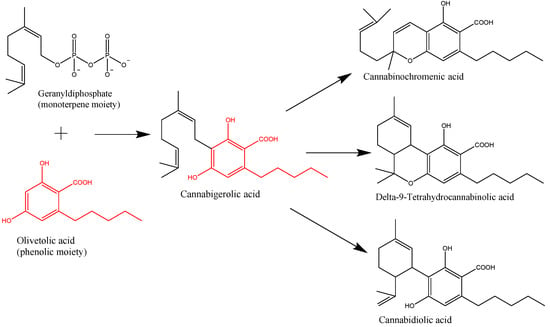
 ijms-logo“Cannabis sativa L. is a plant long used for its textile fibers, seed oil, and oleoresin with medicinal and psychoactive properties. It is the main source of phytocannabinoids, with over 100 compounds detected so far. In recent years, a lot of attention has been given to the main phytochemicals present in Cannabis sativa L., namely, cannabidiol (CBD) and Δ9-tetrahydrocannabinol (THC). Compared to THC, CBD has non-psychoactive effects, an advantage for clinical applications of anti-tumor benefits. The review is designed to provide an update regarding the multi-target effects of CBD in different types of cancer. The main focus is on the latest in vitro and in vivo studies that present data regarding the anti-proliferative, pro-apoptotic, cytotoxic, anti-invasive, anti-antiangiogenic, anti-inflammatory, and immunomodulatory properties of CBD together with their mechanisms of action. The latest clinical evidence of the anticancer effects of CBD is also outlined. Moreover, the main aspects of the pharmacological and toxicological profiles are given.”
https://www.ncbi.nlm.nih.gov/pubmed/31775230

https://www.mdpi.com/1422-0067/20/23/5905

Monocyclic Quinone Structure-Activity Patterns: Synthesis of Catalytic Inhibitors of Topoisomerase II with Potent Antiproliferative Activity.

Publication cover image“The monocyclic 1,4-benzoquinone, HU-331, the direct oxidation product of cannabidiol, inhibits the catalytic activity of topoisomerase II but without inducing DNA strand breaks or generating free radicals, and unlike many fused-ring quinones exhibits minimal cardiotoxicity. Thus, monocyclic quinones have potential as anticancer agents, and investigation of the structural origins of their biological activity is warranted. New syntheses of cannabidiol and (±)-HU-331 are here reported. Integrated synthetic protocols afforded a wide range of polysubstituted resorcinol derivatives; many of the corresponding novel 2-hydroxy-1,4-benzoquinone derivatives are potent inhibitors of the catalytic activity of topoisomerase II, some more so than HU-331, whose monoterpene unit replaced by a 3-cycloalkyl unit conferred increased antiproliferative properties in cell lines with IC50 values extending below 1 mM, and greater stability in solution than HU-331. The principal pharmacophore of quinones related to HU-331 was identified. Selected monocyclic quinones show potential for the development of new anticancer agents.”

https://www.ncbi.nlm.nih.gov/pubmed/31778038

https://onlinelibrary.wiley.com/doi/abs/10.1002/cmdc.201900548