
“We conducted a responsibility analysis to determine whether drivers injured in motor vehicle collisions who test positive for Δ-9-tetrahydrocannabinol (THC) or other drugs are more likely to have contributed to the crash than those who test negative.
There was no increased risk of crash responsibility in drivers with THC<2ng/mL or 2≤THC<5ng/mL.
In this sample of non-fatally injured motor vehicle drivers in British Columbia, Canada, there was no evidence of increased crash risk in drivers with THC<5ng/mL and a statistically non-significant increased risk of crash responsibility (OR=1.74) in drivers with THC≥5ng/mL.”

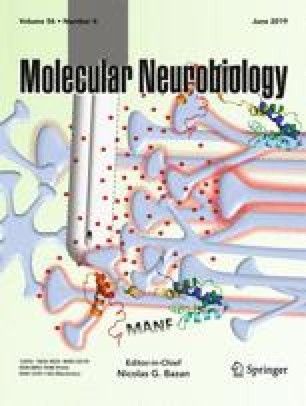
 “In this review, we discuss the role of the endocannabinoid (eCB) system in regulating energy and metabolic homeostasis. Endocannabinoids, via activating the cannabinoid type-1 receptor (CB1R), are commonly known as mediators of the thrifty phenotype hypothesis due to their activity in the central nervous system, which in turn regulates food intake and underlies the development of metabolic syndrome. Indeed, these findings led to the clinical testing of globally acting CB1R blockers for obesity and various metabolic complications. However, their therapeutic potential was halted due to centrally mediated adverse effects. Recent observations that highlighted the key role of the peripheral eCB system in metabolic regulation led to the preclinical development of various novel compounds that block CB1R only in peripheral organs with very limited brain penetration and without causing behavioral side effects. These unique molecules, which effectively ameliorate obesity, type II diabetes, fatty liver, insulin resistance, and chronic kidney disease in several animal models, are likely to be further developed in the clinic and may revive the therapeutic potential of blocking CB1R once again.”
 “The nonpsychoactive phytocannabinoid, CBD, was recently approved by the Food and Drug Administration for the treatment of children with drug-resistant epilepsy. This milestone opens new avenues for
  “Neuropathic pain can develop after nerve injury, leading to a chronic condition with spontaneous pain and hyperalgesia.
 “Cannabinoid compounds are potential analgesics. Users of medicinal
  “Recent evidence suggests that 2-week treatment with the non-psychotomimetic cannabinoid cannabidivarin (CBDV) could be beneficial towards neurological and social deficits in early symptomatic Mecp2 mutant mice, a model of Rett syndrome (RTT). The aim of this study was to provide further insights into the efficacy of CBDV in Mecp2-null mice using a lifelong treatment schedule to evaluate its effect on recognition memory and neurological defects in both early and advanced sta