
 “The COVID-19 pandemic caused by SARS-CoV-2 is a deadly disease afflicting millions. The pandemic continues affecting population due to nonavailability of drugs and vaccines. The pathogenesis and complications of infection mainly involve hyperimmune-inflammatory responses. Thus, therapeutic strategies rely on repurposing of drugs aimed at reducing infectivity and inflammation and modulate immunity favourably.
Among, numerous therapeutic targets, the endocannabinoid system, particularly activation of cannabinoid type-2 receptors (CB2R) emerged as an important one to suppress the hyperimmune-inflammatory responses. Recently, potent antiinflammatory, antiviral and immunomodulatory properties of CB2R selective ligands of endogenous, plant, and synthetic origin were showed mediating CB2R selective functional agonism.
CB2R activation appears to regulate numerous signaling pathways to control immune-inflammatory mediators including cytokines, chemokines, adhesion molecules, prostanoids, and eicosanoids. Many CB2R ligands also exhibit off-target effects mediating activation of PPARs, opioids, and TRPV, suggestive of adjuvant use with existing drugs that may maximize efficacy synergistically and minimize therapeutic doses to limit adverse/ side effects.
We hypothesize that CB2R agonists, due to immunomodulatory, antiinflammatory, and antiviral properties may show activity against COVID-19. Based on the organoprotective potential, relative safety, lack of psychotropic effects, and druggable properties, CB2R selective ligands might make available promising candidates for further investigation.”
https://pubmed.ncbi.nlm.nih.gov/33190277/
https://onlinelibrary.wiley.com/doi/10.1002/ddr.21752

 “The cannabinoid receptor subtype 2 (CB2R) represents an interesting and new therapeutic target for its involvement in the first steps of neurodegeneration as well as in cancer onset and progression.
 “Uterus transplantation is a complex surgical procedure. Uterine ischemia/reperfusion (IR) damage occurring in this process may cause loss of function in the uterus. Cell damage must be prevented for a healthy uterine function and successful transplantation.
 “Graft versus host disease (GVHD) pathophysiology is a complex interplay between cells that comprise the adaptive and innate arms of the immune system. Effective prophylactic strategies are therefore contingent upon approaches that address contributions from both immune cell compartments.
 “Cannabinoids help in pain treatment through their action on CB1 and CB2 receptors.
 “While activation of cannabinoid (CB2) receptors has been shown to be neuroprotective, no studies have examined whether this neuroprotection is directed at cerebral arterioles and no studies have examined whether activation of CB2 receptors can rescue cerebrovascular dysfunction during a chronic disease state such as type 1 diabetes (T1D).
 “Cannabis is an annual plant with a long history of use as food, feed, fiber, oil, medicine, and narcotics. Despite realizing its true value, it has not yet found its true place. Cannabis has had a long history with many ups and downs, and now it is our turn to promote it.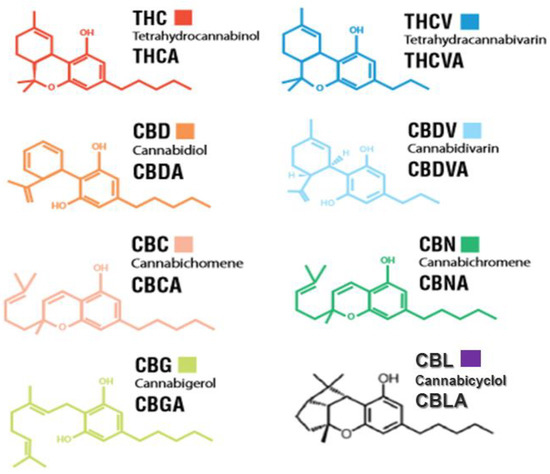
 “The immune-suppressive effects of cannabidiol (CBD) are attributed to the modulation of essential immunological signaling pathways and receptors. Mechanistic understanding of the pharmacological effects of CBD emphasizes the therapeutic potential of CBD as a novel immune modulator.
 “Diabetes is a chronic disease associated with a high number of complications such as peripheral neuropathy, which causes sensorial disturbances and may lead to the development of diabetic neuropathic pain (DNP). The current treatment for DNP is just palliative and the drugs may cause severe adverse effects, leading to discontinuation of treatment. Thus, new therapeutic targets need to be urgently investigated.
 “Although several lines of evidence support the hypothesis of a dysregulation of serotoninergic neurotransmission in the pathophysiology of obsessive-compulsive disorder (OCD), there is also evidence for an involvement of other pathways such as the GABAergic, glutamatergic, and dopaminergic systems.