The pathophysiologic rationale for biological therapies in inflammatory bowel disease.

“Inflammatory bowel disease is driven by an excessive immune response in the gut wall. This review summarises important new developments in understanding this immune response and the downstream mechanisms of intestinal injury, alongside their potential role in opening up new avenues of treatment…

Understanding the immunology of inflammatory bowel disease continues to underpin the vast majority of new therapies and identifies new targets.

Novel approaches, such as exploiting the antiinflammatory role of cannabinoid receptors, may also prove productive in the future.”

http://www.ncbi.nlm.nih.gov/pubmed/15930983

A tale of two cannabinoids: the therapeutic rationale for combining tetrahydrocannabinol and cannabidiol.

“This study examines the current knowledge of physiological and clinical effects of tetrahydrocannabinol (THC) and cannabidiol (CBD) and presents a rationale for their combination in pharmaceutical preparations. Cannabinoid and vanilloid receptor effects as well as non-receptor mechanisms are explored, such as the capability of THC and CBD to act as anti-inflammatory substances independent of cyclo-oxygenase (COX) inhibition.

CBD is demonstrated to antagonise some undesirable effects of THC including intoxication, sedation and tachycardia, while contributing analgesic, anti-emetic, and anti-carcinogenic properties in its own right.

In modern clinical trials, this has permitted the administration of higher doses of THC, providing evidence for clinical efficacy and safety for cannabis based extracts in treatment of spasticity, central pain and lower urinary tract symptoms in multiple sclerosis, as well as sleep disturbances, peripheral neuropathic pain, brachial plexus avulsion symptoms, rheumatoid arthritis and intractable cancer pain. Prospects for future application of whole cannabis extracts in neuroprotection, drug dependency, and neoplastic disorders are further examined.

The hypothesis that the combination of THC and CBD increases clinical efficacy while reducing adverse events is supported.”

http://www.ncbi.nlm.nih.gov/pubmed/16209908

The Amazing Health Benefits of Juicing Raw Cannabis (Marijuana) Leaves

“Contrary to popular belief, the marijuana plant is a whole lot more than just a psychoactive drug that “stoners” use to get high.

In raw form, marijuana leaves and buds are actually loaded with a non-psychoactive, antioxidant, anti-inflammatory, and anti-cancer nutrient compound known as cannabidiol (CBD) that is proving to be a miracle “superfood” capable of preventing and reversing a host of chronic illnesses…


“There’s a tendency to discount claims when something appears to be good for everything, but there’s a reason this is the case. The endogenous cannabinoid system acts as a modulator in fine-tuning a lot of these systems, and if something is deranged biochemically in a person’s body, it may well be that a cannabinoid system can bring things back into balance.””

Read More: http://www.whydontyoutrythis.com/2013/02/health-benefits-of-juicing-raw-cannabis.html#sthash.Zgix94HO.dpbs

Cannabis Treats Cancer and Epilepsy

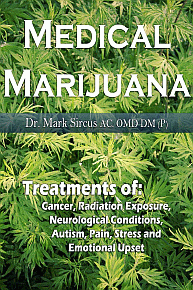
Description: Medical Marijuana

Dr. Mark Sircus, Ac., OMD, DM (P)

Director International Medical Veritas Association

Doctor of Oriental and Pastoral Medicine

Dr. Sean McAllister and Pierre Desprez claim they’ve successfully used cannabidiol to fight animal genes involved in the spread of cancer. “We found this one compound had a specific effect on metastatic cancer cells, very aggressive tumor cells,” McAllister says. Cannabidiol, the research appears to show, helps shut down receptors that inhibit cancerous cells from metastasizing.  “We find when you treat with cannabidiol, you down regulate the expression of this protein, and that inhibits the disease process.” Unlike THC, the ingredient in marijuana that makes you feel stoned, cannabidiol is a non-toxic compound of the plant that has no psychoactive qualities.

I already published that marijuana is the best medicine for 3-year-old Cash Hyde of Missoula, Montana. The boy’s parent’s defied doctor’s orders—and Montana law—to get their hands on the medicinal treatment their son needed after he was diagnosed with recurring brain tumors at 22 months old. “I’ve had law enforcement threatening to kick my door down, but I would have done anything to keep Cashy alive,” said Mike Hyde, who has long been a proponent of the drug, told ABCNews.com.

My book on Medical Marijuana goes into the research from around the globe, including from Harvard University that sustains the conclusions of doctors McAllister and Desprez.

Dixie Botanicals is shipping Cannabidiol from Denver Colorado to all fifty states though of course one can grow marijuana oneself and or use regular marijuana strains if one lives in one of the now fifteen states that has made medical marijuana legal.

I take great exception to the Obama administration that has continued to resist the legalization on a federal level of medical marijuana. They still insist that there is no medical use for marijuana when all the science proves the government to be dead wrong. They hunt the world for terrorists but some of the worst live and work right in Washington DC. Terrorists are people who hurt others and I do not see the difference between those who use guns and those who use drugs or deny the population the natural substances they need to be well.

Of course marijuana is extremely effective for other diseases. The most recent I have read about: Medical pot treats boy’s epilepsy, without getting him high. The little boy has been swallowing droppers full of a solution made mostly of cannabidiol, or CBD, the second most prominent of marijuana’s 100 or so cannabinoids. Unlike the dominant THC, cannabidiol is not psychoactive, so the sweet-tasting infusion Jayden takes four times a day doesn’t make him high.

Down from 22 prescription pills per day to four, he now eats solid food, responds to his father’s incessant requests for kisses and dances in his Modesto living room to the “Yo Gabba Gabba!” theme song. The frequency and intensity of his seizures have been greatly reduced.

CBD was virtually bred out of U.S. plants decades ago by growers whose customers preferred the mind-altering properties of high-THC varietals. Yet it is experiencing a resurgence, having shown promise as an anti-inflammatory, anticonvulsant, neuroprotectant and cancer-fighting agent.

Studies have shown THC is “overwhelmingly anticonvulsant” in animals, said Dr. Ben Whalley, a researcher at Britain’s University of Reading, but CBD and some other non-psychoactive cannabinoids have shown similar effects without the mind-altering downside.”

http://drsircus.com/medicine/cancer/cannabis-treats-cancer-and-epilepsy#utm_source=Dr+Sircus+Newsletter&utm_campaign=820775ef59-Article_045&utm_medium=email

Cannabinoid Inhibition of Macrophage Migration to the Trans-Activating (Tat) Protein of HIV-1 Is Linked to the CB2 Cannabinoid Receptor

“Macrophage-like cells are primary targets for infection by HIV-1…  In the present study, the exogenous cannabinoids δ-9-tetrahydrocannabinol (THC) and (−)-cis-3-[2-hydroxy-4-(1,1-dimethylheptyl)phenyl]-trans-4-(3-hydroxypropyl) cyclohexanol (CP55940) were shown to significantly inhibit migration of human U937 macrophage-like cells to the Tat protein in a concentration-related manner….

Collectively, the pharmacological and biochemical knockdown data indicate that cannabinoid-mediated modulation of macrophage migration to the HIV-1 Tat protein is linked to the CB2 cannabinoid receptor. Furthermore, these results suggest that the CB2 cannabinoid receptor has potential to serve as a therapeutic target for ablation of HIV-1-associated untoward inflammatory response…

,,, the CB2 receptor has the potential to serve as a molecular target for ablating hyperinflammatory responses of macrophage-like cells while avoiding untoward psychotropic effects caused by activation of the CB1 receptor.

 In conclusion, the immunosuppressive and anti-inflammatory properties of select cannabinoids may have profound therapeutic potential in moderating HIV-associated immunopathology, including microglial activation, chemokine/cytokine dysregulation, and monocyte infiltration in the CNS.”

Full text: http://www.ncbi.nlm.nih.gov/pmc/articles/PMC2846023/

Attenuation of HIV-1 replication in macrophages by cannabinoid receptor 2 agonists.

“Previous studies showed that activation of the CB2 can attenuate inflammatory responses and affect HIV-1 infectivity in T cells and microglia. Here, we report that CB2 agonists can also act as immunomodulators on HIV-1-infected macrophages.

   We speculate that these findings indicate that prevention of viral entry is not a central mechanism for CB2-mediated suppression in viral replication.

However, CB2 may affect the HIV-1 replication machinery.

Results from a single-round infection with the pseudotyped virus revealed a marked decrease in HIV-1 LTR activation by the CB2 ligands.

Together, these results indicate that CB2 may offer a means to limit HIV-1 infection in macrophages.”

http://www.ncbi.nlm.nih.gov/pubmed/23463725

Pot patch considered medical breakthrough

“Advocates are fighting to legalize marijuana. The University of Mississippi has the only legally grown marijuana crop in the nation.Faculty members and student researchers have now developed a new patch that could potentially provide help to patients who need it.

The patch developed at Ole Miss could help patients overcome problems associated with taking the drug in pill form. The patch is placed above the gum line.

“In addition to pain, it will include things like reducing intraocular pressure and therefore would be good for glaucoma. [It] will be good for alleviating the nausea and vomiting associated with chemotherapy; it would also be good for appetite stimulation for patients suffering from the syndrome, anti-inflammatory activity, anti-anxiety,” explains Dr. ElSohly.”

More: http://www.myfoxal.com/story/21116615/pot-patch-offers-medicinal-marijuana-treatment-at-ole-miss

Cannabis may help reverse dementia: study

“It makes most people a little foggy-headed, but scientists are investigating whether an active ingredient in cannabis could actually stave off dementia.

A team from Neuroscience Research Australia is in the early stages of research examining if one of the main active ingredients in cannabis, called cannabidiol, could reverse some of the symptoms of memory loss in animals.

Tim Karl, a senior research fellow with the group, said cannabidiol does not have the same psychoactive effects as the main component of marijuana, THC, but it has been found to have anti-inflammatory, antioxidant and other effects that could be beneficial for the brain.”

Read more: http://www.narrominenewsonline.com.au/story/1283217/cannabis-may-help-reverse-dementia-study/

Cannabis Compound Could Help With Alzheimer’s Disease

cannabis 

“Neuroscientists suspect the main active ingredient in cannabis, called cannabidiol, could help prevent or reverse early stage brain damage and memory loss from Alzheimer’s disease, according to Australian newspaper the Sydney Morning Herald.

Tim Karl, a senior research fellow with Neuroscience Research Australia, said cannabidiol doesn’t have the same psychoactive effects as marijuana’s main component, THC (meaning it won’t get you high), but it does have anti-inflammatory, antioxidant and possible brain protective effects.

“Back in the day cannabis was used for medical purposes,” he said. “I’m talking 200 years, 100 years back, then at some point people discovered it had other effects and, as quite often happens in our society, people decided it was a bad drug.

But (cannabis isn’t) one compound, it is a mixture of 60 different compounds, and you just have to look at those different compounds because some of them might be good for you.””

Read more: http://www.blisstree.com/2013/02/06/sex-relationships/cannabis-brain/

Inhibition of endocannabinoid degradation in experimental endotoxemia reduces leukocyte adhesion and improves capillary perfusion in the gut.

“Changes in leukocyte-endothelial and microvascular perfusion are hallmark events in inflammation. Thus, protection of the intestinal microcirculation represents a pivotal therapeutic target in systemic inflammation and sepsis.

The endocannabinoid system (ECS) modulates a number of critical homeostatic functions and has been associated with anti-inflammatory responses. Our study aimed to examine intestinal leukocyte adhesion and capillary perfusion following selective inhibition of the endocannabinoid degradation enzyme, fatty acid amide hydrolase (FAAH), in experimental sepsis (endotoxemia).

Conclusions: FAAH inhibition prevents the LPS-induced increase in leukocyte adhesion and improves the capillary perfusion of the gut. This might be mediated in part by CB2R activation.

Our study encourages further investigation into the therapeutic potential of drugs targeting the ECS in sepsis.”

More: http://www.ncbi.nlm.nih.gov/pubmed/23382309