“G protein-coupled receptor 55 (GPR55) shares numerous cannabinoid ligands with CB1 and CB2 receptors despite low homology with those classical cannabinoid receptors. The pharmacology of GPR55 is not yet fully elucidated; however, GPR55 utilizes a different signaling system and downstream cascade associated with the receptor. Therefore, GPR55 has emerged as a putative “type 3” cannabinoid receptor, establishing a novel class of cannabinoid receptor. Furthermore, the recent evidence of GPR55-CB1 and GPR55-CB2 heteromerization along with its broad distribution from central nervous system to peripheries suggests the importance of GPR55 in various cellular processes and pathologies and as a potential therapeutic target in inflammation.”
“The GPR55 receptor is expressed abundantly in the brain, especially in the striatum, suggesting it might fulfill a role in motor function. Indeed, motor behavior is impaired in mice lacking GPR55, which also display dampened inflammatory responses.
Abnormal-cannabidiol (Abn-CBD), a synthetic cannabidiol (CBD) isomer, is a GPR55 agonist that may serve as a therapeutic agent in the treatment of inflammatory diseases.
In this study, we explored whether modulating GPR55 could also represent a therapeutic approach for the treatment of Parkinson’s disease (PD).
These results demonstrate for the first time that activation of GPR55 might be beneficial in combating PD.”
https://www.ncbi.nlm.nih.gov/pubmed/28807673http://www.sciencedirect.com/science/article/pii/S0028390817303842
“The GPR55 receptor is expressed abundantly in the brain, especially in the striatum, suggesting it might fulfill a role in motor function. Indeed, motor behavior is impaired in mice lacking GPR55, which also display dampened inflammatory responses.
Abnormal-cannabidiol (Abn-CBD), a synthetic cannabidiol (CBD) isomer, is a GPR55 agonist that may serve as a therapeutic agent in the treatment of inflammatory diseases.
In this study, we explored whether modulating GPR55 could also represent a therapeutic approach for the treatment of Parkinson’s disease (PD).
These results demonstrate for the first time that activation of GPR55 might be beneficial in combating PD.”
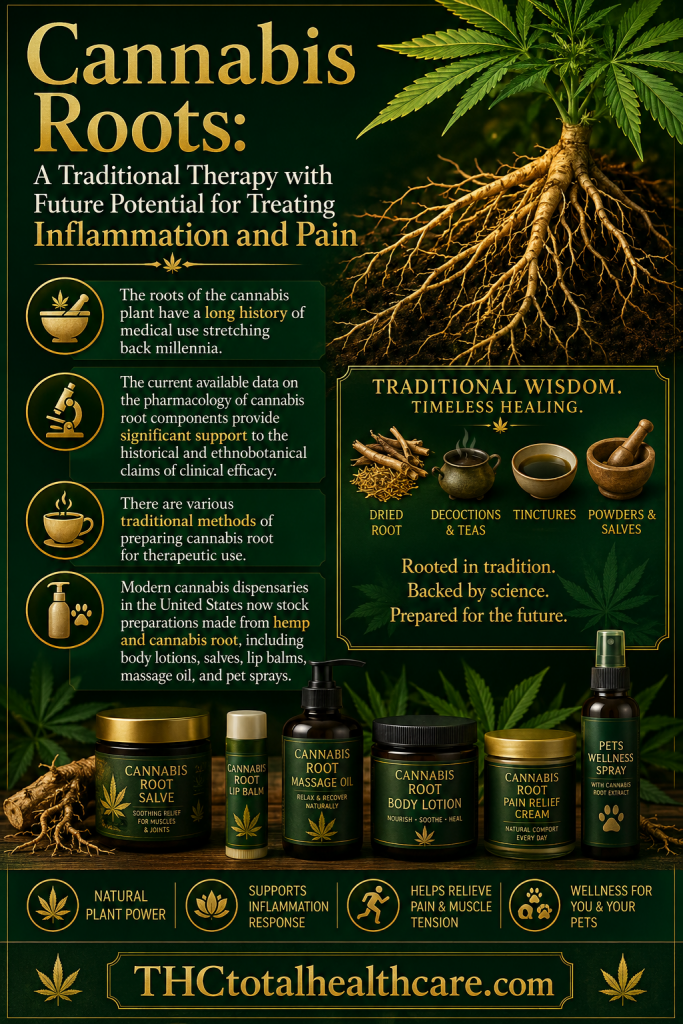
“Introduction: The roots of the cannabis plant have a long history of medical use stretching back millennia. However, the therapeutic potential of cannabis roots has been largely ignored in modern times.
Discussion: In the first century, Pliny the Elder described in Natural Histories that a decoction of the root in water could be used to relieve stiffness in the joints, gout, and related conditions. By the 17th century, various herbalists were recommending cannabis root to treat inflammation, joint pain, gout, and other conditions. There has been a subsequent paucity of research in this area, with only a few studies examining the composition of cannabis root and its medical potential. Active compounds identified and measured in cannabis roots include triterpenoids, friedelin (12.8 mg/kg) and epifriedelanol (21.3 mg/kg); alkaloids, cannabisativine (2.5 mg/kg) and anhydrocannabisativine (0.3 mg/kg); carvone and dihydrocarvone; N-(p-hydroxy-β-phenylethyl)-p-hydroxy-trans-cinnamamide (1.6 mg/kg); various sterols such as sitosterol (1.5%), campesterol (0.78%), and stigmasterol (0.56%); and other minor compounds, including choline. Of note, cannabis roots are not a significant source of Δ9-tetrahydrocannabinol (THC), cannabidiol, or other known phytocannabinoids.
Conclusion: The current available data on the pharmacology of cannabis root components provide significant support to the historical and ethnobotanical claims of clinical efficacy. Certainly, this suggests the need for reexamination of whole root preparations on inflammatory and malignant conditions employing modern scientific techniques.”
“There are various traditional methods of preparing cannabis root for therapeutic use.
The raw cannabis roots can be prepared by pounding and crushing the fresh root to extract its juices. There are numerous mentions of cannabis root preparations in water, especially boiling water, which suggest that early formulators were attempting to extract the water-soluble compounds in the roots. Throughout the 17th and 18th centuries, there are also many mentions of using cannabis root decoctions. The fresh ground root, juice, or cannabis root decoction has also been mixed with fat (oil or butter). There is also an account of mixing pulverized cannabis root with wine. Interestingly, topical applications of cannabis root-based preparations are most often described.
Modern cannabis dispensaries in the United States now stock preparations made from hemp and cannabis root, including body lotions, salves, lip balms, massage oil, and pet sprays.”
“The astrocytes have gained in recent decades an enormous interest as a potential target for neurotherapies, due to their essential and pleiotropic roles in brain physiology and pathology. Their precise regulation is still far from understood, although several candidate molecules/systems arise as promising targets for astrocyte-mediated neuroregulation and/or neuroprotection.
The cannabinoid system and its ligands have been shown to interact and affect activities of astrocytes. Cannabidiol (CBD) is the main non-psychotomimetic cannabinoid derived from Cannabis. CBD is devoid of direct CB1 and CB2 receptor activity, but exerts a number of important effects in the brain. Here, we attempt to sum up the current findings on the effects of CBD on astrocyte activity, and in this way on central nervous system (CNS) functions, across various tested models and neuropathologies.
The collected data shows that increased astrocyte activity is suppressed in the presence of CBD in models of ischemia, Alzheimer-like and Multiple-Sclerosis-like neurodegenerations, sciatic nerve injury, epilepsy, and schizophrenia. Moreover, CBD has been shown to decrease proinflammatory functions and signaling in astrocytes.”
https://www.ncbi.nlm.nih.gov/pubmed/28788104http://www.mdpi.com/1422-0067/18/8/1669]]>
Autism Spectrum Disorder (ASD) disease has become a mounting socio-economical alarm around the world. Neuroinflammtion had been shown in postmortem brain specimens from ASD patients.
The Endocannabinoids System (ES) consists of a family of locally produced, short-lived, endogenous, phospholipid-derived agonists (endocannabinoids) that control energy balance and body composition. The growing number of medical benefits of ES, such as their ability to regulate processes like neuroinflammation, neurogenesis and memory, raise the question of their potential role as a preventive treatment of ASD.
The complex nature of ASD advocates a multimodal drug approach that could protect from the various processes underlying neurodegeneration and thus, at minimum, delay the pathological process. The expected benefit from a chronic treatment aimed at stimulating the endocannabinoid system is a delayed progression of ASD: i.e., reduced inflammation, sustained potential for neurogenesis, and delayed memory impairment. Such results could lead to new therapeutic strategies that target the inflammation and the decline in neurogenesis associated ASD.”
“This is the first study to analyze the impact of the rs35761398 variant of the CNR2 gene leading to the substitution of GLN (Q) of codon 63 of the cannabinoid receptor 2 (CB2) with ARG (R) on the clinical presentation of chronic hepatitis in HIV/HCV coinfected patients.
This study shows interesting interplay between the CB2-RR variant and liver necroinflammation in chronic hepatitis patients with HIV/HCV coinfection, an observation of clinical value that coincides with the interest in the use of the CB2 agonists and antagonists in clinical practice emerging from the literature.”
“Preclinical and clinical studies using cannabis-based therapy have been shown to provide both analgesia and anti-inflammatory effects, with an overall alleviation of clinical symptoms in animal models of arthritis, highlighting its promising therapeutic application for humans. Despite this, the development of cannabis-based therapeutics remains in its infancy, with further investigation into its efficacy and safety profile in patients still required. This synopsis reviews the various components of the endocannabinoid system in health and disease and their potential as therapeutic targets.”
https://www.ncbi.nlm.nih.gov/pubmed/28736968http://onlinelibrary.wiley.com/doi/10.1111/1756-185X.13146/abstract]]>
“Inhibition of monoacylglycerol lipase (MAGL), the primary enzyme that hydrolyzes the endocannabinoid 2-arachidonoylglycerol (2-AG) in the brain, produces profound anti-inflammatory and neuroprotective effects and improves synaptic and cognitive functions in animal models of Alzheimer’s disease (AD). However, the molecular mechanisms underlying the beneficial effects produced by inhibition of 2-AG metabolism are still not clear.
The cannabinoid receptor type 2 (CB2R) has been thought to be a therapeutic target for AD. Here, we provide evidence, however, that CB2R does not play a role in ameliorating AD neuropathology produced by inactivation of MAGL in 5XFAD APP transgenic mice, an animal model of AD.
Our results suggest that CB2R is not required in ameliorating neuropathology and preventing cognitive decline by inhibition of 2-AG metabolism in AD model animals.”
“In the era of combined antiretroviral therapy (cART), human immunodeficiency virus type 1 (HIV-1) is considered a chronic disease that specifically targets the brain and causes HIV-1-associated neurocognitive disorders (HAND). Endocannabinoids (eCBs) elicit neuroprotective and anti-inflammatory actions in several central nervous system (CNS) disease models, but their effects in HAND remain unknown. HIV-1 does not infect neurons, but produces viral toxins, such as transactivator of transcription (Tat), that disrupt neuronal calcium equilibrium and give rise to synaptodendritic injuries and cell death, the former being highly correlated with HAND. Consequently, we tested whether the eCBs N-arachidonoyl ethanolamine (anandamide/AEA) and 2-arachidonoyl-glycerol (2-AG) offer neuroprotective actions in a neuronal culture model. Specifically, we examined the neuroprotective actions of these eCBs on Tat excitotoxicity in primary cultures of prefrontal cortex neurons (PFC), and whether cannabinoid receptors mediate this neuroprotection. Tat-induced excitotoxicity was reflected by increased intracellular calcium levels, synaptodendritic damage, neuronal excitability, and neuronal death. Further, upregulation of cannabinoid 1 receptor (CB1R) protein levels was noted in the presence of HIV-1 Tat. The direct application of AEA and 2-AG reduced excitotoxic levels of intracellular calcium and promoted neuronal survival following Tat exposure, which was prevented by the CB1R antagonist rimonabant, but not by the CB2R antagonist AM630. Overall, our findings indicate that eCBs protect PFC neurons from Tat excitotoxicity in vitro via a CB1R-related mechanism. Thus, the eCB system possesses promising targets for treatment of neurodegenerative disorders associated with HIV-1 infection.”
https://www.ncbi.nlm.nih.gov/pubmed/28733129http://www.sciencedirect.com/science/article/pii/S1044743117300830
]]>


 “This is the first study to analyze the impact of the rs35761398 variant of the CNR2 gene leading to the substitution of GLN (Q) of codon 63 of the
  “Inhibition of monoacylglycerol lipase (MAGL), the primary enzyme that hydrolyzes the endocannabinoid 2-arachidonoylglycerol (2-AG) in the brain, produces profound anti-inflammatory and neuroprotective effects and improves synaptic and cognitive functions in animal models of Alzheimer’s disease (AD). However, the molecular mechanisms underlying the beneficial effects produced by inhibition of 2-AG metabolism are still not clear.
The
“Inhibition of monoacylglycerol lipase (MAGL), the primary enzyme that hydrolyzes the endocannabinoid 2-arachidonoylglycerol (2-AG) in the brain, produces profound anti-inflammatory and neuroprotective effects and improves synaptic and cognitive functions in animal models of Alzheimer’s disease (AD). However, the molecular mechanisms underlying the beneficial effects produced by inhibition of 2-AG metabolism are still not clear.
The