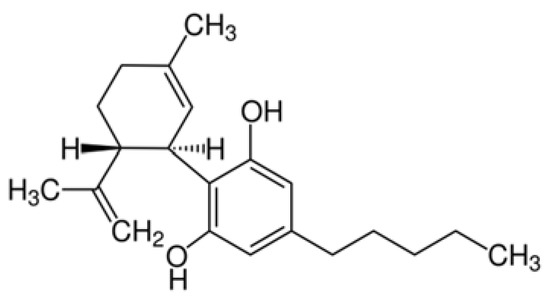
 “Significant growth of interest in cannabis (Cannabis sativa L.), especially its natural anti-inflammatory and antioxidative properties, has been observed recently. This narrative review aimed to present the state of the art of research concerning the anti-inflammatory activity of all classes of cannabinoids published in the last five years. Multimodal properties of cannabinoids include their involvement in immunological processes, anti-inflammatory, and antioxidative effects. Cannabinoids and non-cannabinoid compounds of cannabis proved their anti-inflammatory effects in numerous animal models. The research in humans is missing, and the results are unconvincing. Although preclinical evidence suggests cannabinoids are of value in treating chronic inflammatory diseases, the clinical evidence is scarce, and further well-designed clinical trials are essential to determine the prospects for using cannabinoids in inflammatory conditions.”
https://www.mdpi.com/1420-3049/26/15/4551
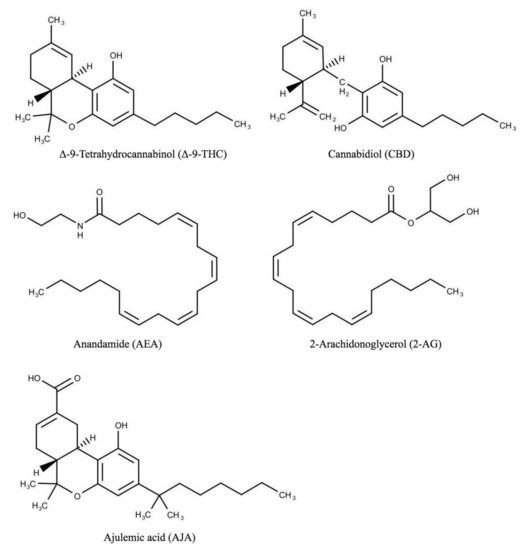
 “Myrcene (β-myrcene) is an abundant monoterpene which occurs as a major constituent in many plant species, including hops and cannabis. It is a popular flavouring and aroma agent (food additive) used in the manufacture of food and beverages. This review aims to report on the occurrence, biological and toxicological profile of β-myrcene. The main reported biological properties of β-myrcene-anxiolytic, antioxidant, anti-ageing, anti-inflammatory, analgesic properties-are discussed, with the mechanisms of activity. Here we also discuss recent data regarding the safety of β-myrcene. Overall, β-myrcene has shown promising health benefits in many animal studies. However, studies conducted in humans is lacking. In the future, there is potential for the formulation and production of non-alcoholic beers, functional foods and drinks, and cannabis extracts (low in THC) rich in β-myrcene.”
 “Proteins from hemp bran (HPB), a byproduct of the hemp seed food-processing chain, were chemically extracted, hydrolyzed by Alcalase, and separated by membrane ultrafiltration into four fractions (MW <1, 1-3, 3-5, and >5 kDa).
 “In recent decades, a lot of attention has been paid to Cannabis sativa L. due to its useful applications, including in fibers, oil, food for humans and animals, and therapeutics.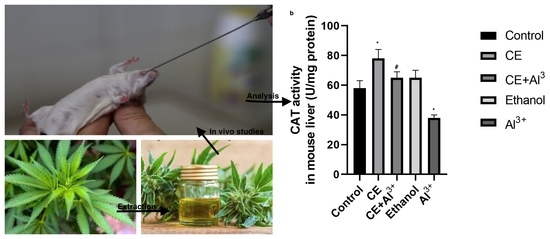
 “This study aimed to obtain and characterize extracted hemp oil enriched in cannabidiol (CBD) by decarboxylation of cannabidiolic acid (CBDA) and to give new insights into its antioxidant and anticancer effects.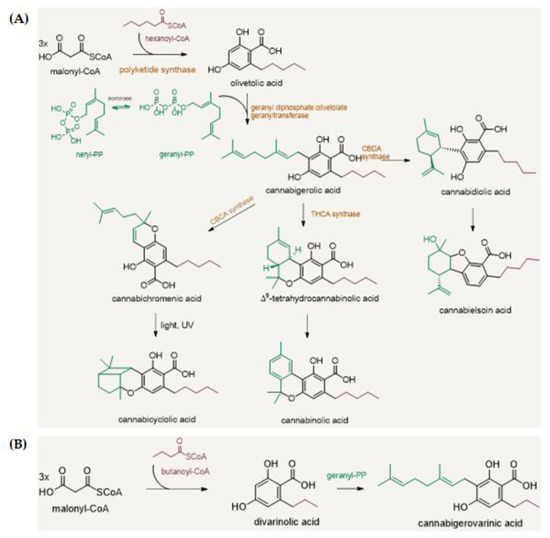
 “Positive effect of some cannabinoids in the treatment and prophylaxis of a wide variety of oxidation-associated diseases and growing popularity of supplements containing cannabinoids, mainly cannabinoid oils (e.g. CBD oil, CBG oil), in the self-medication of humans cause a growing interest in the antioxidant properties of these compounds, especially those not showing psychotropic effects.
  “The relevance and incidence of intestinal bowel diseases (IBD) have been increasing over the last 50 years and the current therapies are characterized by severe side effects, making essential the development of new strategies that combine efficacy and safety in the management of human IBD. Herbal products are highly considered in research aimed at discovering new approaches for IBD therapy and, among others,
  “As the major nonpsychotropic constituent of