Medical cannabis: the opportunity versus the temptation.

“The cannabis plant has been known to humanity for centuries as a remedy for pain, diarrhea, and inflammation. Current research has shown cannabis to be a useful remedy for many diseases, including multiple sclerosis, dystonia, and chronic pain.

 Cannabinoids are used to improve food intake in anorexia of AIDS patients and to prevent vomiting due to cancer chemotherapy. In inflammatory conditions cannabinoids improve pain in rheumatoid arthritis and pain and diarrhea in Crohn’s disease. Cannabinoids reduce the size of brain infarct and cardiac reperfusion injury. However, cannabinoid treatment is not free of side effects including euphoria, psychosis, anxiety, paranoia, dependence and abuse.

Since the cannabinoid system is involved in many physiological and pathological processes, the therapeutic potential is great. We must not be blind to the opportunity offered to us by medical cannabis just because it is an illicit drug, nor should we be temped by the quick response of patients to the central effect of cannabis. More research is warranted to explore the full potential of cannabis as medicine.”

http://www.ncbi.nlm.nih.gov/pubmed/22352284

Involvement of PPARγ in the antitumoral action of cannabinoids on hepatocellular carcinoma.

Logo of cddis “Cannabinoids exert antiproliferative effects in a wide range of tumoral cells, including hepatocellular carcinoma (HCC) cells. In this study, we examined whether the PPARγ-activated pathway contributed to the antitumor effect of two cannabinoids, Δ9-tetrahydrocannabinol (THC) and JWH-015, against HepG2 and HUH-7 HCC cells. Taken together, we demonstrate for the first time that the antiproliferative action of the cannabinoids THC and JWH-015 on HCC, in vitro and in vivo, are modulated by upregulation of PPARγ-dependent pathways.”  http://www.ncbi.nlm.nih.gov/pubmed/23640460

“The antitumor activity of cannabinoids against HCC cells has been related to the ability of these drugs to induce apoptosis and autophagy. In particular, it has been previously described that cannabinoids arrest cell proliferation, reduce cell migration and inhibit angiogenesis, and therefore, cannabinoid-like compounds offer a therapeutic potential for the treatment of many types of cancer.”  https://www.ncbi.nlm.nih.gov/pmc/articles/PMC3674350/

“We here illustrate that the cannabinoids THC and JWH-015 exert antitumor effect against the human HCC cell lines HepG2 and HUH-7 in vitro and in vivo through PPARγ.”  https://www.nature.com/articles/cddis2013141

Evaluation of anti-invasion effect of cannabinoids on human hepatocarcinoma cells.

“Cancer is a disease characterized by abnormal growth of cells. One of the most common types of liver cancers is called hepatocellular carcinoma (HCC) which is highly metastatic. As most of cannabinoids have shown anticancer effect against different cell lines in a number of reports, a biological investigation of two cannabinoids, CB65 (CB2 receptor agonist) and ACEA (CB1 receptor agonist) was carried out in this study.

In an attempt to find natural products as a new solution of cancer, this study was designed to investigate the potential antitumoral and anti-invasive activity of cannabinoids…

The results revealed that both cannabinoids reduce cell viability, cell invasion as well as MMP-2 and MMP-9 expression in higher dose of 20 nM. Furthermore, higher concentrations of examined cannabinoids were more effective.

These data suggest ACEA and CB65 as an option for novel treatment of hepatocellular cancer.

Our findings may contribute to design of new therapeutic strategies for the management of HCC.”

http://www.ncbi.nlm.nih.gov/pubmed/22978792

Overexpression of cannabinoid receptors CB1 and CB2 correlates with improved prognosis of patients with hepatocellular carcinoma.

“CB1 and CB2 are multifunctional cannabinoid-specific receptors considered to be involved in inhibition of tumor development…

To elucidate their roles in hepatocarcinogenesis, we analyzed the expression of these receptors in tumor and matched nontumorous tissues of human hepatocellular carcinoma (HCC) samples.

Our results indicate that CB1 and CB2 have potential as prognostic indicators and suggest possible beneficial effects of cannabinoids on prognosis of patients with HCC.”

http://www.ncbi.nlm.nih.gov/pubmed/17074588

Active Component Of Marijuana Has Anti-Cancer Effects, Study Suggests

“Guillermo Velasco and colleagues, at Complutense University, Spain, have provided evidence that suggests that cannabinoids such as the main active component of marijuana (THC) have anticancer effects on human brain cancer cells.

In the study, THC was found to induce the death of various human brain cancer cell lines and primary cultured human brain cancer cells by a process known as autophagy.

Consistent with the in vitro data, administration of THC to mice with human tumors decreased tumor growth and induced the tumor cells to undergo autophagy. As analysis of tumors from two patients with recurrent glioblastoma multiforme (a highly aggressive brain tumor) receiving intracranial THC administration showed signs of autophagy, the authors suggest that cannabinoid administration may provide a new approach to targeting human cancers.”  http://www.sciencedaily.com/releases/2009/04/090401181217.htm

“Cannabinoid action induces autophagy-mediated cell death through stimulation of ER stress in human glioma cells” https://www.jci.org/articles/view/37948


A tale of two cannabinoids: the therapeutic rationale for combining tetrahydrocannabinol and cannabidiol.

“This study examines the current knowledge of physiological and clinical effects of tetrahydrocannabinol (THC) and cannabidiol (CBD) and presents a rationale for their combination in pharmaceutical preparations. Cannabinoid and vanilloid receptor effects as well as non-receptor mechanisms are explored, such as the capability of THC and CBD to act as anti-inflammatory substances independent of cyclo-oxygenase (COX) inhibition.

CBD is demonstrated to antagonise some undesirable effects of THC including intoxication, sedation and tachycardia, while contributing analgesic, anti-emetic, and anti-carcinogenic properties in its own right.

In modern clinical trials, this has permitted the administration of higher doses of THC, providing evidence for clinical efficacy and safety for cannabis based extracts in treatment of spasticity, central pain and lower urinary tract symptoms in multiple sclerosis, as well as sleep disturbances, peripheral neuropathic pain, brachial plexus avulsion symptoms, rheumatoid arthritis and intractable cancer pain. Prospects for future application of whole cannabis extracts in neuroprotection, drug dependency, and neoplastic disorders are further examined.

The hypothesis that the combination of THC and CBD increases clinical efficacy while reducing adverse events is supported.”

http://www.ncbi.nlm.nih.gov/pubmed/16209908

Antitumor Effects of THC.

“1-Trans-[delta.sup.9]-tetrahydrocannabinol (THC) the main active component of marijuana, has been shown to exhibit anticancer activity.

Galve-Roperh et al. reported that intratumoral administration of THC induces apoptosis of transformed neural cells in culture, and also induces a considerable regression of malignant gliomas in Wistar rats and in mice… These authors suggest that their “results may provide the basis for a new therapeutic approach for the treatment of malignant gliomas.”

Thus, in our studies, rats and mice that received THC for 2 years exhibited body weight reductions, enhanced survival rates, and decreased tumor incidences in several sites, mainly organs under hormonal control.

These earlier experimental carcinogenesis results on THC clearly lend further validity to the notion that cannabinoids may indeed be anticarcinogenic.”

http://www.thefreelibrary.com/Antitumor+Effects+of+THC.-a068148345

“Antitumor effects of THC.” http://www.ncbi.nlm.nih.gov/pubmed/11097557

Cannabis tea revisited: a systematic evaluation of the cannabinoid composition of cannabis tea.

“Cannabis is one of the oldest known medicinal plants, and a large variety of biological activities have been described. The main constituents, the cannabinoids, are thought to be most important for these activities. Although smoking of cannabis is by far the most common way of consumption, a significant part of medicinal users consume it in the form of a tea.

However, not much is known about the composition of cannabis tea, or the effect of different parameters during preparation, handling or storage. In this study we used the high-grade cannabis available in Dutch pharmacies to study the cannabinoid composition of tea under standardized and quantitative conditions. Experimental conditions were systematically varied in order to mimic the possible variations made by medicinal users.

During analysis there was a specific focus on the cannabinoid tetrahydrocannabinol and its acidic precursor, tetrahydrocannabinolic acid. Also the role of non-psychoactive cannabinoids as components of cannabis tea are discussed.

The results obtained in this study provide a clear quantitative insight in the phytochemistry of cannabis tea preparation and can contribute to a better appreciation of this mode of cannabis administration.”

http://www.ncbi.nlm.nih.gov/pubmed/17604926 

Cannabis Treats Cancer and Epilepsy

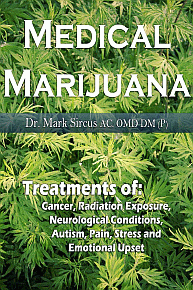
Description: Medical Marijuana

Dr. Mark Sircus, Ac., OMD, DM (P)

Director International Medical Veritas Association

Doctor of Oriental and Pastoral Medicine

Dr. Sean McAllister and Pierre Desprez claim they’ve successfully used cannabidiol to fight animal genes involved in the spread of cancer. “We found this one compound had a specific effect on metastatic cancer cells, very aggressive tumor cells,” McAllister says. Cannabidiol, the research appears to show, helps shut down receptors that inhibit cancerous cells from metastasizing.  “We find when you treat with cannabidiol, you down regulate the expression of this protein, and that inhibits the disease process.” Unlike THC, the ingredient in marijuana that makes you feel stoned, cannabidiol is a non-toxic compound of the plant that has no psychoactive qualities.

I already published that marijuana is the best medicine for 3-year-old Cash Hyde of Missoula, Montana. The boy’s parent’s defied doctor’s orders—and Montana law—to get their hands on the medicinal treatment their son needed after he was diagnosed with recurring brain tumors at 22 months old. “I’ve had law enforcement threatening to kick my door down, but I would have done anything to keep Cashy alive,” said Mike Hyde, who has long been a proponent of the drug, told ABCNews.com.

My book on Medical Marijuana goes into the research from around the globe, including from Harvard University that sustains the conclusions of doctors McAllister and Desprez.

Dixie Botanicals is shipping Cannabidiol from Denver Colorado to all fifty states though of course one can grow marijuana oneself and or use regular marijuana strains if one lives in one of the now fifteen states that has made medical marijuana legal.

I take great exception to the Obama administration that has continued to resist the legalization on a federal level of medical marijuana. They still insist that there is no medical use for marijuana when all the science proves the government to be dead wrong. They hunt the world for terrorists but some of the worst live and work right in Washington DC. Terrorists are people who hurt others and I do not see the difference between those who use guns and those who use drugs or deny the population the natural substances they need to be well.

Of course marijuana is extremely effective for other diseases. The most recent I have read about: Medical pot treats boy’s epilepsy, without getting him high. The little boy has been swallowing droppers full of a solution made mostly of cannabidiol, or CBD, the second most prominent of marijuana’s 100 or so cannabinoids. Unlike the dominant THC, cannabidiol is not psychoactive, so the sweet-tasting infusion Jayden takes four times a day doesn’t make him high.

Down from 22 prescription pills per day to four, he now eats solid food, responds to his father’s incessant requests for kisses and dances in his Modesto living room to the “Yo Gabba Gabba!” theme song. The frequency and intensity of his seizures have been greatly reduced.

CBD was virtually bred out of U.S. plants decades ago by growers whose customers preferred the mind-altering properties of high-THC varietals. Yet it is experiencing a resurgence, having shown promise as an anti-inflammatory, anticonvulsant, neuroprotectant and cancer-fighting agent.

Studies have shown THC is “overwhelmingly anticonvulsant” in animals, said Dr. Ben Whalley, a researcher at Britain’s University of Reading, but CBD and some other non-psychoactive cannabinoids have shown similar effects without the mind-altering downside.”

http://drsircus.com/medicine/cancer/cannabis-treats-cancer-and-epilepsy#utm_source=Dr+Sircus+Newsletter&utm_campaign=820775ef59-Article_045&utm_medium=email

Cannabinoid Inhibition of Macrophage Migration to the Trans-Activating (Tat) Protein of HIV-1 Is Linked to the CB2 Cannabinoid Receptor

“Macrophage-like cells are primary targets for infection by HIV-1…  In the present study, the exogenous cannabinoids δ-9-tetrahydrocannabinol (THC) and (−)-cis-3-[2-hydroxy-4-(1,1-dimethylheptyl)phenyl]-trans-4-(3-hydroxypropyl) cyclohexanol (CP55940) were shown to significantly inhibit migration of human U937 macrophage-like cells to the Tat protein in a concentration-related manner….

Collectively, the pharmacological and biochemical knockdown data indicate that cannabinoid-mediated modulation of macrophage migration to the HIV-1 Tat protein is linked to the CB2 cannabinoid receptor. Furthermore, these results suggest that the CB2 cannabinoid receptor has potential to serve as a therapeutic target for ablation of HIV-1-associated untoward inflammatory response…

,,, the CB2 receptor has the potential to serve as a molecular target for ablating hyperinflammatory responses of macrophage-like cells while avoiding untoward psychotropic effects caused by activation of the CB1 receptor.

 In conclusion, the immunosuppressive and anti-inflammatory properties of select cannabinoids may have profound therapeutic potential in moderating HIV-associated immunopathology, including microglial activation, chemokine/cytokine dysregulation, and monocyte infiltration in the CNS.”

Full text: http://www.ncbi.nlm.nih.gov/pmc/articles/PMC2846023/