
 “(E)-β-caryophyllene (BCP) is a bicyclic sesquiterpene widely distributed in the plant kingdom, where it contributes a unique aroma to essential oils and has a pivotal role in the survival and evolution of higher plants.
Recent studies provided evidence for protective roles of BCP in animal cells, highlighting its possible use as a novel therapeutic tool.
Experimental results show the ability of BCP to reduce pro-inflammatory mediators such as tumor necrosis factor-alfa (TNF-α), interleukin-1β (IL-1β), interleukin-6 (IL-6), nuclear factor kappa-light-chain-enhancer of activated B cells (NF-κB), thus ameliorating chronic pathologies characterized by inflammation and oxidative stress, in particular metabolic and neurological diseases.
Through the binding to CB2 cannabinoid receptors and the interaction with members of the family of peroxisome proliferator-activated receptors (PPARs), BCP shows beneficial effects on obesity, non-alcoholic fatty liver disease/nonalcoholic steatohepatitis (NAFLD/NASH) liver diseases, diabetes, cardiovascular diseases, pain and other nervous system disorders.
This review describes the current knowledge on the biosynthesis and natural sources of BCP, and reviews its role and mechanisms of action in different inflammation-related metabolic and neurologic disorders.”
https://pubmed.ncbi.nlm.nih.gov/33114564/
https://www.mdpi.com/2072-6643/12/11/3273
“β-caryophyllene (BCP) is a common constitute of the essential oils of numerous spice, food plants and major component in Cannabis.” http://www.ncbi.nlm.nih.gov/pubmed/23138934
 “Industrial hemp (Cannabis sativa L., Cannabaceae) is an ancient cultivated plant originating from Central Asia and historically has been a multi-use crop valued for its fiber, food, and medicinal uses. Various oriental and Asian cultures kept records of its production and numerous uses.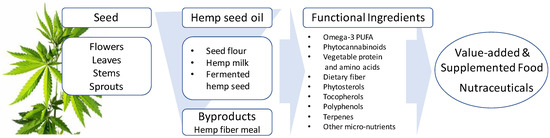
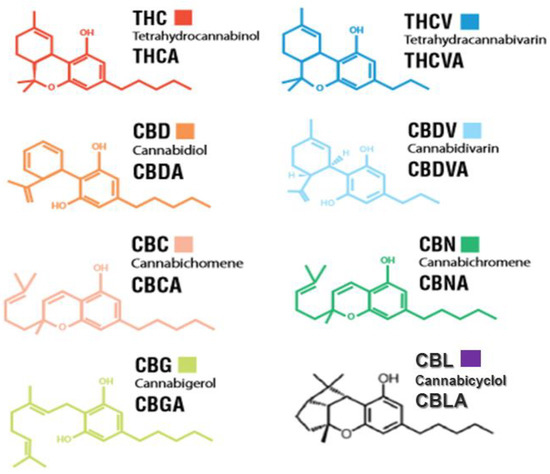
 “Hemp (Cannabis sativa) is an angiosperm plant belonging to the Cannabaceae family. Its cultivation dates back to centuries. It has always been cultivated due to the possibility of exploiting almost all the parts of the plant: paper, fabrics, ropes, bio-compounds with excellent insulating capacity, fuel, biodegradable plastic, antibacterial detergents, and food products, such as flour, oils, seeds, herbal teas, and beer, are indeed obtained from hemp.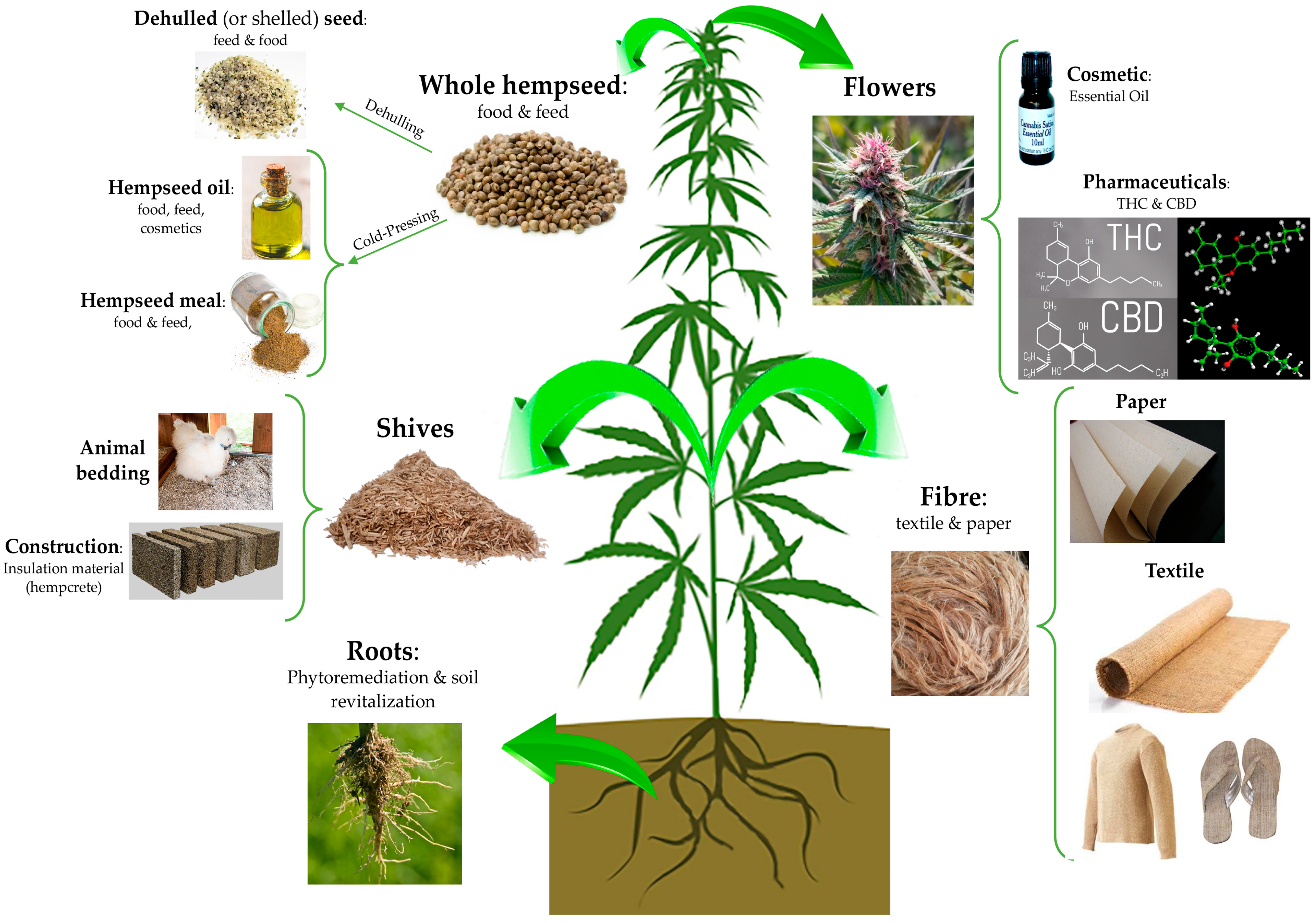
 “Historical relevance: Cannabis sativa L. (C. sativa) is a plant whose use as a therapeutic agent shares its origins with the first Far East’s human societies. Cannabis has been used not only for recreational purposes, but as a food to obtain textile fibers, to produce hemp paper, to treat many physical and mental disorders.
 “Cannabis sativa is an aromatic annual flowering plant with several botanical varieties, used for different purposes, like the production of fibers, the production of oil from the seeds, and especially for recreational or medical purposes.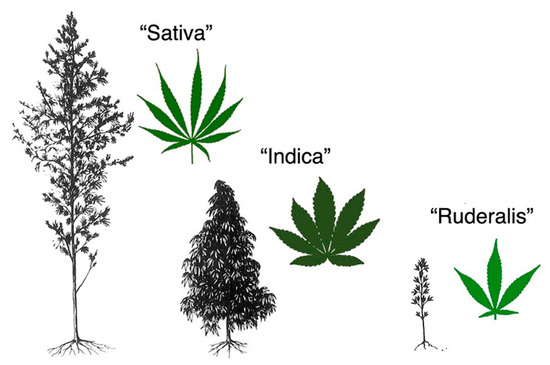

 “Age-related cognitive decline has been associated with proinflammatory cytokines, yet the precise relationship between cognitive decline and cytokine load remains to be elucidated. β-caryophyllene (BCP) is a cannabinoid receptor 2 (CB2) agonist with established anti-inflammatory effects that is known to improve memory and increase lifespan. It is of interest to explore the potential of BCP to reduce age-related cognitive decline and proinflammatory cytokine load. In this study, we assessed changes in circulating cytokines across the lifespan, memory performance in young and aged mice, and the effects of BCP on memory function and cytokine load. The plasma levels of 12 cytokines were assessed in male Swiss-Webster mice at 3, 12, and 18 months of age using multiplexed flow cytometry. Working memory was compared in 3 and 12 month-old mice using spontaneous alternations. A dose-response function (100-300 mg/kg, subchronic administration) for BCP-induced memory restoration was determined in 3 and 12 month-old mice. Finally, the effects on cytokine levels of the peak memory enhancing dose of BCP was assessed in 18 month-old mice. Circulating levels of several cytokines significantly increased with age. Multilinear regression analysis showed that IL-23 levels were most strongly associated with age. Aged mice showed deficits in working memory and higher levels of IL-23, both of which were reversed by BCP treatment. BCP appears to reverse age-associated impairments in memory and modulates cytokine production. IL-23 may play a significant role in the aging process, and future research should determine whether it has utility as a biomarker for novel anti-aging therapeutics.”
 “Neuropathic pain (NP) is associated with chronic hyperglycemia and emotional disorders such as depression in diabetic patients, complicating the course of treatment. Drugs currently used to treat NP have undesirable side effects, so research on other natural sources has been required.