
 “Cannabis sativa is a well-known plant which has been of benefit since ancient times in several medicinal systems, including Chinese, Indian, Greek and Egyptian ones.
Although C. sativa is one of the most investigated medicinal plants in the world, it faces the most controversial of issues for its legalization as a medication. C. sativa contains several hundreds of phytoconstituents including the infamous «cannabinoid.” It is necessary to properly understand the medicinal importance of these phytochemicals and spread awareness among the countries where it’s still facing legal complexities.
The current review is focusing on most recent literature pertaining to the various applications of cannabinoids with a special focus on medicinal aspect of the phytochemicals. Peer reviewed articles focusing on the importance of cannabis and cannabinoids were the target of this review. Articles were selected based on the relevance to the general scope of the work i.e. application of cannabinoids.
Cannabinoids can truly be regarded as wonder drug keeping their immense diversity of usage but unfortunately, many of the mares never researched biologically or pharmacologically due to their low yield in the plant. However, the approval of some cannabinoids by the FDA (along with other recognized national medical health systems) has opened the horizons for the explicit use of these natural drugs in medicines such as Epidiolex® (cannabidiol used for the treatment of severe forms of epilepsy) and Sativex®(‘Δ9 -tetrahydrocannabinol and cannabidiol’ used for the treatment of spasticity caused by multiple sclerosis, aka: MS.)
Many pharmacological properties of C. sativa are attributed to cannabidiol (CBD), a non-psychoactive component, along with Δ9 -tetrahydrocannabinol (Δ9 -THC), a psychoactive component. This review addresses the most important application or current utilization of cannabinoids in a variety of treatments such as: chronic pain, cancer, emesis, anorexia, irritable bowel syndrome, communicative diseases, glaucoma and central nervous system disorders. The biosynthetic pathway of cannabinoids is also discussed. In short, this plant has a myriad of bioactive compounds which have the potential to increase the list of approved cannabinoids suitable for therapy.”
 “Salicylic acid (SA) is a plant hormone which plays a crucial role in the plant defense against various pathogens and abiotic stresses. Increasing reports suggest that this phenolic compound and its derivatives, collectively termed salicylates, not only regulate plant defense but also have beneficial effects on human health. Both natural and synthetic salicylates are known to have multiple targets in humans, thereby exhibiting various appreciating pharmacological roles, including anti-inflammatory, anticancer, neuroprotective, antidiabetic effects, and so on. The role of some salicylates, such as acetylsalicylic acid (aspirin), 5-aminosalicylic acid (mesalazine), and amorfrutins in human diseases has been well studied in vitro. However, their clinical significance in different diseases is largely unknown. Based on recent studies, five natural salicylates, including amorfrutin, ginkgolic acid, grifolic acid, tetrahydrocannabinolic acid, and cannabidiolic acid, showed potential roles in different challenging human diseases. This review summarizes together some of the recent information on multitarget regulatory activities of these natural salicylates and their pharmacological roles in human health.”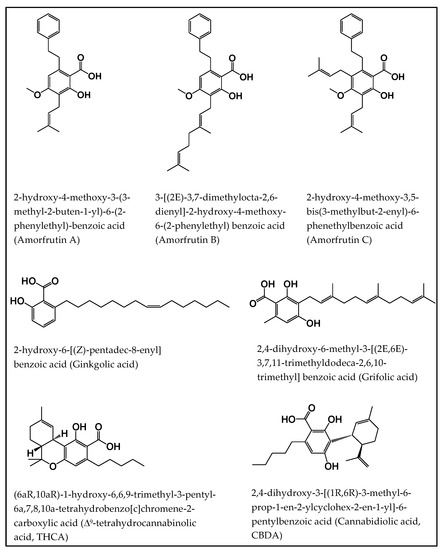
 “UV radiation is a well-established environmental risk factor known to cause oxidative stress and disrupt the metabolism of keratinocyte phospholipids. Cannabidiol (CBD) is a phytocannabinoid with anti-inflammatory and antioxidant effects.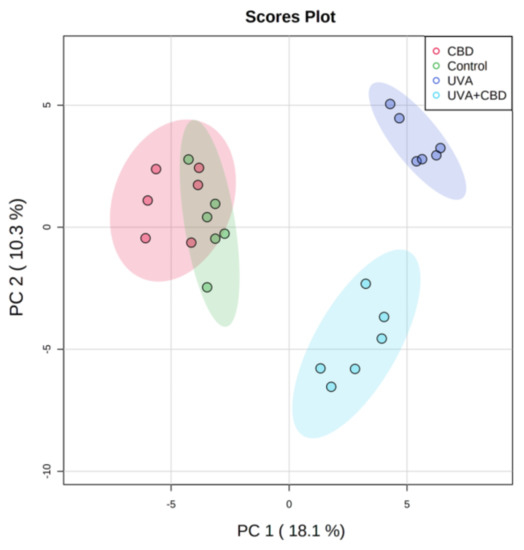
 “Low tetrahydrocannabinol Cannabis sativa products, also known as hemp products, have become widely available and their use in veterinary patients has become increasingly popular. Despite prevalence of use, the veterinary literature is lacking and evidence-based resource for cannabinoid efficacy.
 “Cannabis has long been used for healing and recreation in several regions of the world. Over 400 bioactive constituents, including more than 100 phytocannabinoids, have been isolated from this plant. The non-psychoactive cannabidiol (CBD) and the psychoactive Δ9-tetrahydrocannabinol (Δ9-THC) are the major and widely studied constituents from this plant.
 “Cannabidiol (CBD) has anti-tumorigenic activity. However, the anti-cancer effect of CBD on head and neck squamous cell carcinoma (HNSCC) remains unclear. The cytotoxicity of CBD on HNSCC was analyzed using cell survival and colony-forming assays in vitro.
 “The potential therapeutic use of some Cannabis sativa plant compounds has been attracting great interest, especially for managing neuropsychiatric disorders due to the relative lack of efficacy of the current treatments.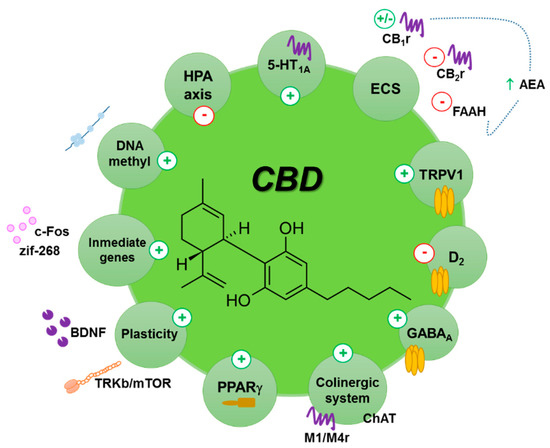
 “Little is known about the patients’ view on treatment with medical cannabis (MC) for Parkinson’s disease (PD).
 “With the current COVID-19 pandemic, caused by the severe acute respiratory syndrome coronavirus 2 (SARS-CoV-2), there is an urgent need for new therapies and prevention strategies that can help curtail disease spread and reduce mortality.
 “Background: Frontotemporal dementia (FTD) is characterized by progressive deterioration in behaviors, executive function and/or language. The behavioral variant (Bv) is characterized by disinhibition and obsessive/compulsive behaviors. These symptoms are sometimes resistant to medications. This series examines patients suffering with treatment-resistant Bv-FTD who were prescribed cannabinoid and related compounds for other indications.