
 “The prevalence of Clostridioides difficile Infection (CDI), the most notorious hospital acquired disease, and of excessive cannabis use (cannabis use disorder (CUD)) have both been steadily rising.
Although cannabidiol, an active ingredient of cannabis, maintains gut integrity and suppresses entero-toxins from Clostridioides difficile, the relationship between CUD and CDI has not been studied.
RESULTS:
Among the matched hospitalizations (n = 59,824), cannabis usage was associated with a reduced prevalence of CDI (prevalence: 455.5 [95% CI: 385.1-538.8] vs. 636.4 [95% CI: 549.9-736.5] per 100,000 hospitalizations), resulting in a 28% reduced risk of CDI (relative risk: 0.72 [95% CI: 0.58-0.88]; p = 0002). Non-dependent and dependent CUD respectively had 23% and 80% reduced likelihood of CDI when compared to non-cannabis users (0.77 [95% CI: 0.60-0.95] and 0.20 [95% CI: 0.06-0.54]; p < 0.05). Furthermore, dependent users had less risk of CDI compared to non-dependent users (0.26 [95% CI: 0.08-0.88]; p = 0.01).
CONCLUSIONS:
CUD was associated with a decreased risk of CDI amongst hospitalized patients. Prospective and molecular mechanistic studies are required to elucidate how cannabis and its contents impacts CDI.”
https://www.ncbi.nlm.nih.gov/pubmed/31493498
“Cannabis use was associated with diminished risk of Clostridioides difficile (CDI) amongst hospitalized individuals. Dependent Cannabis users seemed to be the most protected from CDI.” https://www.sciencedirect.com/science/article/pii/S1075996419301556?via%3Dihub
 “Treatment of spasticity poses a major challenge in amyotrophic lateral sclerosis (ALS) patient management.
 “Mood disorders are the most prevalent mental conditions encountered in psychiatric practice. Numerous patients suffering from mood disorders present with treatment-resistant forms of depression, co-morbid anxiety, other psychiatric disorders and bipolar disorders.
 “Much of the initial reports for
  “Cannabidiol (CBD) oils are low tetrahydrocannabinol products derived from
  “Phytocannabinoids are unique terpenophenolic compounds predominantly produced in the glandular trichomes of the cannabis plant (Cannabis sativa L.). The delta-9- tetrahydrocannabinol (THC) is the main active constituent responsible for the plant’s psychoactive effect and, together with the non- psychoactive cannabidiol (CBD), the most investigated naturally occurring cannabinoid.
 “Accumulating evidence points towards the antipsychotic potential of
 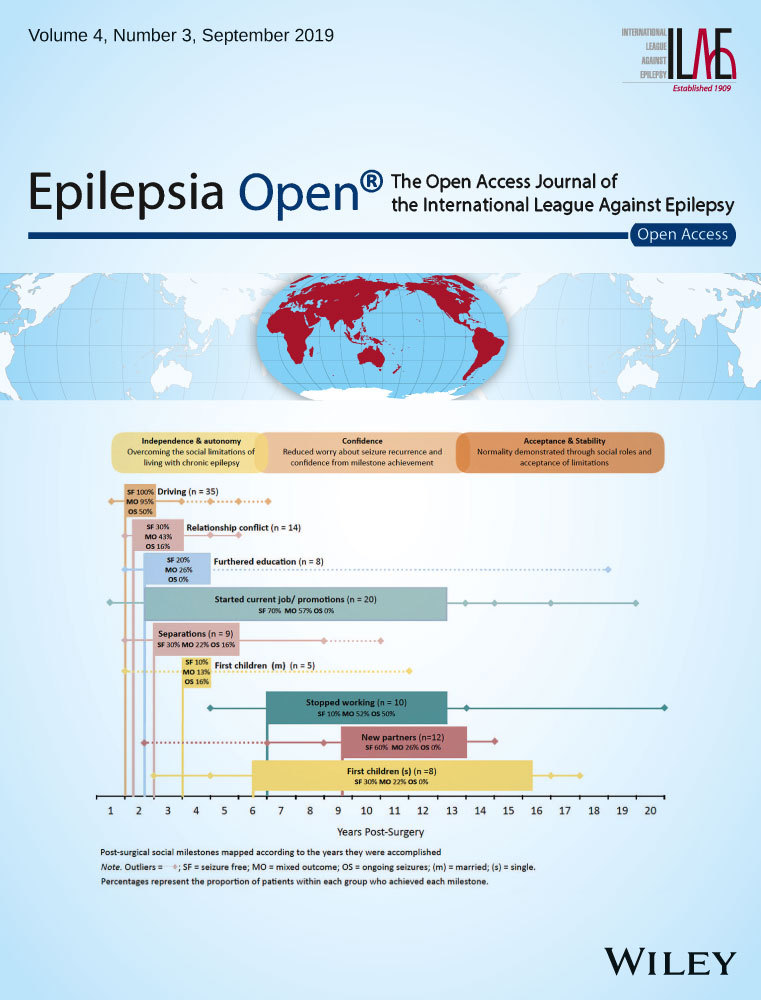 “C57BL/6J mice infected with Theiler’s murine encephalomyelitis virus (TMEV) develop acute behavioral seizures in the first week of infection and later develop chronic epilepsy. The TMEV model provides a useful platform to test novel antiseizure therapeutics.
 “Mixtures of different Cannabis sativa phytocannabinoids are more active biologically than single phytocannabinoids. However, cannabis terpenoids as potential instigators of phytocannabinoid activity have not yet been explored in detail.