Compounds in cannabis could limit stroke damage

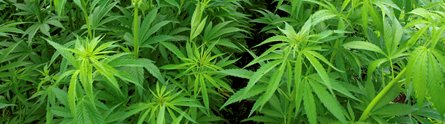
A cannabis plant

“Chemical compounds found in cannabis may help to reduce brain damage following a stroke, new research has revealed.

 Researchers at the University of Nottingham conducted a meta-analysis of experimental studies into cannabinoids; chemicals related to those found in cannabis, some of which also occur naturally in the body. The findings showed that the compounds could reduce the size of stroke and improve neurological function.
Cannabinoids can be classified into those found naturally in the body (endocannabinoids), those made artificially (synthetic cannabinoids) or those derived from extracts from the plant cannabis sativa (phytocannabinoids).”

Marijuana & Stroke: Pot Compounds Protect Brain, New Meta-Study Shows

“Cannabinoids, chemicals related to those found in cannabis could be effective in restoring neurological function by shrinking the area of the brain affected by stroke, according to a new study led by Dr. Tim England, Honorary Consultant Stroke Physician at the University of Nottingham and Royal Derby Hospital.

Stroke, a leading cause of adult disability in the UK leaves over half of all survivors dependent on others for life. Over one million people are living with the effects of stroke and it is reported that in the UK alone, over 150,000 people have a stroke every year. Finding new treatments to help survivors recover quickly has never been more important.

The authors examined 94 studies evaluating the effects of cannabinoids on 1022 mice, monkeys, and male rats. Cannabinoids can be classified into endocannabinoids that occur naturally in the body, phytocannabinoids that are obtained from plant extracts, and synthetic cannabinoids.

A meta-analysis of experimental studies conducted by the researchers at the University of Nottingham identifies the potential of all three categories of these compounds potential to reduce brain damage caused by stroke and help improve brain function after an attack.

The U.S. government sought a patent in 2001 for the naturally occuring marijuana molecule, cannabidiol, for use as a brain protector during stroke. ”

http://blog.sfgate.com/smellthetruth/2013/12/11/marijuana-stroke-pot-compounds-protect-brain-new-meta-study-shows/

Activation of cannabinoid 2 receptors protects against cerebral ischemia by inhibiting neutrophil recruitment

Figure 1.

“THE CONSEQUENCES OF ISCHEMIC INJURY in liver, heart, and brain can be ameliorated by cannabinoids, a group of diverse compounds that include constituents of the plant Cannabis sativa (phytocannabinoids), endogenous lipids (endocannabinoids), and synthetic substances. Most of the effects of cannabinoids are mediated by the G-protein-coupled receptors cannabinoid receptor 1 (CB1) and cannabinoid receptor 2 (CB2)… 

Cannabinoids protect against ischemic stroke…

Activation of the cannabinoid 2 receptor (CB2) reduces ischemic injury in several organs…

In conclusion, our data demonstrate that by activating p38 in neutrophils, CB2 agonists inhibit neutrophil recruitment to the brain and protect against ischemic brain injury.”

http://www.fasebj.org/content/24/3/788.long

Cannabis compounds may limit stroke damage

“Chemical compounds found in cannabis may help to reduce brain damage following a stroke, new research has revealed.

Researchers at the University of Nottingham conducted a meta-analysis of experimental studies into cannabinoids; chemicals related to those found in cannabis, some of which also occur naturally in the body.

The findings showed that the compounds could reduce the size of stroke and improve .

Cannabinoids can be classified into those found naturally in the body (endocannabinoids), those made artificially (synthetic cannabinoids) or those derived from extracts from the plant cannabis sativa (phytocannabinoids).

The research, announced at the annual UK Stroke Forum, indicates that all three classes of cannabinoid could be effective in shrinking the area of the brain affected by stroke and in recovering neurological function.”

http://healthmedicinet.com/i/cannabis-compounds-may-limit-stroke-damage/

Cannabinoid receptor 2: potential role in immunomodulation and neuroinflammation.

Figure 2

“The cannabinoids are a group of terpenophenolic compounds present in the marijuana plant, Cannabis sativa. At present, three general types of cannabinoids have been identified: phytocannabinoids present uniquely in the cannabis plant, endogenous cannabinoids produced in humans and animals, and synthetic cannabinoids generated in a laboratory. It is worth noting that Cannabis sativa produces over 80 cannabinoids…

An accumulating body of evidence suggests that endocannabinoids and cannabinoid receptors type 1 and 2 (CB(1), CB(2)) play a significant role in physiologic and pathologic processes, including cognitive and immune functions.

…there is growing appreciation of the therapeutic potential of cannabinoids in multiple pathologic conditions involving chronic inflammation (inflammatory bowel disease, arthritis, autoimmune disorders, multiple sclerosis, HIV-1 infection, stroke, Alzheimer’sdisease to name a few), mainly mediated by CB(2) activation.

This review attempts to summarize recent advances in studies of CB(2) activation in the setting of neuroinflammation, immunomodulation and HIV-1 infection.

The full potential of CB2 agonists as therapeutic agents remains to be realized.

Despite some inadequacies of preclinical models to predict clinical efficacy in humans and differences between the signaling of human and rodent CB2 receptors, the development of selective CB2 agonists may open new avenues in therapeutic intervention.

Such interventions would aim at reducing the release of pro-inflammatory mediators particularly in chronic neuropathologic conditions such as HAND or MS.”

http://www.ncbi.nlm.nih.gov/pmc/articles/PMC3663904/


Cannabinoid Modulation of Neuroinflammatory Disorders

Table 1.

Cannabis sativa is a herb belonging to the Cannabaceae family, characterized by palmate leaves and numerous fibers. Its first record as a medicine dates back to 5000 years ago and it was found in China, where cannabis was used for a myriad of purposes and diseases, including malaria, neuropathic pain, nausea, sexual dysfunction and constipation.

The use of cannabis spread from Central Asia and deeply influenced Indian folk medicine. However, sedative and psychotropic effects of cannabis turned it into a recreational drug. This fact resulted in discrimination against the consumption of the cannabis plant and its derivatives, which delayed the scientific findings in this field…

In recent years, a growing interest has been dedicated to the study of the endocannabinoid system. The isolation of Cannabis sativa main psychotropic compound, Δ(9)-tetrahydrocannabinol (THC), has led to the discovery of an atypical neurotransmission system that modulates the release of other neurotransmitters and participates in many biological processes, including the cascade of inflammatory responses.

In this context, cannabinoids have been studied for their possible therapeutic properties in neuroinflammatory diseases. In this review, historic and biochemical aspects of cannabinoids are discussed, as well as their function as modulators of inflammatory processes and therapeutic perspectives for neurodegenerative disorders, particularly, multiple sclerosis.

Cannabinoid compounds may be extracted from the plant (phytocannabinoids) or be artificially obtained (synthetic cannabinoids)…

To date, it is still impossible to prove or rule out all benefits of cannabis described empirically by ancient herbal practitioners. For now, science aims to understand how cannabinoid compounds are associated with neuroinflammation and how cannabis-based medicine can help millions of patients worldwide.”

 http://www.ncbi.nlm.nih.gov/pmc/articles/PMC3386505/

The case for assessing cannabidiol in epilepsy.

“Intractable epilepsies have an extraordinary impact on cognitive and behavioral function and quality of life, and the treatment of seizures represents a challenge and a unique opportunity. Over the past few years, considerable attention has focused on cannabidiol (CBD), the major nonpsychotropic compound of Cannabis sativa.

Basic research studies have provided strong evidence for safety and anticonvulsant properties of CBD. However, the lack of pure, pharmacologically active compounds and legal restrictions have prevented clinical research and confined data on efficacy and safety to anecdotal reports.

Pure CBD appears to be an ideal candidate among phytocannabinoids as a therapy for treatment-resistant epilepsy.

A first step in this direction is to systematically investigate the safety, pharmacokinetics, and interactions of CBD with other antiepileptic drugs and obtain an initial signal regarding efficacy at different dosages. These data can then be used to plan double-blinded placebo-controlled efficacy trials.”

http://www.ncbi.nlm.nih.gov/pubmed/24854434

http://www.thctotalhealthcare.com/category/epilepsy-2/

The case for medical marijuana in epilepsy.

“Charlotte, a little girl with SCN1A-confirmed Dravet syndrome, was recently featured in a special that aired on CNN. Through exhaustive personal research and assistance from a Colorado-based medical marijuana group (Realm of Caring), Charlotte’s mother started adjunctive therapy with a high concentration cannabidiol/Δ9 -tetrahydrocannabinol (CBD:THC) strain of cannabis, now known as Charlotte’s Web. This extract, slowly titrated over weeks and given in conjunction with her existing antiepileptic drug regimen, reduced Charlotte’s seizure frequency from nearly 50 convulsive seizures per day to now 2-3 nocturnal convulsions per month. This effect has persisted for the last 20 months, and Charlotte has been successfully weaned from her other antiepileptic drugs. We briefly review some of the history, preclinical and clinical data, and controversies surrounding the use of medical marijuana for the treatment of epilepsy, and make a case that the desire to isolate and treat with pharmaceutical grade compounds from cannabis (specifically CBD) may be inferior to therapy with whole plant extracts. Much more needs to be learned about the mechanisms of antiepileptic activity of the phytocannabinoids and other constituents of Cannabis sativa.”

http://www.ncbi.nlm.nih.gov/pubmed/24854149

“Marijuana stops child’s severe seizures”  http://www.cnn.com/2013/08/07/health/charlotte-child-medical-marijuana/

http://www.thctotalhealthcare.com/category/dravet-syndome/

The yin and yang of cannabis-induced psychosis: the actions of Δ(9)-tetrahydrocannabinol and cannabidiol in rodent models of schizophrenia.

“There is substantial epidemiological evidence showing that cannabis increases the risk of psychosis, whereas other research suggests that schizophrenia patients self-medicate with the substance. These conflicting accounts may at least be partially explained by the two phytocannabinoids cannabidiol (CBD) and Δ(9)-tetrahydrocannabinol (THC) and their opposing actions on schizophrenia-related symptoms.

…propsychotic actions of THC… antipsychotic actions of CBD.

…animal studies… showing that CBD antagonises the neurobehavioural effects of THC, while others show the opposite, that CBD potentiates the actions of THC.

Various mechanisms are put forth to explain these divergent effects such as CBD antagonism at central CB1 receptors…”

…the present study suggests a beneficial property of a direct cannabinoid receptor agonist… and of CBD…”

http://www.ncbi.nlm.nih.gov/pubmed/22716133

http://www.thctotalhealthcare.com/category/schizophrenia/

Plant-derived cannabinoids modulate the activity of transient receptor potential channels of ankyrin type-1 and melastatin type-8.

“… we have reported here for the first time the potent and efficacious modulatory effects by some phytocannabinoids on TRPA1- and TRPM8-mediated [Ca2+]ielevation…

Our findings suggest that phytocannabinoids and cannabis extracts exert some of their pharmacological actions also by interacting with TRPA1 and TRPM8 channels, with potential implications for the treatment of pain and cancer.”

http://jpet.aspetjournals.org/content/325/3/1007.long