
 “A large body of evidence suggests that dietary n-3 polyunsaturated fatty acids (PUFAs), including eicosapentaenoic acid (EPA) and docosahexaenoic acid (DHA), contribute to a reduced inflammatory tone thereby lowering the risk for several chronic and degenerative diseases. Different mechanisms have been proposed to explain these anti-inflammatory effects, including those involving endocannabinoids and endocannabinoid-like molecules.
In this context, fatty acid amides (FAAs), conjugates of fatty acids with amines or amino acids, are an emerging class of compounds. Dopamine conjugates of DHA (N-docosahexaenoyl dopamine, DHDA) and EPA (N-eicosapentaenoyl dopamine, EPDA) have previously been shown to induce autophagy, apoptosis, and cell death in different tumor lines. Additionally, DHDA has displayed anti-inflammatory properties in vitro.
Here, we tested the immune-modulatory properties of EPDA in mouse RAW 264.7 and human THP-1 macrophages stimulated with lipopolysaccharide (LPS). EPDA suppressed the production of monocyte chemoattractant protein-1 (MCP-1), and interleukin-6 (IL-6) in both cell lines, and nitric oxide (NO), and macrophage-inflammatory protein-3α (MIP3A) in RAW 264.7 macrophages. At a transcriptional level, EPDA attenuated cyclooxygenase-2 (COX-2) expression in both cell lines and that of MCP-1, IL-6, and interleukin-1β (IL-1β) in THP-1 macrophages.
Although further research is needed to reveal whether EPDA is an endogenous metabolite, our data suggest that this EPA-derived conjugate possesses interesting immune-modulating properties.”
 “In modern lifestyle, stress and Western diets are two major environmental risk factors involved in the etiology of neuropsychiatric disorders. Lifelong interactions between stress, Western diets, and how they can affect brain physiology, remain unknown.
 “Accumulating evidence suggests that diets rich in ω-3 polyunsaturated fatty acids (PUFAs) offer protection against vascular inflammation, neuroinflammation, hypertension, and thrombosis.
 “Indisputably, cancer is a global crisis that requires immediate intervention. Despite the use of conventional treatments over the past decades, it is acceptable to admit that these are expensive, invasive, associated with many side effects and, therefore, a reduced quality of life.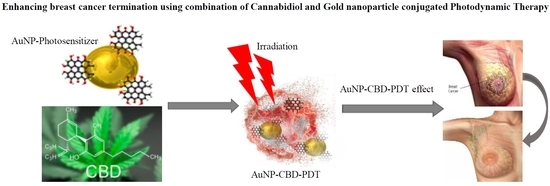

 “The European Medicines Agency (EMA) has approved the first cannabis based medicine to treat two rare and severe forms of childhood onset epilepsy, although hurdles remain before the drug becomes available on the NHS.”
 “Patients with ulcerative colitis (UC) using marijuana have been reported to experience symptomatic benefit.
 “Membrane vesicles (MVs) released from bacteria participate in cell communication and host-pathogen interactions.
 “Here, we hypothesized that adolescent Δ9-tetrahydrocannabinol (THC) worsens the impact of prenatal maternal immune activation (MIA) on ventral tegmental area (VTA) dopamine cells in rat offspring.
 “Cancer patients experience multiple symptoms throughout their illness, and some report benefit from the use of cannabis. There are concerns that many patients are accessing products inappropriate for their situation and potentially putting themselves at risk.