

“Geriatric patients often suffer from a long history of pain and have a limited life expectancy.
Cannabinoid receptor agonists like dronabinol may be an effective, low-risk treatment option for geriatric patients with chronic pain.
OBJECTIVES:
The effectiveness and side effects of dronabinol therapy in geriatric patients are analyzed. The effects of the approval requirement are presented.
RESULTS:
By using dronabinol, 21 of the 40 geriatric patients (52.5%) achieved pain relief of more than 30%, 10% of the patients of more than 50%. On average, about four symptoms or side effects related to previous treatment were positively influenced. 26% of patients reported side effects. The rejection rates on the part of the health insurances were 38.7% (group A) and 10.3% (group B).
CONCLUSIONS:
This study is one of the few analyses of the use of Dronabinol in geriatric patients. We show that cannabis-based drugs (in this case dronabinol) are an effective, low-risk treatment option that should be considered early in therapy. Regarding the indication spectrum, further clinical studies and an approval-free test phase are necessary.”
https://www.ncbi.nlm.nih.gov/pubmed/31473816
https://link.springer.com/article/10.1007%2Fs00482-019-00408-1


 “Chronic allograft dysfunction (CAD), defined as the replacement of functional renal tissue by extracellular matrix proteins, remains the first cause of graft loss.
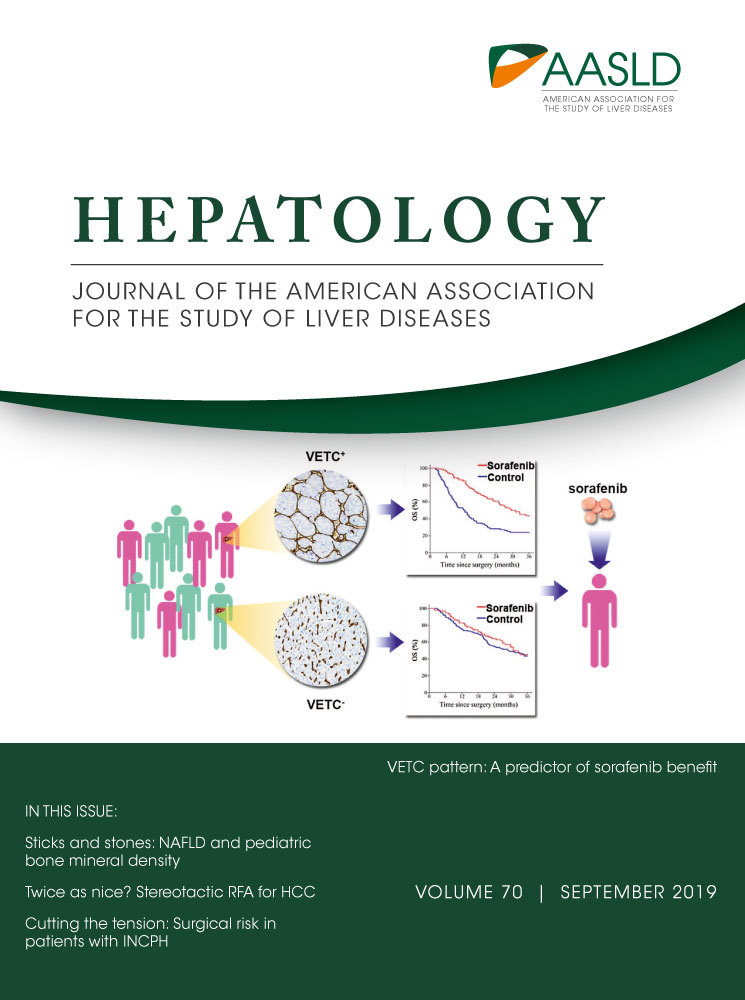 “Hepatic cardiomyopathy, a special type of heart failure develops in up to 50% of patients with cirrhosis and is a major determinant of survival. However, there is no reliable model of hepatic cardiomyopathy in mice. Herein we aimed to characterize the detailed hemodynamics of mice with bile-duct ligation (BDL)-induced liver fibrosis, by monitoring echocardiography and intracardiac pressure-volume (PV) relationships and myocardial structural alterations. Treatment of mice with a selective
  “Much of the initial reports for
  “The neurodegeneration, neuro-inflammation and mitochondrial dysfunction which occur by methamphetamine (METH) abuse or administration are serious and motivation therapeutic approaches for inhibition of these types of neurodegeneration. As we know, METH through Toll-like receptors (TLRs), specially type 4, and NF-κB signaling pathway causes neuro-inflammation and mitochondrial dysfunction.
 “Both types of
  “Medical and recreational cannabis use is increasing significantly, but its impacts on oral health remains unclear.
 “The biological effects of endocannabinoid system are mediated by two types of receptors,