Cannabinol inhibits oxytosis/ferroptosis by directly targeting mitochondria independently of cannabinoid receptors

“The oxytosis/ferroptosis regulated cell death pathway recapitulates many features of mitochondrial dysfunction associated with the aging brain and has emerged as a potential key mediator of neurodegeneration. It has thus been proposed that the oxytosis/ferroptosis pathway can be used to identify novel drug candidates for the treatment of age-associated neurodegenerative diseases that act by preserving mitochondrial function. Previously, we identified cannabinol (CBN) as a potent neuroprotector. Here, we demonstrate that not only does CBN protect nerve cells from oxytosis/ferroptosis in a manner that is dependent on mitochondria and it does so independently of cannabinoid receptors. Specifically, CBN directly targets mitochondria and preserves key mitochondrial functions including redox regulation, calcium uptake, membrane potential, bioenergetics, biogenesis, and modulation of fusion/fission dynamics that are disrupted following induction of oxytosis/ferroptosis. These protective effects of CBN are at least partly mediated by the promotion of endogenous antioxidant defenses and the activation of AMP-activated protein kinase (AMPK) signaling. Together, our data highlight the potential of mitochondrially-targeted compounds such as CBN as novel oxytotic/ferroptotic inhibitors to rescue mitochondrial dysfunction as well as opportunities for the discovery and development of future neurotherapeutics.”

https://pubmed.ncbi.nlm.nih.gov/34999187/

“ACTIVE INGREDIENT IN CANNABIS PROTECTS AGING BRAIN CELLS”

https://www.salk.edu/news-release/active-ingredient-in-cannabis-protects-aging-brain-cells/

Cannabidiol induces autophagy and improves neuronal health associated with SIRT1 mediated longevity

“Autophagy is a catabolic process to eliminate defective cellular molecules via lysosome-mediated degradation. Dysfunctional autophagy is associated with accelerated aging, whereas stimulation of autophagy could have potent anti-aging effects. We report that cannabidiol (CBD), a natural compound from Cannabis sativa, extends lifespan and rescues age-associated physiological declines in C. elegans. CBD promoted autophagic flux in nerve-ring neurons visualized by a tandem-tagged LGG-1 reporter during aging in C. elegans. Similarly, CBD activated autophagic flux in hippocampal and SH-SY5Y neurons. Furthermore, CBD-mediated lifespan extension was dependent on autophagy genes (bec-1, vps-34, and sqst-1) confirmed by RNAi knockdown experiments. C. elegans neurons have previously been shown to accumulate aberrant morphologies, such as beading and blebbing, with increasing age. Interestingly, CBD treatment slowed the development of these features in anterior and posterior touch receptor neurons (TRN) during aging. RNAi knockdown experiments indicated that CBD-mediated age-associated morphological changes in TRNs require bec-1 and sqst-1, not vps-34. Further investigation demonstrated that CBD-induced lifespan extension and increased neuronal health require sir-2.1/SIRT1. These findings collectively indicate the anti-aging benefits of CBD treatment, in both in vitro and in vivo models, and its potential to improve neuronal health and longevity.”

https://pubmed.ncbi.nlm.nih.gov/35445360/

Cannabis terpenes display variable protective and anti-aggregatory actions against neurotoxic β amyloid in vitro: highlighting the protective bioactivity of α-bisabolol in motorneuronal-like NSC-34 cells

“Background: Terpenes form a diverse class of naturally occurring chemicals ascribed various biological activities. Cannabis contains over 400 different terpenes of varying chemical complexity which may add to the known biological activities of phytocannabinoids of relevance to the increasing use of medical cannabis; however, to date have been incompletely characterized. We assessed three terpenes predominant in cannabis: α-bisabolol, myrcene and β-caryophyllene for neuroprotective and anti-aggregative properties in both undifferentiated and differentiated NSC-34 motorneuronal-like cells as a sensitive model for neurotoxicity to oxidative stress and amyloid β (Aβ1-42) protein exposure.

Methods: Cell viability was assessed biochemically using the MTT assay in the presence of either α-bisabolol, myrcene and β-caryophyllene (1-1000 µM) for 48 hr. Sub-toxic threshold test concentrations of each terpene were then applied to cells, alone or with concomitant incubation with the lipid peroxidant tert-butyl hyrdroperoxide (t-BHP) or amyloid β (Aβ1-42; 0-1 µM) to assess neuroprotective effects. Direct effects of each terpene on Aβ fibril formation and aggregation were also evaluated using the Thioflavin T (ThT) fluorometric kinetic assay, circular dichroism and transmission electron microscopy (TEM) to visualise fibril and aggregate morphology.

Results: Terpenes were intrinsically benign to NSC-34 cells up to 100 µM. No significant antioxidant effects were observed following t-BHP administration with myrcene and β-caryophyllene, however α-bisabolol provided a modest but significant increase in cell viability in undifferentiated cells. α-bisabolol also demonstrated a significant neuroprotective effect against amyloid β exposure, with β-caryophyllene also providing a lesser, but significant increase in cell viability. Protective effects of terpenes were more pronounced in undifferentiated versus differentiated cells, attributable more so to an attenuated loss of cell viability in response to Aβ1-42 following NSC-34 cell differentiation. Neuroprotection was associated with a direct inhibition of Aβ1-42 fibril and aggregate density, evidenced by both attenuated ThT fluorescence kinetics and both spectral and microscopic evidence of altered and diminished density of Aβ aggregates. While myrcene and β-caryophyllene also elicited reductions in ThT fluorescence and alterations in Aβ aggregation, these were less well associated with neuroprotective capacity.

Conclusions: These findings highlight a neuroprotective role of α-bisabolol against Aβ-mediated neurotoxicity associated with an inhibition of Aβ fibrillization and modest antioxidant effect against lipid peroxidation, while β-caryophyllene also provided a small but significant measure of protection to Aβ-mediated neurotoxicity. Anti-aggregatory effects were not directly correlated with neuroprotective efficacy. This demonstrates that bioactivity of selected terpenes should be a consideration in the emergent use of medicinal cannabis formulations for the treatment of neurodegenerative diseases.”

https://pubmed.ncbi.nlm.nih.gov/35278524/

Overview of Cannabis including Kampo Medicine and Therapy for Treatment of Dementia: A Review

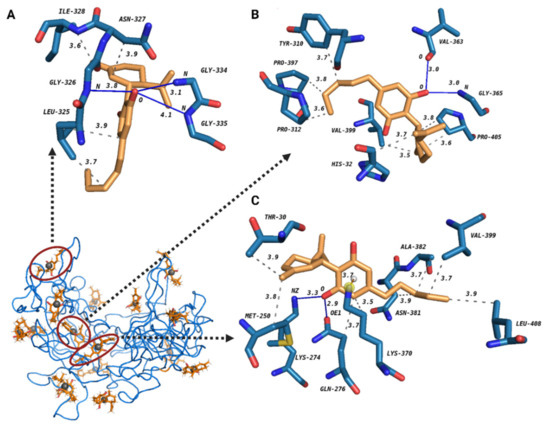
“Cannabis sativa L. is an annual herb oldest cultivated plants as a source of fiber since about 5000 B.C. On the other hand, the cannabis flower and seed are listed in Shennong’s classic Materia Medica approximately 2000 years ago. The formulas prescribed with cannabis in Kampo medicine have been summarized. Cannabidiol (CBD) and tetrahydrocannabinol (THC) are the major neurological and psychiatric cannabinoids, and develop to drugs. It becomes evident that the therapeutic CBD and/or THC are the important candidate of anti-dementia drugs having different mechanism for Alzheimer’s patients. Two receptors and endocannabinoids are also discussed for underlying mechanism of action. In order to promote the breeding of cannabis plant containing higher concentration of target cannabinoid the biosynthetic enzymes were isolated, cloning and the tertiary structure of THCA synthase determined by x-ray analysis resulting in the possibility of molecular breeding for cannabinoids.”

https://www.ncbi.nlm.nih.gov/pmc/articles/PMC8942766/

Effect of Cannabidiol on the Neural Glyoxalase Pathway Function and Longevity of Several C. elegans Strains Including a C. elegans Alzheimer’s Disease Model

“Cannabidiol is a nonpsychoactive phytocannabinoid produced by the Cannabis sativa plant and possesses a wide range of pharmacological activities, including anti-inflammatory, antioxidant, and neuroprotective activities. Cannabidiol functions in a neuroprotective manner, in part through the activation of cellular antioxidant pathways. The glyoxalase pathway detoxifies methylglyoxal, a highly reactive metabolic byproduct that can accumulate in the brain, and contributes to the severity of neurodegenerative diseases, including Alzheimer’s disease. While cannabidiol’s antioxidant properties have been investigated, it is currently unknown how it may modulate the glyoxalase pathway. In this research paper, we examine the effects of Cannabidiol on cerebellar neurons and in several Caenorhabditis elegans strains. We determined that a limited amount of Cannabidiol can prevent methylglyoxal-mediated cellular damage through enhancement of the neural glyoxalase pathway and extend the lifespan and survival of C. elegans, including a transgenic C. elegans strain modeling Alzheimer’s disease.”

https://pubmed.ncbi.nlm.nih.gov/35385645/

Cannabidiol (CBD) treatment improves spatial memory in 14-month-old female TAU58/2 transgenic mice

“Frontotemporal dementia (FTD) and Alzheimer’s disease (AD) share the pathological hallmark of intracellular neurofibrillary tangles, which result from the hyperphosphorylation of microtubule associated protein tau. The P301S mutation in human tau carried by TAU58/2 transgenic mice results in brain pathology and behavioural deficits relevant to FTD and AD. The phytocannabinoid cannabidiol (CBD) exhibits properties beneficial for multiple pathological processes evident in dementia. Therefore, 14-month-old female TAU58/2 transgenic and wild type-like (WT) littermates were treated with 100 mg/kg CBD or vehicle i.p. starting three weeks prior to conducting behavioural paradigms relevant to FTD and AD. TAU58/2 females exhibited impaired motor function, reduced bodyweight and less anxiety behaviour compared to WT. Impaired spatial reference memory of vehicle-treated transgenic mice was restored by chronic CBD treatment. Chronic CBD also reduced anxiety-like behaviours and decreased contextual fear-associated freezing in all mice. Chronic remedial CBD treatment ameliorated several disease-relevant phenotypes in 14-month-old TAU58/2 transgenic mice, suggesting potential for the treatment of tauopathy-related behavioural impairments including cognitive deficits.”

https://pubmed.ncbi.nlm.nih.gov/35202719/

Low-Dose Delta-9-Tetrahydrocannabinol as Beneficial Treatment for Aged APP/PS1 Mice

“Studies on the effective and safe therapeutic dosage of delta-9-tetrahydrocannabinol (THC) for the treatment of Alzheimer’s disease (AD) have been sparse due to the concern about THC’s psychotropic activity. The present study focused on demonstrating the beneficial effect of low-dose THC treatment in preclinical AD models.

The effect of THC on amyloid-β (Aβ) production was examined in N2a/AβPPswe cells. An in vivo study was conducted in aged APP/PS1 transgenic mice that received an intraperitoneal injection of THC at 0.02 and 0.2 mg/kg every other day for three months.

The in vitro study showed that THC inhibited Aβ aggregation within a safe dose range. Results of the radial arm water maze (RAWM) test demonstrated that treatment with 0.02 and 0.2 mg/kg of THC for three months significantly improved the spatial learning performance of aged APP/PS1 mice in a dose-dependent manner.

Results of protein analyses revealed that low-dose THC treatment significantly decreased the expression of Aβ oligomers, phospho-tau and total tau, and increased the expression of Aβ monomers and phospho-GSK-3β (Ser9) in the THC-treated brain tissues.

In conclusion, treatment with THC at 0.2 and 0.02 mg/kg improved the spatial learning of aged APP/PS1 mice, suggesting low-dose THC is a safe and effective treatment for AD.”

https://pubmed.ncbi.nlm.nih.gov/35269905/

https://www.mdpi.com/1422-0067/23/5/2757


Cannabinoids and Neurogenesis: The Promised Solution for Neurodegeneration?

molecules-logo“The concept of neurons as irreplaceable cells does not hold true today. Experiments and evidence of neurogenesis, also, in the adult brain give hope that some compounds or drugs can enhance this process, helping to reverse the outcomes of diseases or traumas that once were thought to be everlasting.

Cannabinoids, both from natural and artificial origins, already proved to have several beneficial effects (e.g., anti-inflammatory, anti-oxidants and analgesic action), but also capacity to increase neuronal population, by replacing the cells that were lost and/or regenerate a damaged nerve cell.

Neurogenesis is a process which is not highly represented in literature as neuroprotection, though it is as important as prevention of nervous system damage, because it can represent a possible solution when neuronal death is already present, such as in neurodegenerative diseases.

The aim of this review is to resume the experimental evidence of phyto- and synthetic cannabinoids effects on neurogenesis, both in vitro and in vivo, in order to elucidate if they possess also neurogenetic and neurorepairing properties.”

https://pubmed.ncbi.nlm.nih.gov/34684894/

“The current results of cannabinoids effects on neurogenesis are encouraging, and it is expectable that the amount of evidence continues to increase in the future with other experiments.”

https://www.mdpi.com/1420-3049/26/20/6313/htm

Inflammaging and Cannabinoids

Ageing Research Reviews“Aging is a complex phenomenon associated with a wide spectrum of physical and physiological changes affecting every part of all metazoans, if they escape death prior to reaching maturity. Critical to survival, the immune system evolved as the principal component of response to injury and defense against pathogen invasions. Because how significantly immune system affects and is affected by aging, several neologisms now appear to encapsulate these reciprocal relationships, such as Immunosenescence. The central part of Immunosenescence is Inflammaging -a sustained, low-grade, sterile inflammation occurring after reaching reproductive prime. Once initiated, the impact of Inflammaging and its adverse effects determine the direction and magnitudes of further Inflammaging. In this article, we review the nature of this vicious cycle, we will propose that phytocannabinoids as immune regulators may possess the potential as effective adjunctive therapies to slow and, in certain cases, reverse the pathologic senescence to permit a more healthy aging.”

https://pubmed.ncbi.nlm.nih.gov/34662745/

“The beneficial effects of cannabinoids may be considered as alternative therapy in treating age-related diseases.”

https://www.sciencedirect.com/science/article/pii/S1568163721002348?via%3Dihub

Efficacy of Δ 9 -Tetrahydrocannabinol (THC) Alone or in Combination With a 1:1 Ratio of Cannabidiol (CBD) in Reversing the Spatial Learning Deficits in Old Mice

Archive of "Frontiers in Aging Neuroscience".“Decline in cognitive performance, an aspect of the normal aging process, is influenced by the endocannabinoid system (ECS). Cannabinoid receptor 1 (CB1) signaling diminishes with advancing age in specific brain regions that regulate learning and memory and abolishing CB1 receptor signaling accelerates cognitive aging in mice.

We recently demonstrated that prolonged exposure to low dose (3 mg/kg/day) Δ9-tetrahydrocannabinol (THC) improved the cognitive performances in old mice on par with young untreated mice. Here we investigated the potential influence of cannabidiol (CBD) on this THC effect, because preclinical and clinical studies indicate that the combination of THC and CBD often exhibits an enhanced therapeutic effect compared to THC alone.

We first tested the effectiveness of a lower dose (1 mg/kg/day) THC, and then the efficacy of the combination of THC and CBD in 1:1 ratio, same as in the clinically approved medicine Sativex®. Our findings reveal that a 1 mg/kg/day THC dose still effectively improved spatial learning in aged mice. However, a 1:1 combination of THC and CBD failed to do so.

The presence of CBD induced temporal changes in THC metabolism ensuing in a transient elevation of blood THC levels. However, as CBD metabolizes, the inhibitory effect on THC metabolism was alleviated, causing a rapid clearance of THC. Thus, the beneficial effects of THC seemed to wane off more swiftly in the presence of CBD, due to these metabolic effects.

The findings indicate that THC-treatment alone is more efficient to improve spatial learning in aged mice than the 1:1 combination of THC and CBD.”

https://pubmed.ncbi.nlm.nih.gov/34526890/

“In conclusion, our observations indicate that 1 mg/kg/day THC dose is still effective in improving the spatial learning in aged mice. With regard to the efficacy, THC-alone has proved to be more efficient in improving spatial learning in aged mice than its 1:1 combination with CBD. However, the possibility of THC/CBD being efficient in other ratios or at the earliest time-points, like immediately after the treatment cease, cannot be negated. Possibly, reducing the dose of CBD may improve the efficacy of the THC/CBD combination.”

https://www.frontiersin.org/articles/10.3389/fnagi.2021.718850/full