

“Recent discoveries have implicated the potential of Cannabidiol (CBD) in the prevention of Alzheimer’s disease (AD). However, how CBD affects such neurodegenerative disorders remains unclear. Herein, Caenorhabditis elegans (C. elegans) was used as the model organism to elucidate the mechanism by which CBD ameliorates AD in vivo. CBD was found to alleviate the progression of Aβ-induced AD but not tau protein-induced AD or α-syn-induced Parkinson’s disease. CBD inhibited the aggregation of Aβ in C. elegans. However, CBD failed to prevent the formation of β-sheet aggregation in vitro. Moreover, CBD was found to scavenge reactive oxygen species (ROS) in vivo without inducing the overexpression of antioxidative genes. In addition, CBD treatment enhanced the worm resistance to oxidative stress, which was independent of the classical transcription factors DAF-16 and SKN-1. These results supported that the in vivo antioxidative activity of CBD was most likely due to its intrinsic antioxidative property. Furthermore, the phenolic hydroxyl groups of CBD were found to be critical for scavenging ROS in vitro and in vivo, alleviating the aggregation of Aβ in vivo, and ameliorating Aβ-associated neurotoxicity. These studies show that CBD protects against AD in C. elegans via the ROS scavenging activity of its phenolic hydroxyl groups, which provides insight for further structure-activity relationship studies of CBD as an AD therapeutic.”
https://pubmed.ncbi.nlm.nih.gov/35181336/
https://www.sciencedirect.com/science/article/abs/pii/S0014299922000905?via%3Dihub
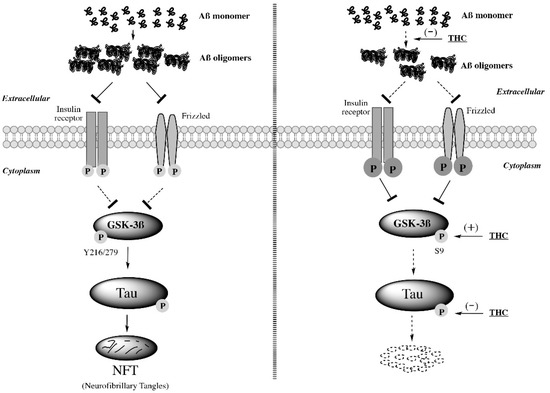
 “The concept of neurons as irreplaceable cells does not hold true today. Experiments and evidence of neurogenesis, also, in the adult brain give hope that some compounds or drugs can enhance this process, helping to reverse the outcomes of diseases or traumas that once were thought to be everlasting.
  “Aging is a complex phenomenon associated with a wide spectrum of physical and physiological changes affecting every part of all metazoans, if they escape death prior to reaching maturity. Critical to survival, the immune system evolved as the principal component of response to injury and defense against pathogen invasions. Because how significantly immune system affects and is affected by aging, several neologisms now appear to encapsulate these reciprocal relationships, such as Immunosenescence. The central part of Immunosenescence is Inflammaging -a sustained, low-grade, sterile inflammation occurring after reaching reproductive prime. Once initiated, the impact of Inflammaging and its adverse effects determine the direction and magnitudes of further Inflammaging. In this article, we review the nature of this vicious cycle, we will propose that phytocannabinoids as immune regulators may possess the potential as effective adjunctive therapies to slow and, in certain cases, reverse the pathologic senescence to permit a more healthy aging.”