“Cannabis-inspired medical products are garnering increasing attention from the scientific community, general public, and health policy makers. A plethora of scientific literature demonstrates intricate engagement of the endocannabinoid system with human immunology, psychology, developmental processes, neuronal plasticity, signal transduction, and metabolic regulation. Despite the therapeutic potential, the adverse psychoactive effects and historical stigma, cannabinoids have limited widespread clinical application. Therefore, it is plausible to weigh carefully the beneficial effects of cannabinoids against the potential adverse impacts for every individual. This is where the concept of “personalized medicine” as a promising approach for disease prediction and prevention may take into the account. The goal of this review is to provide an outline of the endocannabinoid system, including endocannabinoid metabolizing pathways, and will progress to a more in-depth discussion of the therapeutic interventions by endocannabinoids in various neurological disorders.”
https://pubmed.ncbi.nlm.nih.gov/32549916/
https://link.springer.com/article/10.1007%2Fs13167-020-00203-4
 “The phosphatidylinositol 3-kinase (PI3K)/protein kinase B (PKB/Akt)/mechanistic target of rapamycin (mTOR) signaling pathway has been associated with several pathologies in the central nervous system (CNS), including epilepsy. There is evidence supporting the hypothesis that the PI3Kγ signaling pathway may mediate the powerful anticonvulsant properties associated with the cannabinoidergic system.
 “The worldwide prevalence of neurological and neurodegenerative disorders, such as depression or Alzheimer’s disease, has spread extensively throughout the last decades, becoming an enormous health issue.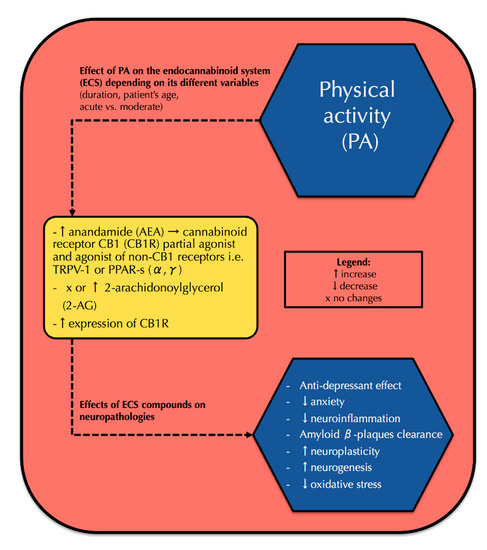
 “Irritable bowel syndrome (IBS) is a frequent cause of abdominal pain and altered bowel habits, which is associated with significant healthcare utilization.
 “Growing evidence recognises cannabinoid receptors as potential therapeutic targets for pain. Consequently, there is increasing interest in developing cannabinoid receptor agonists for treating pain.
 “Obesity rates are increasing worldwide and there is a need for novel therapeutic treatment options.
 “Δ9‐THCA‐A, the precursor of Δ9‐THC, is a non‐psychotropic phytocannabinoid that shows PPARγ agonistic activity. Herein, we investigated Δ9‐THCA ability to modulate classic cannabinoid receptors (CB1 and CB2) and evaluated its anti‐arthritis activity.