
 “Objectives
To investigate the action of cannabinoids on spasticity and pain in secondary progressive multiple sclerosis, by means of neurophysiological indexes.
Material and Methods
We assessed 15 patients with progressive MS (11 females) using clinical scales for spasticity and pain, as well as neurophysiological variables (H/M ratio, cutaneous silent period or CSP). Testing occurred before (T0) and during (T1) a standard treatment with an oral spray containing delta‐9‐tetrahydrocannabinol (THC) and cannabidiol (CBD). Neurophysiological measures at T0 were compared with those of 14 healthy controls of similar age and sex (HC). We then compared the patient results at the two time points (T1 vs T0).
Results
At T0, neurophysiological variables did not differ significantly between patients and controls. At T1, spasticity and pain scores improved, as detected by the Modified Ashworth Scale or MAS (P = .001), 9‐Hole Peg Test or 9HPT (P = .018), numeric rating scale for spasticity or NRS (P = .001), and visual analogue scale for pain or VAS (P = .005). At the same time, the CSP was significantly prolonged (P = .001).
Conclusions
The THC‐CBD spray improved spasticity and pain in secondary progressive MS patients. The spray prolonged CSP duration, which appears a promising tool for assessing and monitoring the analgesic effects of THC‐CBD in MS.”
https://onlinelibrary.wiley.com/doi/abs/10.1111/ane.13313
 “Neurological disorders such as neurodegenerative diseases or traumatic brain injury are associated with cognitive, motor and behavioural changes that influence the quality of life of the patients. Although different therapeutic strategies have been developed and tried until now to decrease the neurological decline, no treatment has been found to cure these pathologies.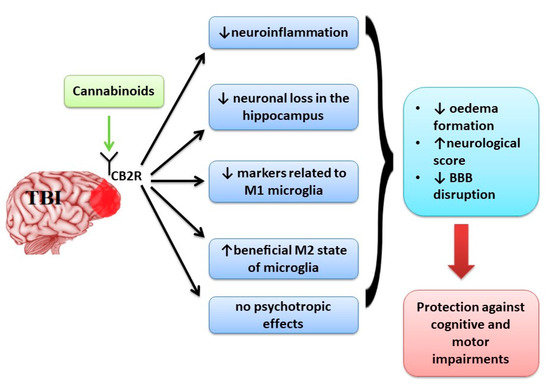
 “Objectives: To investigate the action of cannabinoids on spasticity and pain in secondary progressive multiple sclerosis, by means of neurophysiological indexes.
 “Painful tonic spasm (PTS) is a common yet debilitating symptom in patients with neuromyelitis optica spectrum disorder (NMOSD), especially those with longitudinally extensive transverse myelitis. Although carbamazepine is an effective treatment, it poses the risk of severe adverse reactions, such as Steven-Johnson syndrome (SJS).
 “Cannabidiol (
 “Moderate to severe spasticity is commonly reported in Multiple Sclerosis (MS) and its management is still a challenge. Cannabinoids were recently suggested as add-on therapy for the treatment of spasticity and chronic pain in MS but there is no conclusive scientific evidence on their safety, especially on cognition and over long periods.
 “Multiple sclerosis (MS) is an autoimmune demyelinating disease of the central nervous system, affecting ambulation even in people with only mild neurological signs. Patients with MS frequently experience spasticity, which contributes significantly to impair their motor functions, including ambulation, owing to muscle stiffness, spasms, and pain.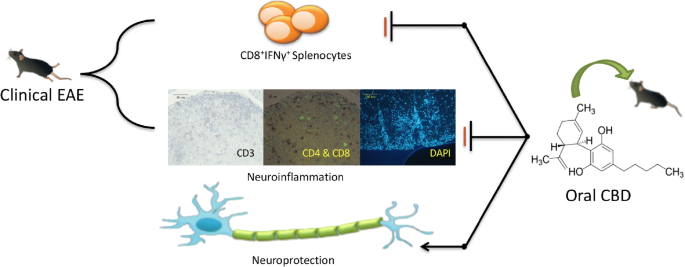
 “The pathophysiological relevance of the endocannabinoid system has been widely demonstrated in a variety of diseases including cancer, neurological disorders, and metabolic issues. Therefore, targeting the receptors and the endogenous machinery involved in this system can provide a successful therapeutic outcome.
 “The approval of 9-δ-tetrahydocannabinol (THC)+