
“Background and purpose: Research on demyelinating disorders aims to find novel molecules that are able to induce oligodendrocyte precursor cell differentiation to promote central nervous system remyelination and functional recovery. Δ9 -Tetrahydrocannabinol (THC), the most prominent active constituent of the hemp plant Cannabis sativa, confers neuroprotection in animal models of demyelination. However, the possible effect of THC on myelin repair has never been studied.
Experimental approach: By using oligodendroglia-specific reporter mouse lines in combination with two models of toxin-induced demyelination, we analysed the effect of THC on the processes of oligodendrocyte regeneration and functional remyelination.
Key results: We show that THC administration enhanced oligodendrocyte regeneration, white matter remyelination and motor function recovery. THC also promoted axonal remyelination in organotypic cerebellar cultures. THC remyelinating action relied on the induction of oligodendrocyte precursor differentiation upon cell cycle exit and via CB1 cannabinoid receptor activation.
Conclusions and implications: Overall, our study identifies THC administration as a promising pharmacological strategy aimed to promote functional CNS remyelination in demyelinating disorders.”
 “Cannabis sativa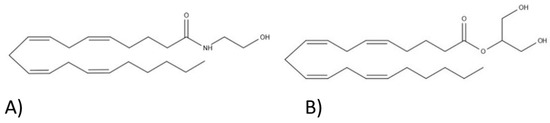
 “Background and purpose:
  “In humans, various sites like cannabinoid receptors (CBR) having a binding affinity with cannabinoids are distributed on the surface of different cell types, where endocannabinoids (ECs) and derivatives of fatty acid can bind. The binding of these substance(s) triggers the activation of specific receptors required for various physiological functions, including pain sensation, memory, and appetite.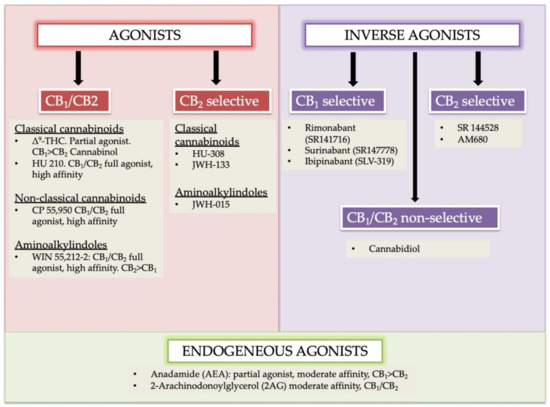
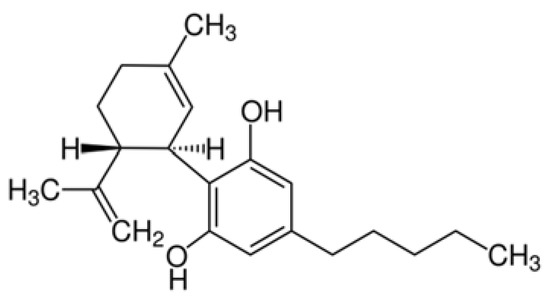
 “Medical cannabis and individual cannabinoids, such as tetrahydrocannabinol (THC) and cannabidiol (CBD), are receiving growing attention in both the media and the scientific literature. The Cannabis plant, however, produces over 100 different cannabinoids, and cannabigerol (CBG) serves as the precursor molecule for the most abundant phytocannabinoids.
 “The aberrant accumulation of disease-specific protein aggregates accompanying cognitive decline is a pathological hallmark of age-associated neurological disorders, also termed as proteinopathies, including Alzheimer’s disease, Parkinson’s disease, Huntington’s disease, amyotrophic lateral sclerosis and multiple sclerosis.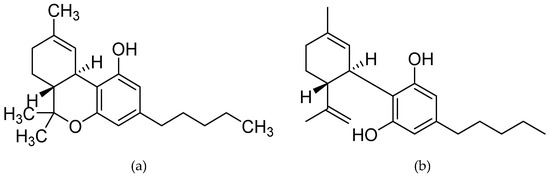
 “Δ9 -Tetrahydrocannabinol (THC), the main bioactive compound found in the plant Cannabis sativa, exerts its effects by activating cannabinoid receptors present in many neural cells.