
 “Background: Neuropathic symptoms have a wide variety of manifestations, ranging from pain to pruritus. Neuropathic pruritus is a type of chronic pruritus related to damaged small fibers. Cannabinoids have evidence to manage neuropathic symptoms. We present a case of refractory neuropathic pruritus that was successfully managed with the use of oral cannabinoids.
Case presentation: A 60-year-old male with amyotrophic lateral sclerosis with ongoing pruritus despite the use of standard neuropathic therapies.
Formulation of a plan: A balanced oral cannabinoid from a licensed producer was preferred as it has evidence for neuropathic symptoms and is generally well tolerated.
Outcome: The patient showed improvement to his pruritus score from 7/10 to 3/10. There was initial increased sedation but tolerance developed quickly.
Lessons learned from case: Cannabinoids are possibly safe and effective in management of neuropathic pruritus.”
https://pubmed.ncbi.nlm.nih.gov/34510973/
“Neuropathic pruritus is a chronic form of pruritus that causes significant symptom burden and can be difficult to treat. Cannabinoids have evidence to manage chronic neuropathic pain. This case demonstrates the safe and effective use of cannabinoids to manage neuropathic pruritus.”
 “Human immunodeficiency virus (HIV) infection and antiretroviral therapy can independently induce HIV-associated neuropathic pain (HIV-NP).
 “Many people with MS (pwMS) use unregulated cannabis or cannabis products to treat the symptoms associated with the disease. In line with this, Sativex, a synthetic combination of cannabidiol (CBD) and Δ9-tetrahydrocannabinol (Δ9-THC) has been approved to treat symptoms of spasticity.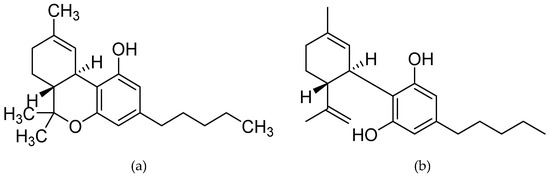
 “Recent studies have shown that cannabidiol (CBD) could have a great therapeutic potential for treating disorders such as chronic pain and anxiety. In the target article, the authors propose that CBD modulates serotonergic transmission and reverses allodynia and anxiety-like behaviour in a rat model of neuropathic pain. Furthermore, this study shows an antinociceptive effect mediated by TRPV1 and partially by 5-HT1A receptors, as well as an anxiolytic effect mediated by 5-HT1A receptors.”
 “Diabetes is a chronic disease associated with a high number of complications such as peripheral neuropathy, which causes sensorial disturbances and may lead to the development of diabetic neuropathic pain (DNP). The current treatment for DNP is just palliative and the drugs may cause severe adverse effects, leading to discontinuation of treatment. Thus, new therapeutic targets need to be urgently investigated.
 “Cannabinoid CB2 receptor (CB2) agonists are potential analgesics void of psychotropic effects.
 “Few models exist that can control for placebo and expectancy effects commonly observed in clinical trials measuring ‘
 “The cannabis plant has been widely researched for many therapeutic indications and found to be effective in many chronic conditions such as epilepsy, neuropathic or chronic pain and more. However, biased opinion against compounds of the plant, regulatory as well as compounding challenges have led to very few approved medicinal products. Those formulations which are approved are dosed several times a day, creating an unmet need for controlled release (CR) formulations of
  “The pathophysiological relevance of the endocannabinoid system has been widely demonstrated in a variety of diseases including cancer, neurological disorders, and metabolic issues. Therefore, targeting the receptors and the endogenous machinery involved in this system can provide a successful therapeutic outcome.