

“Background: Cannabis and its extracts are now being explored due to their huge health benefits. Although, the effect they elicit, whether on humans or rodents, may vary based on the age of the animal/subject and or the time in which the extract is administered. However, several debates exist concerning the various medical applications of these compounds. Nonetheless, their applicability as therapeutics should not be clouded based on their perceived negative biological actions.
Methods: Articles from reliable databases such as Science Direct, PubMed, Google Scholar, Scopus, and Ovid were searched. Specific search methods were employed using multiple keywords: ”Medicinal Cannabis; endocannabinoid system; cannabinoids receptors; cannabinoids and cognition; brain disorders; neurodegenerative diseases”. For the inclusion/exclusion criteria, only relevant articles related to medicinal Cannabis and its various compounds were considered.
Results: The current review highlights the role, effects, and involvement of Cannabis, cannabinoids, and endocannabinoids in preventing selected neurodegenerative diseases and possible amelioration of cognitive impairments. Furthermore, it also focuses on Cannabis utilization in many disease conditions such as Alzheimer’s and Parkinson’s disease among others.
Conclusion: In conclusion, the usage of Cannabis should be further explored as accumulating evidence suggests that it could be effective and somewhat safe, especially when adhered to the recommended dosage. Furthermore, in-depth studies should be conducted in order to unravel the specific mechanism underpinning the involvement of cannabinoids at the cellular level and their therapeutic applications.”
https://pubmed.ncbi.nlm.nih.gov/33504317/
https://www.eurekaselect.com/article/113707


 “Parkinson’s disease (PD) is a neurodegenerative disorder characterized by the loss of dopaminergic neurons in the Substantia Nigra pars compacta, leading to classical PD motor symptoms. Current therapies are purely symptomatic and do not modify disease progression.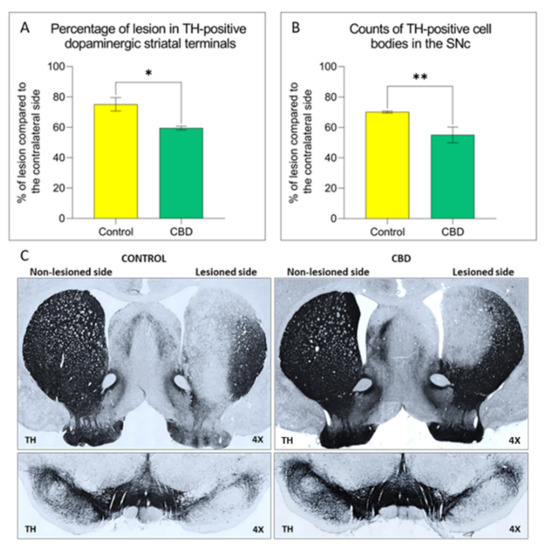
 “Little is known about the patients’ view on treatment with medical cannabis (MC) for Parkinson’s disease (PD).
 “Medical cannabis and individual cannabinoids, such as tetrahydrocannabinol (THC) and cannabidiol (CBD), are receiving growing attention in both the media and the scientific literature. The Cannabis plant, however, produces over 100 different cannabinoids, and cannabigerol (CBG) serves as the precursor molecule for the most abundant phytocannabinoids.
 “The aberrant accumulation of disease-specific protein aggregates accompanying cognitive decline is a pathological hallmark of age-associated neurological disorders, also termed as proteinopathies, including Alzheimer’s disease, Parkinson’s disease, Huntington’s disease, amyotrophic lateral sclerosis and multiple sclerosis.