
 “The use of cannabis for skin diseases and hair regrowth is at the preliminary stage.
Legalization: Many countries have approved cannabis for medical use; however, four countries Canada, Uruguay, South Africa, and Georgia have legalized it for both medical and recreational purposes.
The endocannabinoid system: The endocannabinoid system may maintain skin homeostasis; two notable endocannabinoids include 2-Arachidonoylglycerol (2-AG) and N-arachidonoylethanolamine (AEA).
Routes of administration and pharmacokinetics: Topical cannabinoids can avoid the first-pass metabolism and reduce respiratory side effects; however, the high hydrophobicity of cannabinoids may hinder percutaneous absorption.
Skin disorders and hair growth: Human clinical studies suggest that cannabinoids may be used in eczema, acne, pruritus, and systemic sclerosis treatment. Cannabidiol (CBD) may enhance hair growth via multiple mechanisms.
Safety: Topical cannabis may cause mild side effects such as pruritus, burning, erythema, and stinging; they are relatively safer than inhalation and oral cannabis. Cannabis use may be associated with allergic symptoms and reduced immune response to live vaccination.
Cannabinoids in practice: Despite growing interest, dermatologists should be cautious prescribing cannabinoids due to insufficient clinical data on both efficacy and safety.”
https://pubmed.ncbi.nlm.nih.gov/34363728/
https://onlinelibrary.wiley.com/doi/10.1111/jocd.14352
 “Significant growth of interest in cannabis (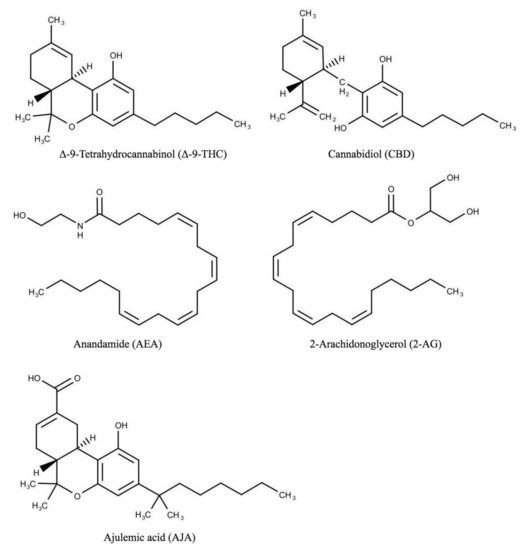
 “Myrcene (β-myrcene) is an abundant monoterpene which occurs as a major constituent in many plant species, including hops and cannabis. It is a popular flavouring and aroma agent (food additive) used in the manufacture of food and beverages. This review aims to report on the occurrence, biological and toxicological profile of β-myrcene. The main reported biological properties of β-myrcene-anxiolytic, antioxidant, anti-ageing, anti-inflammatory, analgesic properties-are discussed, with the mechanisms of activity. Here we also discuss recent data regarding the safety of β-myrcene. Overall, β-myrcene has shown promising health benefits in many animal studies. However, studies conducted in humans is lacking. In the future, there is potential for the formulation and production of non-alcoholic beers, functional foods and drinks, and cannabis extracts (low in THC) rich in β-myrcene.”
 “Proteins from hemp bran (HPB), a byproduct of the hemp seed food-processing chain, were chemically extracted, hydrolyzed by Alcalase, and separated by membrane ultrafiltration into four fractions (MW <1, 1-3, 3-5, and >5 kDa).
 “Background:
  “In recent decades, a lot of attention has been paid to Cannabis sativa L. due to its useful applications, including in fibers, oil, food for humans and animals, and therapeutics.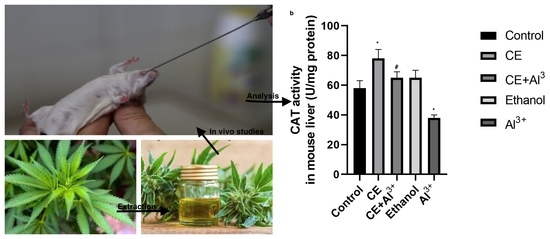
 “Background:
  “Objectives:
  “Cannabidiol (CBD), a phytochemical derived from