Cannabis – the new weight loss secret?

“Now we might know why dopers look so thin and gaunt. Cannabis facilitates weight loss!”

Cannabis

“Two cannabis compounds can raise the quantum of energy the body burns and keep obesity at bay. Called THCV and cannabidiol, they were found to have an appetite suppressing effect too for a short while. Animal tests have shown these compounds can help treat type two diabetes while also lowering levels of cholesterol in the blood stream and fat in key organs like the liver.

Scientists also found the compounds also had an impact on the level of fat and its response to insulin, a hormone that controls blood sugar levels, the Telegraph reports. THCV was also found to increase the animals’ sensitivity to insulin while also protecting the cells that produce insulin, allowing them to work better and for longer.

Steph Wright, director of research and development at GW Pharmaceuticals developing the drugs, said: “The results in animal models have been very encouraging. We are interested in how these drugs effect the fat distribution and utilisation in the body as a treatment for metabolic diseases”. We are conducting four Phase 2 clinical trials and we expect some results later this year,” Wright said. 

Tests in mice showed the compounds boosted their metabolism, leading to lower levels of fat in their livers and reduced cholesterol in their blood stream. They are now conducting clinical trials in 200 patients in the hope of producing a drug that can be used to treat patients suffering from “metabolic syndrome”, where diabetes, high blood pressure and obesity combine to increase the risk of heart disease and stroke.

Mike Cawthorne, director of metabolic research at the University of Buckingham who has been conducting the animal studies, said: “Over all, it seems these molecules increase energy expenditure in the cells of the body by increasing the metabolism”.”

http://health.india.com/news/cannabis-the-new-weight-loss-secret/
Cannabis for Ulcerative Colitis and Crohn’s Disease treatment

“Chemicals found in cannabis could prove an effective treatment for the inflammatory bowel diseases Ulcerative Colitis and Crohn’s Disease, say scientists.

Laboratory tests have shown that two compounds found in the cannabis plant – the cannabinoids THC and cannabidiol – interact with the body’s system that controls gut function.

Crohn’s Disease and Ulcerative Colitis, which affect about one in every 250 people in Northern Europe, are caused by both genetic and environmental factors. The researchers believe that a genetic susceptibility coupled with other triggers, such as diet, stress or bacterial imbalance, leads to a defective immune response.

Dr Karen Wright, Peel Trust Lecturer in Biomedicine at Lancaster University, will be presenting her soon-to-be published work at The British Pharmacological Society’s Winter Meeting in London today (Thursday).

She said: “The lining of the intestines provides a barrier against the contents of the gut but in people with Crohn’s Disease this barrier leaks and bacteria can escape into the intestinal tissue leading to an inappropriate immune response.

“If we could find a way to restore barrier integrity in patients we may be able to curb the inflammatory immune response that causes these chronic conditions.”

Dr Wright, working with colleagues at the School of Graduate Entry Medicine and Health in Derby, has shown that cells that react to cannabinoid compounds play an important role in normal gut function as well as the immune system’s inflammatory response.

“The body produces its own cannabinoid molecules, called endocannabinoids, which we have shown increase the permeability of the epithelium during inflammation, implying that overproduction may be detrimental,” said Dr Wright.

“However, we were able to reverse this process using plant-derived cannabinoids, which appeared to allow the epithelial cells to form tighter bonds with each other and restore the membrane barrier.”

The research was carried out using cell cultures in a dish but, interestingly, when the team attempted to mimic the conditions of the gut by reducing the amount of oxygen in the cells’ environment, much lower concentrations of cannabinoid were needed to produce the same effect.

Dr Wright added: “What is also encouraging is that while THC has psychoactive properties and is responsible for the ‘high’ people experience when using cannabis, cannabidiol, which has also proved effective in restoring membrane integrity, does not possess such properties.”

The British Pharmacological Society (BPS) – the primary UK learned society concerned with research into drugs and the way they work – is hosting its annual Winter Meeting in London, attracting experts from across the world.

The three-day conference, running from 15 to 17 December 2009, will hear presentations on the latest pharmacological developments to tackle a range of conditions and diseases.”

http://www.news-medical.net/news/20091217/Cannabis-for-Ulcerative-Colitis-and-Crohns-Disease-treatment.aspx

A tale of two cannabinoids: the therapeutic rationale for combining tetrahydrocannabinol and cannabidiol.

“This study examines the current knowledge of physiological and clinical effects of tetrahydrocannabinol (THC) and cannabidiol (CBD) and presents a rationale for their combination in pharmaceutical preparations. Cannabinoid and vanilloid receptor effects as well as non-receptor mechanisms are explored, such as the capability of THC and CBD to act as anti-inflammatory substances independent of cyclo-oxygenase (COX) inhibition.

CBD is demonstrated to antagonise some undesirable effects of THC including intoxication, sedation and tachycardia, while contributing analgesic, anti-emetic, and anti-carcinogenic properties in its own right.

In modern clinical trials, this has permitted the administration of higher doses of THC, providing evidence for clinical efficacy and safety for cannabis based extracts in treatment of spasticity, central pain and lower urinary tract symptoms in multiple sclerosis, as well as sleep disturbances, peripheral neuropathic pain, brachial plexus avulsion symptoms, rheumatoid arthritis and intractable cancer pain. Prospects for future application of whole cannabis extracts in neuroprotection, drug dependency, and neoplastic disorders are further examined.

The hypothesis that the combination of THC and CBD increases clinical efficacy while reducing adverse events is supported.”

http://www.ncbi.nlm.nih.gov/pubmed/16209908

The Amazing Health Benefits of Juicing Raw Cannabis (Marijuana) Leaves

“Contrary to popular belief, the marijuana plant is a whole lot more than just a psychoactive drug that “stoners” use to get high.

In raw form, marijuana leaves and buds are actually loaded with a non-psychoactive, antioxidant, anti-inflammatory, and anti-cancer nutrient compound known as cannabidiol (CBD) that is proving to be a miracle “superfood” capable of preventing and reversing a host of chronic illnesses…


“There’s a tendency to discount claims when something appears to be good for everything, but there’s a reason this is the case. The endogenous cannabinoid system acts as a modulator in fine-tuning a lot of these systems, and if something is deranged biochemically in a person’s body, it may well be that a cannabinoid system can bring things back into balance.””

Read More: http://www.whydontyoutrythis.com/2013/02/health-benefits-of-juicing-raw-cannabis.html#sthash.Zgix94HO.dpbs

Cannabis Treats Cancer and Epilepsy

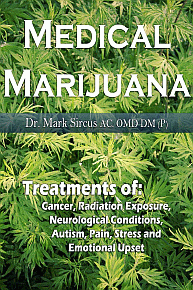
Description: Medical Marijuana

Dr. Mark Sircus, Ac., OMD, DM (P)

Director International Medical Veritas Association

Doctor of Oriental and Pastoral Medicine

Dr. Sean McAllister and Pierre Desprez claim they’ve successfully used cannabidiol to fight animal genes involved in the spread of cancer. “We found this one compound had a specific effect on metastatic cancer cells, very aggressive tumor cells,” McAllister says. Cannabidiol, the research appears to show, helps shut down receptors that inhibit cancerous cells from metastasizing.  “We find when you treat with cannabidiol, you down regulate the expression of this protein, and that inhibits the disease process.” Unlike THC, the ingredient in marijuana that makes you feel stoned, cannabidiol is a non-toxic compound of the plant that has no psychoactive qualities.

I already published that marijuana is the best medicine for 3-year-old Cash Hyde of Missoula, Montana. The boy’s parent’s defied doctor’s orders—and Montana law—to get their hands on the medicinal treatment their son needed after he was diagnosed with recurring brain tumors at 22 months old. “I’ve had law enforcement threatening to kick my door down, but I would have done anything to keep Cashy alive,” said Mike Hyde, who has long been a proponent of the drug, told ABCNews.com.

My book on Medical Marijuana goes into the research from around the globe, including from Harvard University that sustains the conclusions of doctors McAllister and Desprez.

Dixie Botanicals is shipping Cannabidiol from Denver Colorado to all fifty states though of course one can grow marijuana oneself and or use regular marijuana strains if one lives in one of the now fifteen states that has made medical marijuana legal.

I take great exception to the Obama administration that has continued to resist the legalization on a federal level of medical marijuana. They still insist that there is no medical use for marijuana when all the science proves the government to be dead wrong. They hunt the world for terrorists but some of the worst live and work right in Washington DC. Terrorists are people who hurt others and I do not see the difference between those who use guns and those who use drugs or deny the population the natural substances they need to be well.

Of course marijuana is extremely effective for other diseases. The most recent I have read about: Medical pot treats boy’s epilepsy, without getting him high. The little boy has been swallowing droppers full of a solution made mostly of cannabidiol, or CBD, the second most prominent of marijuana’s 100 or so cannabinoids. Unlike the dominant THC, cannabidiol is not psychoactive, so the sweet-tasting infusion Jayden takes four times a day doesn’t make him high.

Down from 22 prescription pills per day to four, he now eats solid food, responds to his father’s incessant requests for kisses and dances in his Modesto living room to the “Yo Gabba Gabba!” theme song. The frequency and intensity of his seizures have been greatly reduced.

CBD was virtually bred out of U.S. plants decades ago by growers whose customers preferred the mind-altering properties of high-THC varietals. Yet it is experiencing a resurgence, having shown promise as an anti-inflammatory, anticonvulsant, neuroprotectant and cancer-fighting agent.

Studies have shown THC is “overwhelmingly anticonvulsant” in animals, said Dr. Ben Whalley, a researcher at Britain’s University of Reading, but CBD and some other non-psychoactive cannabinoids have shown similar effects without the mind-altering downside.”

http://drsircus.com/medicine/cancer/cannabis-treats-cancer-and-epilepsy#utm_source=Dr+Sircus+Newsletter&utm_campaign=820775ef59-Article_045&utm_medium=email

The nonpsychoactive Cannabis constituent cannabidiol is a wake-inducing agent.

“Cannabidiol (CBD) is a constituent of Cannabis sativa that induces nonpsychotropic effects, and some of its biological actions in sleep have been described by the authors’ group.

 Here, the authors report that when administered 10 or 20 microg/1 microl during the lights-on period directly into either lateral hypothalamus (LH) or dorsal raphe nuclei (DRN), which are wake-inducing brain areas, CBD enhanced wakefulness and decreased slow wave sleep and REM sleep. Furthermore, CBD increased alpha and theta power spectra but diminished delta power spectra. Additionally, CBD increased c-Fos expression in LH or DRN.

These findings suggest that this cannabinoid is a wake-inducing compound that presumably activates neurons in LH and DRN.”

http://www.ncbi.nlm.nih.gov/pubmed/19045957

Cannabidiol, a constituent of Cannabis sativa, modulates sleep in rats.

“Delta(9)-tetrahydrocannabinol (Delta(9)-THC) and cannabidiol (CBD) are two major constituents of Cannabis sativa. Delta(9)-THC modulates sleep, but no clear evidence on the role of CBD is available.

In order to determine the effects of CBD on sleep, it was administered intracerebroventricular (icv) in a dose of 10 microg/5 microl at the beginning of either the lights-on or the lights-off period. We found that CBD administered during the lights-on period increased wakefulness (W) and decreased rapid eye movement sleep (REMS). No changes on sleep were observed during the dark phase. Icv injections of CBD (10 microg/5microl) induced an enhancement of c-Fos expression in waking-related brain areas such as hypothalamus and dorsal raphe nucleus (DRD). Microdialysis in unanesthetized rats was carried out to characterize the effects of icv administration of CBD (10 microg/5 microl) on extracellular levels of dopamine (DA) within the nucleus accumbens. CBD induced an increase in DA release. Finally, in order to test if the waking properties of CBD could be blocked by the sleep-inducing endocannabinoid anandamide (ANA), animals received ANA (10 microg/2.5 microl, icv) followed 15 min later by CBD (10 microg/2.5 microl). Results showed that the waking properties of CBD were not blocked by ANA.

 In conclusion, we found that CBD modulates waking via activation of neurons in the hypothalamus and DRD. Both regions are apparently involved in the generation of alertness. Also, CBD increases DA levels as measured by microdialysis and HPLC procedures.

Since CBD induces alertness, it might be of therapeutic value in sleep disorders such as excessive somnolence.”

http://www.ncbi.nlm.nih.gov/pubmed/16844117

Effects of acute systemic administration of cannabidiol on sleep-wake cycle in rats.

“Cannabidiol (CBD) is one of the main components of Cannabis sativa and has a wide spectrum of action, including effects in the sleep-wake cycle. Objective: The objective of this paper is to assess the effects on sleep of acute systemic administration of CBD.

 Method: Adult male Wistar rats were randomly distributed into four groups that received intraperitoneal injections of CBD 2.5 mg/kg, CBD 10 mg/kg, CBD 40 mg/kg or vehicle (n=seven animals/group). Sleep recordings were made during light and dark periods for four days: two days of baseline recording, one day of drug administration (test), and one day after drug (post-test). Results: During the light period of the test day, the total percentage of sleep significantly increased in the groups treated with 10 and 40 mg/kg of CBD compared to placebo. REM sleep latency increased in the group injected with CBD 40 mg/kg and was significantly decreased with the dose of 10 mg/kg on the post-test day. There was an increase in the time of SWS in the group treated with CBD 40 mg/kg, although this result did not reach statistical significance.

 Conclusion: The systemic acute administration of CBD appears to increase total sleep time, in addition to increasing sleep latency in the light period of the day of administration.”

http://www.ncbi.nlm.nih.gov/pubmed/23343597

The effects of cannabidiol on the antigen-induced contraction of airways smooth muscle in the guinea-pig.

“(-)-Δ(9)-Tetrahydrocannabinol has been demonstrated to have beneficial effects in the airways, but its psychoactive effects preclude its therapeutic use for the treatment of airways diseases. In the present study we have investigated the effects of (-)-cannabidiol, a non-psychoactive component of cannabis for its actions on bronchial smooth muscle in vitro and in vivo.

 Guinea-pig bronchial smooth muscle contractions induced by exogenously applied spasmogens were measured isometrically. In addition, contractile responses of bronchial smooth muscle from ovalbumin-sensitized guinea-pigs were investigated in the absence or presence of (-)-cannabidiol. Furthermore, the effect of (-)-cannabidiol against ovalbumin-induced airway obstruction was investigated in vivo in ovalbumin-sensitized guinea pigs. (-)-Cannabidiol did not influence the bronchial smooth muscle contraction induced by carbachol, histamine or neurokinin A. In contrast, (-)-cannabidiol inhibited anandamide- and virodhamine-induced responses of isolated bronchi. A fatty acid amide hydrolase inhibitor, phenylmethanesulfonyl fluoride reversed the inhibitory effect of (-)-cannabidiol on anandamide-induced contractions. In addition, (-)-cannabidiol inhibited the contractile response of bronchi obtained from allergic guinea-pigs induced by ovalbumin. In vivo, (-)-cannabidiol reduced ovalbumin-induced airway obstruction.

 In conclusion, our results suggest that cannabidiol can influence antigen-induced airway smooth muscle tone suggesting that this molecule may have beneficial effects in the treatment of obstructive airway disorders.”

http://www.ncbi.nlm.nih.gov/pubmed/23428645

[Marihuana and cannabinoids as medicaments].

“Biological activity of cannabinoids is caused by binding to two cannabinoid receptors CB1 and CB2. Psychoactive is not only tetrahydrocannabinol (THC) but also: cannabidiol, cannabigerol or cannabichromen. Formerly, the usefulness of hemp was assessed in the relation to temporary appeasement of the symptoms of some ailments as nausea or vomiting.

 Present discoveries indicates that cannabis-based drugs has shown ability to alleviate of autoimmunological disorders such as: Multiple sclerosis (MS), Rheumatoid arthritis (RA) or inflammatory bowel disease. Another studies indicates that cannabinoids play role in treatment of neurological disorders like Alzheimer disease or Amyotrophic lateral sclerosis (ALS) or even can reduce spreading of tumor cells.

 Cannabinoids stand out high safety profile considering acute toxicity, it is low possibility of deadly overdosing and side-effects are comprise in range of tolerated side-effects of other medications.

In some countries marinol and nabilone are used as anti vomiting and nausea drug. First cannabis-based drug containg naturally occurring cannabinoids is Sativex. Sativex is delivered in an mucosal spray for patients suffering from spasticity in MS, pain relevant with cancer and neuropathic pain of various origin. Despite the relatively low acute toxicity of cannabinoids they should be avoid in patients with psychotic disorders, pregnant or breastfeeding woman. Cannabinoids prolong a time of reaction and decrease power of concentration that’s why driving any vehicles is forbidden.

 Cannabis side-effects varies and depend from several factors like administrated dose, rout of administration and present state of mind. After sudden break from long-lasting use, withdrawal symptoms can appear, although they entirely disappear after a week or two.”

http://www.ncbi.nlm.nih.gov/pubmed/23421098