“The endocannabinoid system (ECS) is a composite cell-signaling system that allows endogenous cannabinoid ligands to control cell functions through the interaction with cannabinoid receptors. Modifications of the ECS might contribute to the pathogenesis of different diseases, including cancers. However, the use of these compounds as antitumor agents remains debatable.
Pre-clinical experimental studies have shown that cannabinoids (CBs) might be effective for the treatment of hematological malignancies, such as leukemia and lymphoma.
Specifically, CBs may activate programmed cell death mechanisms, thus blocking cancer cell growth, and may modulate both autophagy and angiogenesis. Therefore, CBs may have significant anti-tumor effects in hematologic diseases and may synergistically act with chemotherapeutic agents, possibly also reducing chemoresistance.
Moreover, targeting ECS might be considered as a novel approach for the management of graft versus host disease, thus reducing some symptoms such as anorexia, cachexia, fatigue, anxiety, depression, and neuropathic pain. The aim of the present review is to collect the state of the art of CBs effects on hematological tumors, thus focusing on the essential topics that might be useful before moving into the clinical practice.”
“Medical marijuana (MM) use is common among cancer patients, but relatively little is known about the usage patterns and efficacy of MM used by gynecologic cancer patients.
Methods: Demographic and clinical data were collected for gynecologic cancer patients prescribed MM between May 2016 and February 2019. The electronic medical record was used to query formulation prescribed, usage patterns, length of use, symptom relief, and side effect profile. Descriptive statistics were calculated.
Results: Of 45 gynecologic cancer patients prescribed MM, 89% were receiving chemotherapy; 56% were undergoing primary treatment. MM was used for a median of 5.2 months (range 0.6-25.4). Over 70% of patients reported improvement in nausea/vomiting, compared to 36% of patients using MM for pain relief (p = 0.02). Of 41 patients with follow-up information, 71% found MM improved at least one symptom.
Conclusions: Among a small sample of gynecologic cancer patients prescribed MM for symptom management, self-reported follow-up indicated symptom relief for the majority of patients and minimal therapy-related side effects. This data can prove useful for counseling gynecologic cancer patients on the efficacy and side effects of MM.”
“Among a small cohort of gynecologic cancer patients prescribed MM for symptom management, the majority reported improvement in at least one disease or treatment-related symptom and reported minimal side effects. Further larger prospective studies are needed to investigate specific formulations and indications in this patient population, but our data indicate that it is a safe and useful adjunct for symptom management among a diverse cohort of women with gynecologic cancer.”
“Cannabis use has increased dramatically across the country; however, few studies have assessed the long-term impact of medical cannabis (MC) use on cognition. Studies examining recreational cannabis users generally report cognitive decrements, particularly in those with adolescent onset. As MC patients differ from recreational consumers in motives for use, product selection, and age of onset, we assessed cognitive and clinical measures in well-characterized MC patients over 1 year. Based on previous findings, we hypothesized MC patients would not show decrements and might instead demonstrate improvements in executive function over time.
Method: As part of an ongoing study, MC patients completed a baseline visit prior to initiating MC and evaluations following 3, 6, and 12 months of treatment. At each visit, patients completed a neurocognitive battery assessing executive function, verbal learning/memory, and clinical scales assessing mood, anxiety, and sleep. Exposure to delta-9-tetrahydrocannabinol (THC) and cannabidiol (CBD) was also quantified.
Results: Relative to baseline, MC patients demonstrated significant improvements on measures of executive function and clinical state over the course of 12 months; verbal learning/memory performance generally remained stable. Improved cognitive performance was not correlated with MC use; however, clinical improvement was associated with higher CBD use. Analyses suggest cognitive improvements were associated with clinical improvement.
Conclusions: Study results extend previous pilot findings, indicating that MC patients may exhibit enhanced rather than impaired executive function over time. Future studies should examine distinctions between recreational and MC use to identify potential mechanisms related to cognitive changes and the role of clinical improvement.”
“Like many mind-altering plants, cannabis has been part of spiritual practices for thousands of years. It has deep roots in Hinduism, Islam, Rastafarianism, and indigenous traditions in Asia, Africa, and elsewhere. Yet almost no attention has been given to how contemporary adults employ it spiritually. A sample of 1087 participants (mean age = 38.9) completed an online survey assessing their use of cannabis and other substances, as well as spiritual and psychological characteristics. Spiritual benefit from cannabis was reported by 66.1% of the sample, and 5.5% reported it had sometimes been a spiritual hindrance. A MANOVA showed that those who reported spiritual benefit differed significantly from those who did not on several outcome variables, and a post hoc descriptive discriminant analysis revealed that expansiveness motivation, non-theistic daily spiritual experience, meditation frequency, and two mindfulness facets contributed most to differentiating the two groups. The majority of the sample (63%) was free of cannabis use disorder. Compared to disordered groups, the non-disordered group was significantly older and scored lower on experiential avoidance, psychological distress, and several motives for use. Results suggest that spiritual motives for cannabis use may be widespread. Implications for future research on spiritual use of cannabis are discussed.”
“Few studies have examined the dose-response and temporal relationships between marijuana use and ischemic stroke while controlling for important confounders, including the amount of tobacco smoking. The purpose of our study was to address these knowledge gaps.
Results: After adjusting for other risk factors, including the amount of current tobacco smoking, marijuana use was not associated with ischemic stroke, regardless of the timing of use in relationship to the stroke, including ever use, use within 30 days, and use within 24 hours.
Conclusions: These analyses do not demonstrate an association between marijuana use and an increased risk of early-onset ischemic stroke, although statistical power was limited for assessing the association among very heavy users.”
“Cannabinoids are a group of terpenophenolic compounds derived from the Cannabis sativa L. plant. There is a growing body of evidence from cell culture and animal studies in support of cannabinoids possessing anticancer properties.
Method: A database search of peer reviewed articles published in English as full texts between January 1970 and April 2021 in Google Scholar, MEDLINE, PubMed and Web of Science was undertaken. References of relevant literature were searched to identify additional studies to construct a narrative literature review of oncological effects of cannabinoids in pre-clinical and clinical studies in various cancer types.
Results: Phyto-, endogenous and synthetic cannabinoids demonstrated antitumour effects both in vitro and in vivo. However, these effects are dependent on cancer type, the concentration and preparation of the cannabinoid and the abundance of receptor targets. The mechanism of action of synthetic cannabinoids, (-)-trans-Δ9-tetrahydrocannabinol (Δ9-THC) and cannabidiol (CBD) has mainly been described via the traditional cannabinoid receptors; CB1 and CB2, but reports have also indicated evidence of activity through GPR55, TRPM8 and other ion channels including TRPA1, TRPV1 and TRPV2.
Conclusion: Cannabinoids have shown to be efficacious both as a single agent and in combination with antineoplastic drugs. These effects have occurred through various receptors and ligands and modulation of signalling pathways involved in hallmarks of cancer pathology. There is a need for further studies to characterise its mode of action at the molecular level and to delineate efficacious dosage and route of administration in addition to synergistic regimes.”
“Since time immemorial, the Cannabis plant has been used as a source of fibre, herbal remedy, medicinal and religious purposes. In the mid-nineteenth century, O’Shaughnessy and Moreau reported positive effects of cannabis on muscle spasms, vomiting, convulsions, rheumatism, tetanus, and rabies. However, during the twentieth century, its utilisation in Western medicine started to decline as a result of political prejudices and economic interests rather than scientific or medical reasons.
Plant-based, endogenous and synthetic cannabinoid compounds have shown merits in not only alleviating the unwanted side effects of antineoplastic drug regiments, but have also shown promising evidence in decreasing tumour burden, and one in vivo study so far concludes increasing survival rates in mice. Various extracted forms of cannabinoids from C. sativa have shown varying cytotoxic effects which should be explored in more detail in future studies as majority of the evidence originates from studies investigating mainly ∆9-THC and CBD’s actions.”
“Recent cannabis exposure has been associated with lower rates of neurocognitive impairment in people with HIV (PWH). Cannabis’s anti-inflammatory properties may underlie this relationship by reducing chronic neuroinflammation in PWH.
This study examined relations between cannabis use and inflammatory biomarkers in cerebrospinal fluid (CSF) and plasma, and cognitive correlates of these biomarkers within a community-based sample of PWH.
Results: HIV+ daily cannabis users showed lower MCP-1 and IP-10 levels in CSF compared to HIV+ non-cannabis users (p = .015; p = .039) and were similar to HIV- non-cannabis users. Plasma biomarkers showed no differences by cannabis use. Among PWH, lower CSF MCP-1 and lower CSF IP-10 were associated with better learning performance (all ps < .05).
Conclusions: Current daily cannabis use was associated with lower levels of pro-inflammatory chemokines implicated in HIV pathogenesis and these chemokines were linked to the cognitive domain of learning which is commonly impaired in PWH. Cannabinoid-related reductions of MCP-1 and IP-10, if confirmed, suggest a role for medicinal cannabis in the mitigation of persistent inflammation and cognitive impacts of HIV.”
“This study aimed to obtain and characterize extracted hemp oil enriched in cannabidiol (CBD) by decarboxylation of cannabidiolic acid (CBDA) and to give new insights into its antioxidant and anticancer effects.
CBD-enriched oil promoted NHDF proliferation at up to 15 µg CBD/mL, while inducing apoptosis and ROS production and modulating antioxidant enzymes’ gene expression in cancer cells, being selective for osteosarcoma cells, and induced apoptosis by p53- and ROS-independent mechanisms.
CBD-enriched hemp oil demonstrated antioxidant properties in oxidative conditions and promoted normal fibroblasts’ proliferation, while inducing apoptosis and ROS production in cancer cells.”
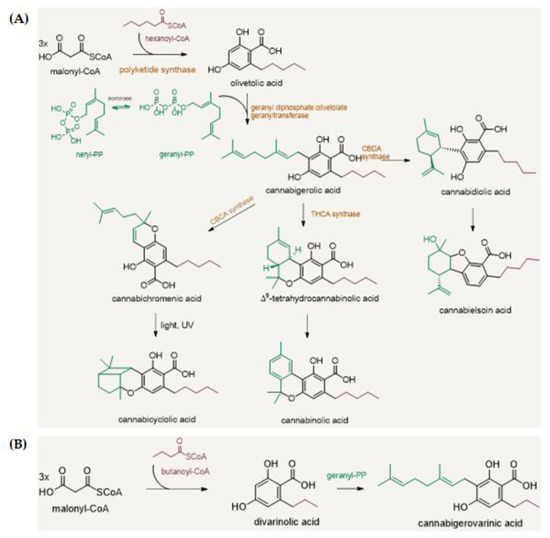
“Cannabis sativa L. is a source of over 150 active compounds known as phytocannabinoids that are receiving renewed interest due to their diverse pharmacologic activities. Indeed, phytocannabinoids mimic the endogenous bioactive endocannabinoids effects through activation of CB1 and CB2 receptors widely described in the central nervous system and peripheral tissues.
All phytocannabinoids have been studied for their protective actions towards different biological mechanisms, including inflammation, immune response, oxidative stress that, altogether, result in an inhibitory activity against the carcinogenesis.
The role of the endocannabinoid system is not yet completely clear in cancer, but several studies indicate that cannabinoid receptors and endogenous ligands are overexpressed in different tumor tissues.
Recently, in vitro and in vivo evidence support the effectiveness of phytocannabinoids against various cancer types, in terms of proliferation, metastasis, and angiogenesis, actions partially due to their ability to regulate signaling pathways critical for cell growth and survival.
The aim of this review was to report the current knowledge about the action of phytocannabinoids from Cannabis sativa L. against cancer initiation and progression with a specific regard to brain, breast, colorectal, and lung cancer as well as their possible use in the therapies. We will also report the known molecular mechanisms responsible for such positive effects.
Finally, we will describe the actual therapeutic options for Cannabis sativa L. and the ongoing clinical trials.”

 “The endocannabinoid system (ECS) is a composite cell-signaling system that allows endogenous cannabinoid ligands to control cell functions through the interaction with cannabinoid receptors. Modifications of the ECS might contribute to the pathogenesis of different diseases, including cancers. However, the use of these compounds as antitumor agents remains debatable.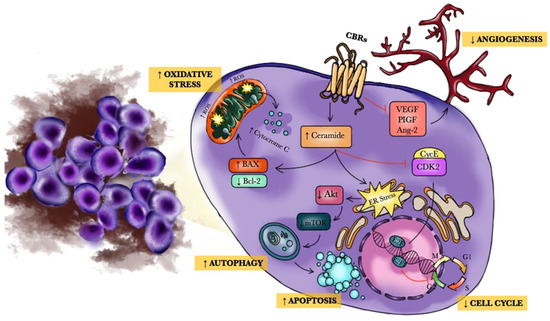
 “Medical marijuana (MM) use is common among cancer patients, but relatively little is known about the usage patterns and efficacy of MM used by gynecologic cancer patients.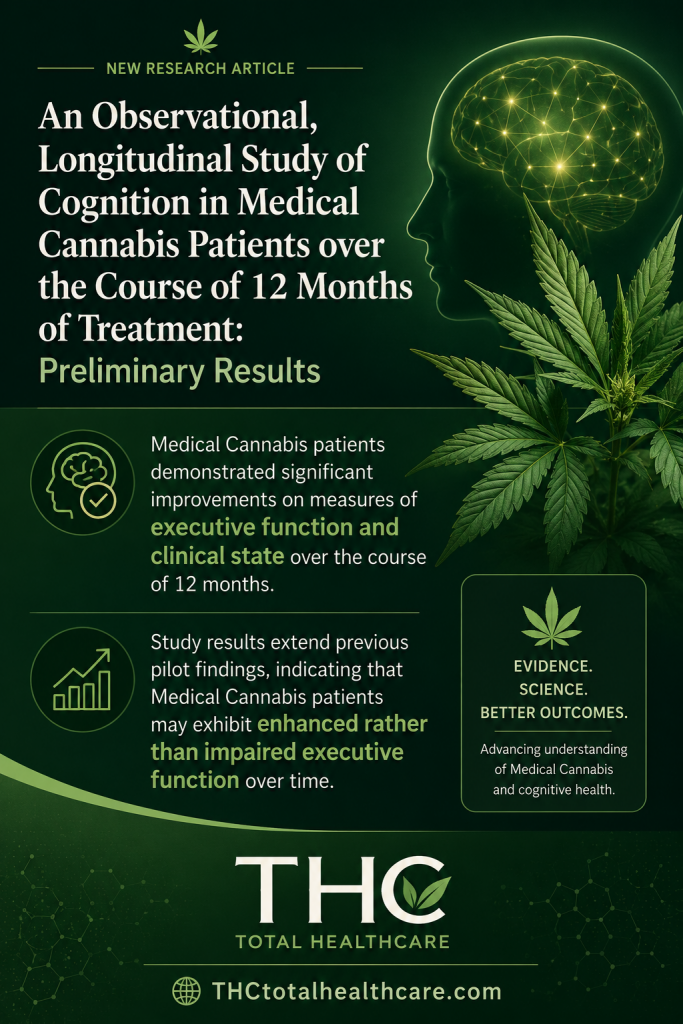
 “
“ “Few studies have examined the dose-response and temporal relationships between marijuana use and ischemic stroke while controlling for important confounders, including the amount of tobacco smoking. The purpose of our study was to address these knowledge gaps.
 “Human immunodeficiency virus (HIV) infection and antiretroviral therapy can independently induce HIV-associated neuropathic pain (HIV-NP).

 “This study aimed to obtain and characterize extracted hemp oil enriched in cannabidiol (CBD) by decarboxylation of cannabidiolic acid (CBDA) and to give new insights into its antioxidant and anticancer effects.