“In recent decades, epidemiological, clinical, and experimental studies have demonstrated that a diet with antioxidant or anti-inflammatory function plays a central role in the prevention of atherosclerosis (AS).
The purpose of this study was to explore the effects of Cannabis seed oil (CO) administration on in vitro antioxidant capacity as well as blood lipid profiles, lipid peroxidation, inflammatory response, and endothelial cell integrity. Female ApoE-/- mice were fed a high-cholesterol diet and administrated with CO or phosphate-buffered saline (PBS) and seal oil by gavage for 8 weeks.
The results show that CO administration reduced the levels of serum triglycerides and low-density lipoprotein cholesterol at week 6. Additionally, a decrease in serum tumor necrosis factor α and nitric oxide was also observed. Moreover, results from CD31 staining and scanning electron microscopy revealed that CO treatment alleviated the endothelial cell damage and lipid deposition induced by a high-cholesterol diet. The ratio of lesion area to the total aorta area was 19.57% for the CO group, which was lower than the PBS control group (24.67%).
Collectively, CO exerted anti-atherosclerotic effects by modulating serum lipid profiles and inflammatory responses and improving endothelial cell integrity and arterial lipid deposition. The results provide a promising preventive strategy for the early progression of AS.”
 “Cannabinoids such as ▵-9-THC and CBD can downregulate the immune response by modulating the endocannabinoid system. This modulation is relevant for the treatment of prevalent autoimmune diseases (ADs), such as multiple sclerosis (MS), systemic lupus erythematosus (SLE), diabetes mellitus type 1 (DMT1), and rheumatoid arthritis (RA). These conditions require new therapeutic options with fewer side effects for the control of the autoimmune response. Objective: to conduct a literature review of preclinical scientific evidence that supports further clinical investigations for the use of cannabinoids (natural or synthetic) as potential immunomodulators of the immune response in ADs.
  “Positive effect of some cannabinoids in the treatment and prophylaxis of a wide variety of oxidation-associated diseases and growing popularity of supplements containing cannabinoids, mainly cannabinoid oils (e.g. CBD oil, CBG oil), in the self-medication of humans cause a growing interest in the antioxidant properties of these compounds, especially those not showing psychotropic effects.
  “Streptococcus mutans
 “The relevance and incidence of intestinal bowel diseases (IBD) have been increasing over the last 50 years and the current therapies are characterized by severe side effects, making essential the development of new strategies that combine efficacy and safety in the management of human IBD. Herbal products are highly considered in research aimed at discovering new approaches for IBD therapy and, among others,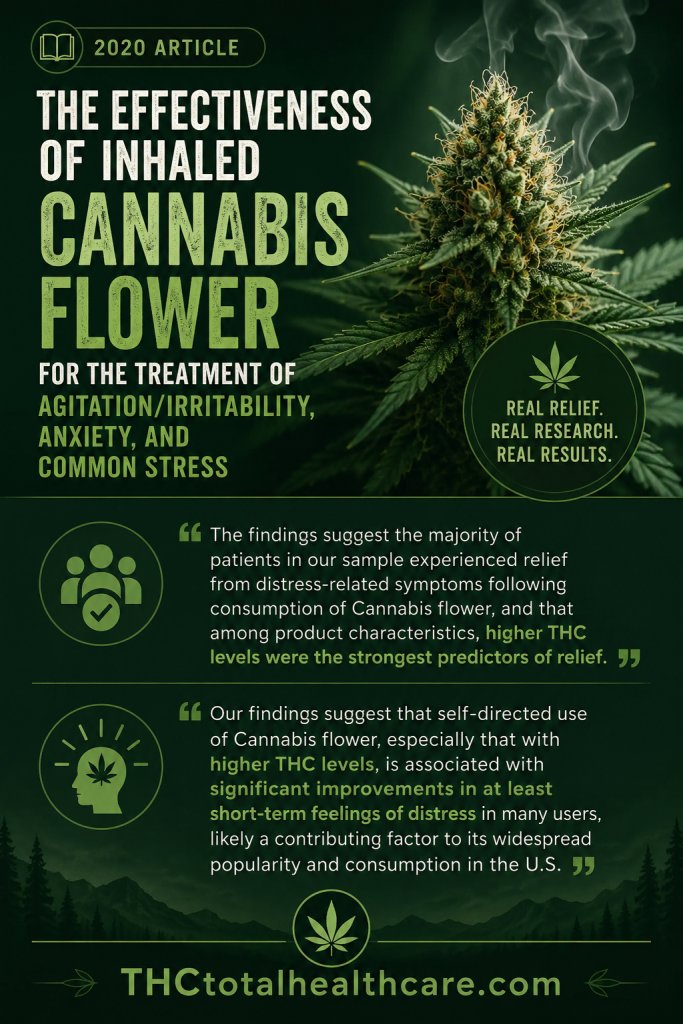
 “An observational research design was used to evaluate which types of commonly labeled Cannabis flower product characteristics are associated with changes in momentary feelings of distress-related symptoms.