
 “Phytocannabinoids (and synthetic analogs thereof) are gaining significant attention as promising leads in modern medicine. Considering this, new directions for the design of phytocannabinoid-inspired molecules is of immediate interest. In this regard, we have hypothesized that axially-chiral-cannabinols (ax-CBNs), unnatural and unknown isomers of cannabinol (CBN) may be valuable scaffolds for cannabinoid-inspired drug discovery. There are two main factors directing our interest to these scaffolds: (a) ax-CBNs would have ground-state three-dimensionality; ligand-receptor interactions can be more significant with complimentary 3D-topology, and (b) ax-CBNs at their core structure are biaryl molecules, generally attractive platforms for pharmaceutical development due to their ease of functionalization and stability. Herein we report a synthesis of ax-CBNs, examine physical properties experimentally and computationally, and perform a comparative analysis of ax-CBN and THC in mice behavioral studies.”
https://www.ncbi.nlm.nih.gov/pubmed/32061146
https://onlinelibrary.wiley.com/doi/abs/10.1002/cmdc.202000025
 “The legalisation of
 “Radiotherapy combined with chemotherapy is the major treatment modality for human glioblastoma multiforme (GBM). GBMs eventually relapse after treatment and the average survival of GBM patients is less than two years.
 “Highly purified
  “In this report, we present a case of a 16,9-year-old patient with multiple substance use disorder (
 “Patients with non-small cell lung cancer (NSCLC) develop resistance to antitumor agents by mechanisms that involve the epithelial-to-mesenchymal transition (EMT). This necessitates the development of new complementary drugs, e.g.,
  “The endocannabinoid system (ES) is a cell-signalling system widely distributed in biological tissues that includes endogenous ligands, receptors, and biosynthetic and hydrolysing machineries.
 “Plant phytochemicals have potential decontaminating properties, however, their role in the amelioration of hydrophobic water filtration membranes have not been elucidated yet.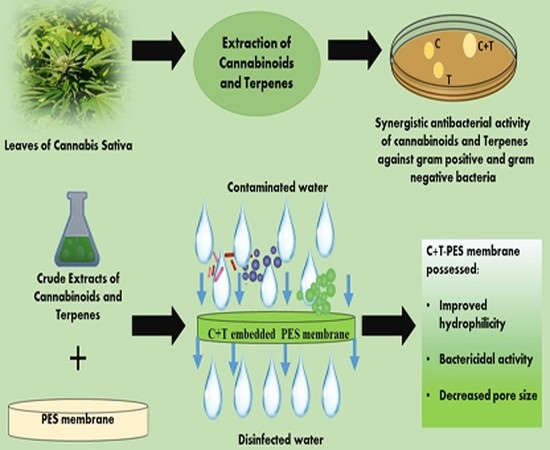
 “Novel anticancer medicines, including targeted therapies and immune checkpoint inhibitors, have greatly improved the management of cancers. However, both conventional and new anticancer treatments induce cardiac adverse effects, which remain a critical issue in clinic.