 “Medical cannabis is being increasingly used in the treatment of rheumatic diseases because, despite the paucity of evidence regarding its safety and efficacy, a growing number of countries are legalising its use for medical purposes in response to social pressure.
Cannabinoids may be useful in the management of rheumatic disorders for two broad reasons: their anti-inflammatory and immunomodulatory activity, and their effects on pain and associated symptoms.
It is interesting to note that, although a wide range of medications are available for the treatment of inflammation, including an ever-lengthening list of biological medications, the same is not true of the treatment of chronic pain, a cardinal symptom of many rheumatological disorders.
The publication of systematic reviews (SR) concerning the use of cannabis-based medicines for chronic pain (with and without meta-analyses) is outpacing that of randomised controlled trials. Furthermore, narrative reviews of public institution are largely based on these SRs, which often reach different conclusions regarding the efficacy and safety of cannabis-based medicines because of the lack of high-quality evidence of efficacy and the presence of indications that they may be harmful for patients.
Societal safety concerns about medical cannabis (e.g. driving risks, workplace safety and pediatric intoxication) must always be borne in mind, and will probably not be addressed by clinical studies. Medical cannabis and cannabis-based medicines have often been legalised as therapeutic products by legislative bodies without going through the usual process of regulatory approval founded on the results of traditional evidence-based studies. This review discusses the advantages and limitations of using cannabis to treat rheumatic conditions.”
https://www.ncbi.nlm.nih.gov/pubmed/31648042
https://www.sciencedirect.com/science/article/abs/pii/S1568997219302162?via%3Dihub

 “Bone cancer pain (BCP) is a severe complication of advanced bone cancer.
 “Hemp (Cannabis sativa L.) is an eco‐friendly and multifunctional plant. Hemp hurd is a by‐product of hemp plant during hemp fiber separation. Although hemp hurd is repeatedly announced owing antibacterial activity, it has never been systematically investigated and reported. In this study, the antibacterial activity of hemp hurd powder against Escherichia coli is investigated. This article reveals antibacterial activity of hemp hurd where hemp hurd powder inhibits the growth of E. coli. Meanwhile, the self‐contamination (forming during retting process) inside hemp hurd has dramatic impact on the antibacterial performance. To achieve better antibacterial activity, hemp hurd was heat treated to eliminate self‐contaminations. The impact of the particle sizes and heat treatment on the antibacterial effectiveness was evaluated.”
 “WIN55,212-2 (WIN) is a synthetic agonist of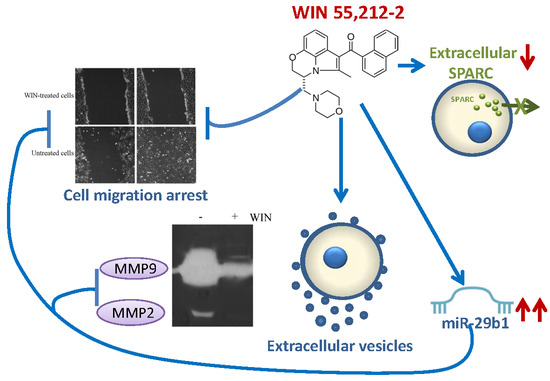
 “Hepatic fibrosis is the consequence of an unresolved wound healing process in response to chronic liver injury and involves multiple cell types and molecular mechanisms. The hepatic endocannabinoid and apelin systems are two signalling pathways with a substantial role in the liver fibrosis pathophysiology-both are upregulated in patients with advanced liver disease. Endogenous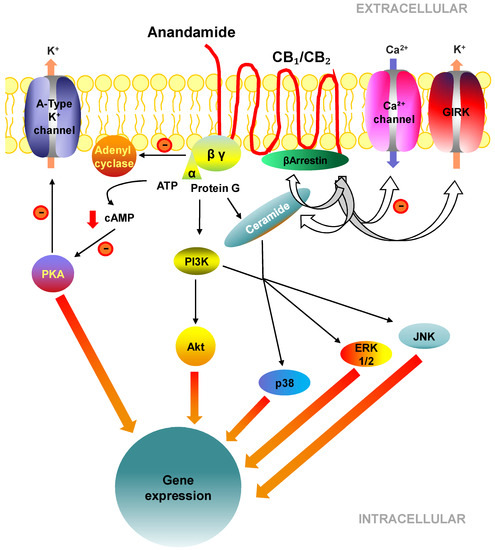
 “The symptomatic treatment of myotonia and myalgia in patients with dystrophic and non-dystrophic myotonias is often not satisfactory.

 “Medical
  “Preclinical studies have shown that cannabidiol (CBD) mitigates fear memories by facilitating their extinction or interfering with their generalization and reconsolidation. The brain regions and mechanisms underlying these effects, and their temporal window, are still poorly understood. The present paper aimed at investigating related questions in the dorsal hippocampus (DH) during contextual fear consolidation.