

“Neuroblastoma (NBL) is one of the most common childhood cancers that originate from the immature nerve cells of the sympathetic system. Studies with NBL cancers have also shown that miRNAs are dysregulated and may play a critical role in pathogenesis.
Cannabidiol (CBD) is a non-psychoactive compound found in marijuana which has been previously shown by our laboratory and others to induce apoptosis in cancer cells. However, there are no studies reported to test if CBD mediates these effects through regulation of miRNA.
In the current study, therefore, we investigated if CBD induces apoptosis in human NBL cell lines, SH SY5Y and IMR-32, and if it is regulated by miRNA.
Our data demonstrated that CBD induces apoptosis in NBL cells through activation of serotonin and vanilloid receptors. We also found that caspase-2 and -3 played an important role in the induction of apoptosis. CBD also significantly reduced NBL cell migration and invasion in vitro.
Furthermore, CBD blocked mitochondrial respiration and caused a shift in metabolism towards glycolysis. CBD altered the expression of miRNA specifically, down-regulating hsa-let-7a and upregulating hsa-mir-1972. Downregulation of let-7a increased expression of target caspase-3, and growth arrest specific-7 (GAS-7) genes. Upregulation of hsa-mir-1972 caused decreased expression of BCL2L1 and SIRT2 genes.
Together, our studies suggest that CBD-mediated apoptosis in NBL cells is regulated by miRNA.”
 “Good pain management in children, especially those at end of life, is a crucial component of palliative medicine. The current review assesses some of the new and/or innovative ways to manage pain in children. The article focuses on some recent medications/pharmaceutical options such as
 “As the legalization of medical cannabis continues across the USA, oncology care providers will be increasingly asked to provide recommendations regarding its use in the cancer setting.


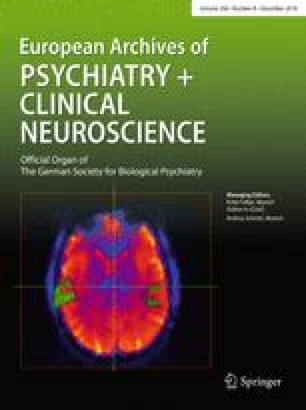 “Parkinson’s disease (PD) is a chronic neurodegenerative disorder characterized by motor symptoms such as bradykinesia, rest tremor, postural disturbances, and rigidity. PD is also characterized by non-motor symptoms such as sleep disturbances, cognitive deficits, and psychiatric disorders such as psychosis, depression, and anxiety. The pharmacological treatment for these symptoms is limited in efficacy and induce significant adverse reactions, highlighting the need for better treatment options.