

“The use of cannabidiol (CBD) for treating brain disorders has gained increasing interest. While the mechanism of action of CBD in these conditions is still under investigation, CBD has been shown to affect numerous different drug targets in the brain that are involved in brain disorders. Here we review the preclinical and clinical evidence on the potential therapeutic use of CBD in treating various brain disorders. Moreover, we also examine various drug delivery approaches that have been applied to CBD. Due to the slow absorption and low bioavailability with the current oral CBD therapy, more efficient routes of administration to bypass hepatic metabolism, particularly pulmonary delivery, should be considered. Comparison of pharmacokinetic studies of different delivery routes highlight the advantages of intranasal and inhalation drug delivery over other routes of administration (oral, injection, sublingual, buccal, and transdermal) for treating brain disorders. These two routes of delivery, being non-invasive and able to achieve fast absorption and increase bioavailability, are attracting increasing interest for CBD applications, with more research and development expected in the near future.”
https://pubmed.ncbi.nlm.nih.gov/36635488/
https://link.springer.com/article/10.1007/s11095-023-03469-1


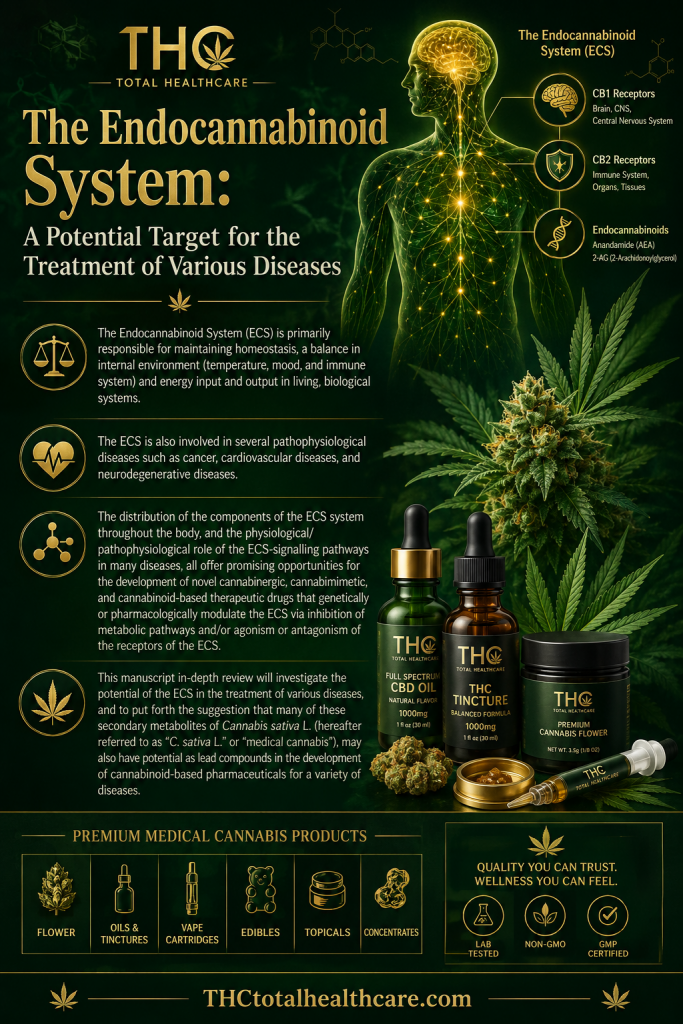
 “The Endocannabinoid System (ECS) is primarily responsible for maintaining homeostasis, a balance in internal environment (temperature, mood, and immune system) and energy input and output in living, biological systems.
 “Despite the high incidence of traumatic brain injury (TBI), there is no universal treatment to safely treat patients. Blunt brain injuries destroy primary neural tissue that results in impaired perfusion, excessive release of glutamate, inflammation, excitotoxicity, and progressive secondary neuronal cell death.
  “The hematopoietic cytokine granulocyte-colony stimulating factor (G-CSF) is well known to stimulate proliferation of blood stem/progenitor cells of the leukocyte lineage, but is also recognized as a neurotrophic factor involved in brain self-repair processes. G-CSF administration has been shown to promote recovery from experimental models of traumatic brain injury (TBI) and to modulate components of the endocannabinoid system (eCS). Conversely, Δ9-tetrahydrocannabinol (