
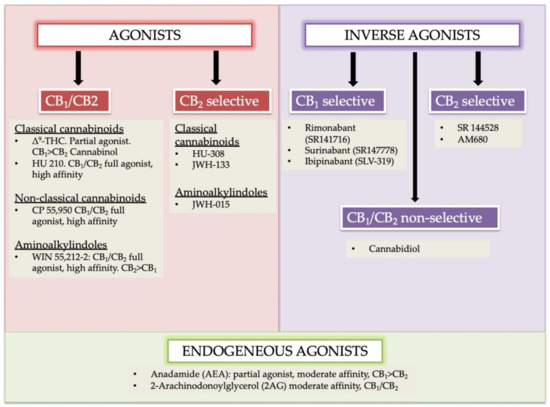
 “In humans, various sites like cannabinoid receptors (CBR) having a binding affinity with cannabinoids are distributed on the surface of different cell types, where endocannabinoids (ECs) and derivatives of fatty acid can bind. The binding of these substance(s) triggers the activation of specific receptors required for various physiological functions, including pain sensation, memory, and appetite.
The ECs and CBR perform multiple functions via the cannabinoid receptor 1 (CB1); cannabinoid receptor 2 (CB2), having a key effect in restraining neurotransmitters and the arrangement of cytokines. The role of cannabinoids in the immune system is illustrated because of their immunosuppressive characteristics. These characteristics include inhibition of leucocyte proliferation, T cells apoptosis, and induction of macrophages along with reduced pro-inflammatory cytokines secretion.
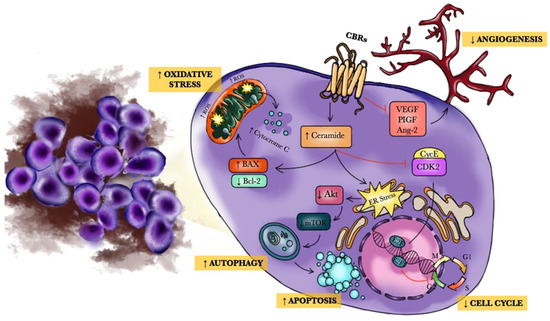
The review seeks to discuss the functional relationship between the endocannabinoid system (ECS) and anti-tumor characteristics of cannabinoids in various cancers.
The therapeutic potential of cannabinoids for cancer-both in vivo and in vitro clinical trials-has also been highlighted and reported to be effective in mice models in arthritis for the inflammation reduction, neuropathic pain, positive effect in multiple sclerosis and type-1 diabetes mellitus, and found beneficial for treating in various cancers.
In human models, such studies are limited; thereby, further research is indispensable in this field to get a conclusive outcome. Therefore, in autoimmune disorders, therapeutic cannabinoids can serve as promising immunosuppressive and anti-fibrotic agents.”
https://pubmed.ncbi.nlm.nih.gov/34205169/
https://www.mdpi.com/1420-3049/26/11/3389
 “Melanoma is one of the most aggressive malignances in human. Recently developed therapies improved overall survival rate, however, the treatment of melanoma still remains a challenging issue.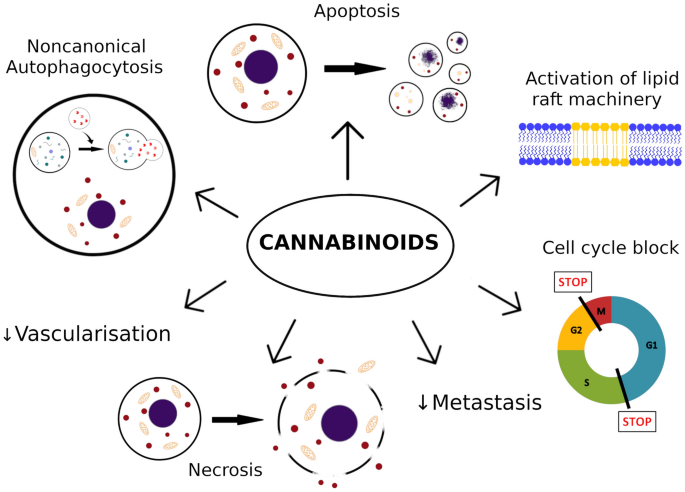
 “Medical marijuana (MM) use is common among cancer patients, but relatively little is known about the usage patterns and efficacy of MM used by gynecologic cancer patients.
 “This study aimed to obtain and characterize extracted hemp oil enriched in cannabidiol (CBD) by decarboxylation of cannabidiolic acid (CBDA) and to give new insights into its antioxidant and anticancer effects.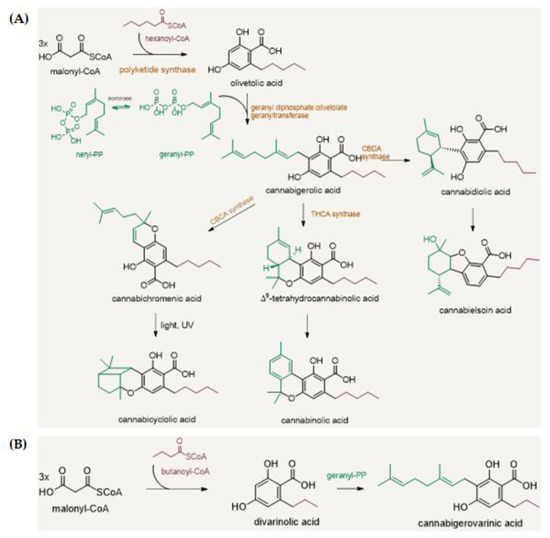
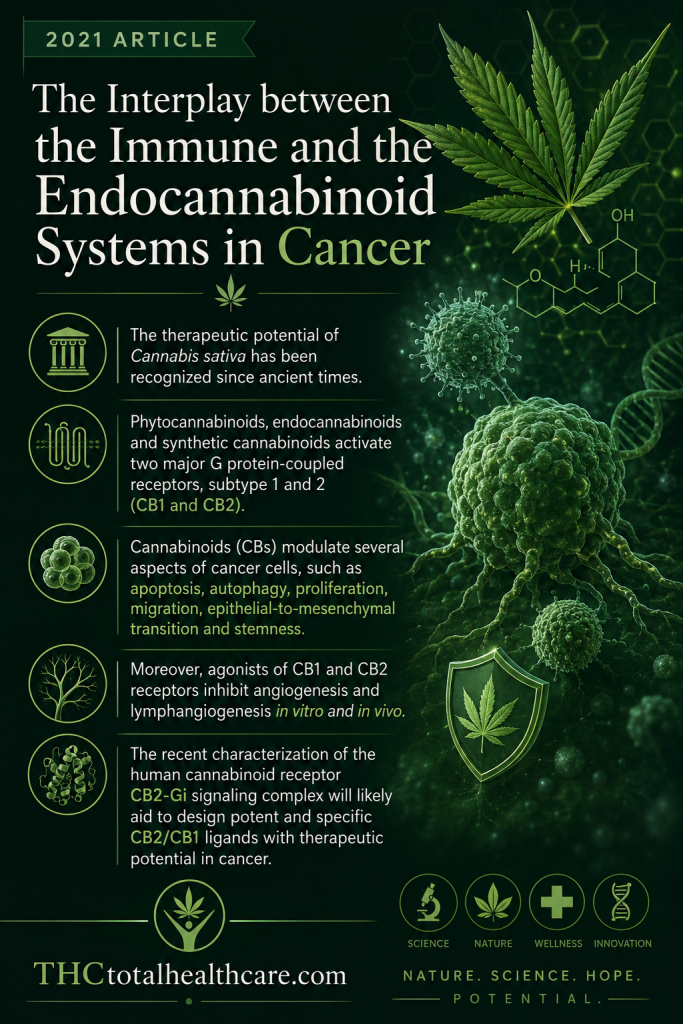
 “The therapeutic potential of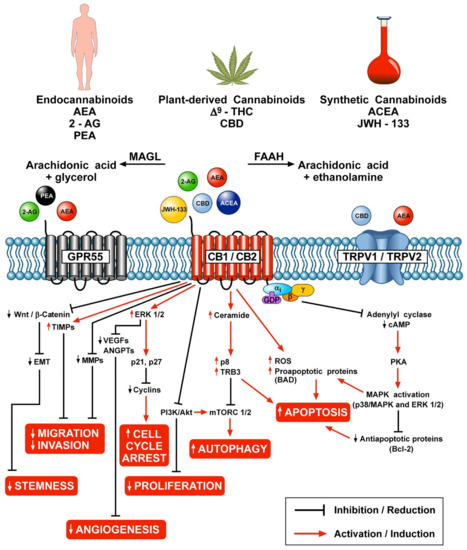
 “Cannabinoids, including delta-8- and delta-9-tetrahydrocannabinol (THC) have a palliative care impact and may therefore be beneficial against cancer.
  “Background: