“Hypercholesterolemia (HC) is a major risk factor for cardiovascular (CV) diseases, that are the major cause of mortality worldwide.
Free radicals mediated oxidative stress is a critical player in HC-associated pathophysiological insults including atherosclerosis. Unwanted side effects associated with statins, COX-2 inhibitors, and other synthetic drugs limit their use. Thus, modulation of oxidative stress during HC using green pharmaceuticals seems an appropriate approach against deleterious CV consequences without noticeable side-effect.
In this regard, owing to an abundance of proteins, fiber and optimal ratios of omega 6 PUFA: omega-3 PUFA in Hempseed (HS), we aim to exploit its anti-inflammatory and antioxidant properties to ameliorate HC- associated CV effects.
CONCLUSIONS:
Current study evidently demonstrates that the anti-hypercholesterolemic effects of HS are mediated through redox-sensitive modulation of inflammatory pathways.”
https://www.ncbi.nlm.nih.gov/pubmed/31668458
“Hypercholesterolemia (HC) associated oxidative stress is central to cardiovascular (CV) diseases. Unwanted side effects associated with statins and other synthetic drugs limits their use. Modulation of HC associated oxidative stress by Hempseed (HS) was based on its anti-inflammatory/antioxidant properties. HS exhibited intense anti-inflammatory and anti-atherosclerotic effect via redox modulation of PG biosynthetic pathway. The multipronged approach to characterize HC associated CV effects and its modulation by HS is novel.”
https://www.nmcd-journal.com/article/S0939-4753(19)30345-X/fulltext


 “Neutrophil trafficking into damaged or infected tissues is essential for the initiation of inflammation, clearance of pathogens and damaged cells, and ultimately tissue repair. Neutrophil recruitment is highly dependent on the stepwise induction of adhesion molecules and promigratory chemokines and cytokines.
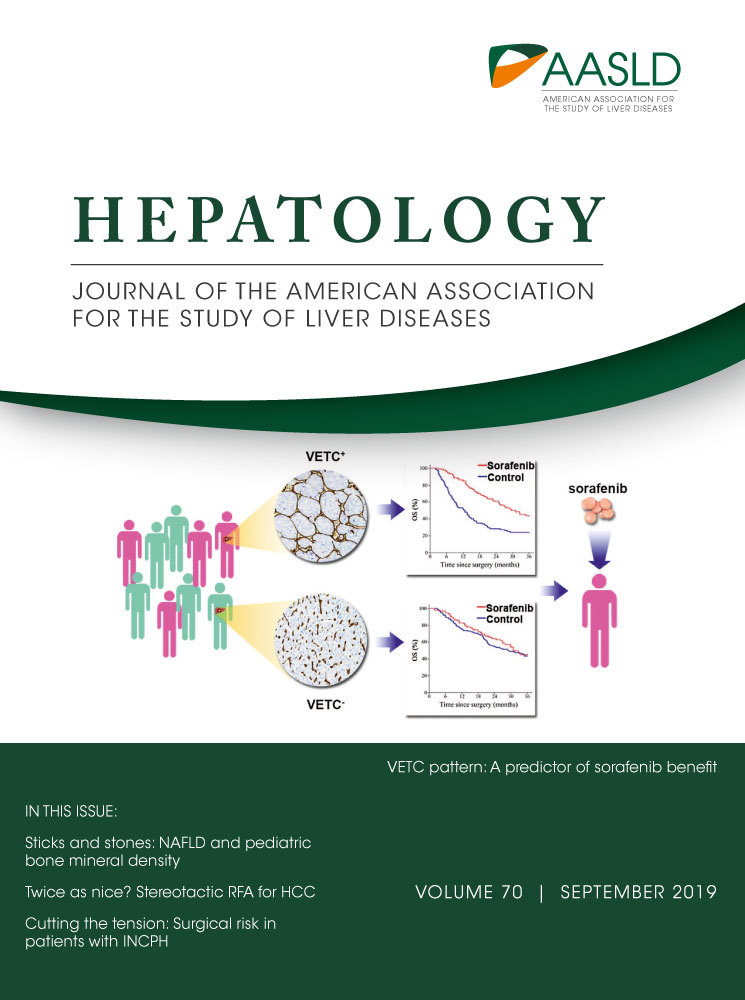 “Hepatic cardiomyopathy, a special type of heart failure develops in up to 50% of patients with cirrhosis and is a major determinant of survival. However, there is no reliable model of hepatic cardiomyopathy in mice. Herein we aimed to characterize the detailed hemodynamics of mice with bile-duct ligation (BDL)-induced liver fibrosis, by monitoring echocardiography and intracardiac pressure-volume (PV) relationships and myocardial structural alterations. Treatment of mice with a selective
  “The Endocannabinoid (eCB) system and its role in many physiological and pathological conditions is well described and accepted, and includes cardiovascular disorders. However, the eCB system has been expanded to an “-ome”; the endocannabinoidome (eCBome) that includes endocannabinoid-related mediators, their protein targets and metabolic enzymes, many of which significantly impact upon cardiometabolic health. These recent discoveries are here summarized with a special focus on their potential involvement in atherosclerosis. We described the role of classical components of the eCB system (eCBs, CB1 and CB2 receptors) and eCB-related lipids, their regulatory enzymes and molecular targets in atherosclerosis. Furthermore, since increasing evidence points to significant cross-talk between the eCBome and the gut microbiome and the gut microbiome and atherosclerosis, we explore the possibility that a gut microbiome – eCBome axis has potential implications in atherosclerosis.”
 “The endocannabinoid system (ECS) is an extensive endogenous signaling system with multiple elements, the number of which may be increasing as scientists continue to elucidate its role in human health and disease. The ECS is seemingly ubiquitous in animal species and is modulated by diet, sleep, exercise, stress, and a multitude of other factors, including exposure to phytocannabinoids, like