Targeting the endocannabinoid system for management of HIV-associated neuropathic pain: A systematic review

IBRO Neuroscience Reports“Human immunodeficiency virus (HIV) infection and antiretroviral therapy can independently induce HIV-associated neuropathic pain (HIV-NP).

Smoked cannabis has been reported to improve pain measures in patients with neuropathic pain.

Two clinical trials demonstrated greater efficacy of smoked cannabis over placebo in alleviating HIV-NP.

The available preclinical results suggest that targeting the ECS for prevention and treatment of HIV-NP is a plausible therapeutic option.

Clinical evidence shows that smoked cannabis alleviates HIV-NP.” 

https://pubmed.ncbi.nlm.nih.gov/34179865/

“Smoked cannabis has been shown to be effective for managing HIV-NP in two RCTs.”

https://www.sciencedirect.com/science/article/pii/S2667242121000051?via%3Dihub

The Interplay between the Immune and the Endocannabinoid Systems in Cancer

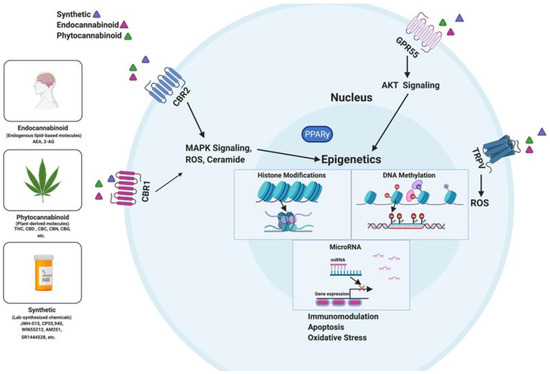
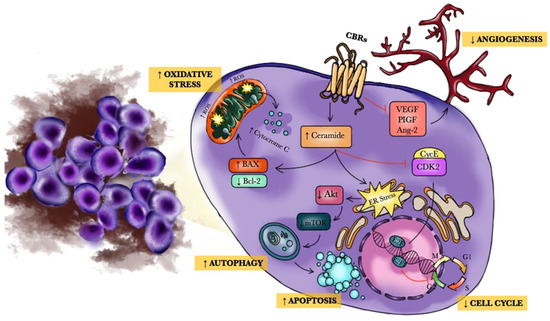
cells-logo“The therapeutic potential of Cannabis sativa has been recognized since ancient times. Phytocannabinoids, endocannabinoids and synthetic cannabinoids activate two major G protein-coupled receptors, subtype 1 and 2 (CB1 and CB2). Cannabinoids (CBs) modulate several aspects of cancer cells, such as apoptosis, autophagy, proliferation, migration, epithelial-to-mesenchymal transition and stemness. Moreover, agonists of CB1 and CB2 receptors inhibit angiogenesis and lymphangiogenesis in vitro and in vivo. Low-grade inflammation is a hallmark of cancer in the tumor microenvironment (TME), which contains a plethora of innate and adaptive immune cells. These cells play a central role in tumor initiation and growth and the formation of metastasis. CB2 and, to a lesser extent, CB1 receptors are expressed on a variety of immune cells present in TME (e.g., T cells, macrophages, mast cells, neutrophils, NK cells, dendritic cells, monocytes, eosinophils). The activation of CB receptors modulates a variety of biological effects on cells of the adaptive and innate immune system. The expression of CB2 and CB1 on different subsets of immune cells in TME and hence in tumor development is incompletely characterized. The recent characterization of the human cannabinoid receptor CB2-Gi signaling complex will likely aid to design potent and specific CB2/CB1 ligands with therapeutic potential in cancer.”

https://pubmed.ncbi.nlm.nih.gov/34064197/

https://www.mdpi.com/2073-4409/10/6/1282

Topical Cannabis-Based Medicines – A Novel Adjuvant Treatment for Venous Leg Ulcers: An Open-Label Trial

“Venous Leg Ulcers are highly prevalent lower limb integumentary wounds that remain challenging to heal despite the use of evidence-based compression therapies. A multitude of adjuvant treatments have been studied but none have demonstrated enough efficacy to gain adoption into treatment guidelines.

Global attention on cannabis-based therapies is increasing and has been driven by quantum scientific advancements in the understanding of the endocannabinoid signalling system. Topical Cannabis-Based Medicines represent a novel treatment paradigm for venous leg ulcers in terms of promoting wound closure.

Fourteen complex patients with sixteen recalcitrant leg ulcers were treated with Topical Cannabis-Based Medicines in conjunction with compression bandaging, every second day, to both wound bed and peri-wound tissues. The cohort had a mean age of 75.8 years and was medically complex as reflected by a mean M3 multimorbidity index score of 2.94 and a mean Palliative Performance Scale score of 67.1%.

Complete wound closure, defined being fully epithelialized, was achieved among 11 patients (79%) and 13 wounds (81%) within a median of 34 days. All three remaining patients demonstrated progressive healing trends but were lost to follow-up. The treatments were well tolerated, and no significant adverse reactions were experienced.

The rapid wound closure of previously non-healing venous leg ulcers among elderly and highly complex patients suggests that Topical Cannabis-Based Medicines may become effective adjuvants in conjunction with compression therapy. This may also indicate that they may have an even broader role within integumentary and wound management. Therefore, this treatment paradigm warrants being subjected to controlled trials.”

https://pubmed.ncbi.nlm.nih.gov/34013652/

https://onlinelibrary.wiley.com/doi/10.1111/exd.14395

Therapeutic Prospects of Cannabinoids in the Immunomodulation of Prevalent Autoimmune Diseases

View details for Cannabis and Cannabinoid Research cover image“Cannabinoids such as ▵-9-THC and CBD can downregulate the immune response by modulating the endocannabinoid system. This modulation is relevant for the treatment of prevalent autoimmune diseases (ADs), such as multiple sclerosis (MS), systemic lupus erythematosus (SLE), diabetes mellitus type 1 (DMT1), and rheumatoid arthritis (RA). These conditions require new therapeutic options with fewer side effects for the control of the autoimmune response. Objective: to conduct a literature review of preclinical scientific evidence that supports further clinical investigations for the use of cannabinoids (natural or synthetic) as potential immunomodulators of the immune response in ADs. 

Methodology: A systematic search was carried out in different databases using different MeSH terms, such as Cannabis sativa L., cannabinoids, immunomodulation, and ADs. Initially, 677 journal articles were found. After filtering by publication date (from 2000 to 2020 for SLE, DMT1, and RA; and 2010 to 2020 for MS) and removing the duplicate items, 200 articles were selected and analyzed by title and summary associated with the use of cannabinoids as immunomodulatory treatment for those diseases. 

Results: Evidence of the immunomodulatory effect of cannabinoids in the diseases previously mentioned, but SLE that did not meet the search criteria, was summarized from 24 journal articles. CBD was found to be one of the main modulators of the immune response. This molecule decreased the number of Th1 and Th17 proinflammatory cells and the production of the proinflammatory cytokines, interleukin (IL)-1, IL-12, IL-17, interferon (IFN)-γ, and tumor necrosis factor alpha, in mouse models of MS and DMT1. Additionally, new synthetic cannabinoid-like molecules, with agonist or antagonist activity on CB1, CB2, TRPV1, PPAR-α, and PPAR-γ receptors, have shown anti-inflammatory properties in MS, DMT1, and RA. 

Conclusion: Data from experimental animal models of AD showed that natural and synthetic cannabinoids downregulate inflammatory responses mediated by immune cells responsible for AD chronicity and progression. Although synthetic cannabinoid-like molecules were evaluated in just two clinical trials, they corroborated the potential use of cannabinoids to treat some ADs. Notwithstanding, new cannabinoid-based approaches are required to provide alternative treatments to patients affected by the large group of ADs.”

https://pubmed.ncbi.nlm.nih.gov/34030476/

https://www.liebertpub.com/doi/10.1089/can.2020.0183

Recovery from Traumatic Brain Injury Following Treatment with Δ9-Tetrahydrocannabinol Is Associated with Increased Expression of Granulocyte-Colony Stimulating Factor and Other Neurotrophic Factors

View details for Cannabis and Cannabinoid Research cover image“The hematopoietic cytokine granulocyte-colony stimulating factor (G-CSF) is well known to stimulate proliferation of blood stem/progenitor cells of the leukocyte lineage, but is also recognized as a neurotrophic factor involved in brain self-repair processes. G-CSF administration has been shown to promote recovery from experimental models of traumatic brain injury (TBI) and to modulate components of the endocannabinoid system (eCS). Conversely, Δ9-tetrahydrocannabinol (Δ9THC) treatment of normal mice has been shown to increase blood levels of G-CSF in the periphery. 

Hypothesis: Administration of the phytocannabinoid Δ9THC will enhance brain repair following controlled cortical impact (CCI) by upregulating G-CSF and other neurotrophic factors (brain-derived neurotrophic factor [BDNF] and glial-derived neurotrophic factor [GDNF]) in brain regions. 

Materials and Methods: C57BL/6J mice underwent CCI and were treated for 3 days with THC 3 mg/kg intraperitoneally. Motor function on a rotarod was recorded at baseline and 3, 7, and 14 days after CCI. Groups of mice were euthanized at 7 and 14 days. G-CSF, BDNF, and GDNF expression were measured at 7 and 14 days in cerebral cortex, striatum, and hippocampus on the side of the trauma. 

Results: Δ9THC-treated mice ran on the rotarod longer than vehicle-treated mice and recovered to normal rotarod performance levels at 2 weeks. These mice, compared to vehicle-treated animals, exhibited significant upregulation of G-CSF as well as BDNF and GDNF in cerebral cortex, striatum, and hippocampus. 

Conclusion: Administration of the phytocannabinoid Δ9THC promotes significant recovery from TBI and is associated with upregulation of brain G-CSF, BDNF, and GDNF, neurotrophic factors previously shown to mediate brain self-repair following TBI and stroke.”

https://pubmed.ncbi.nlm.nih.gov/33998887/

https://www.liebertpub.com/doi/10.1089/can.2020.0119

Cannabinoid Receptor Type-2 in B Cells Is Associated with Tumor Immunity in Melanoma

cancers-logo“Agents targeting the endocannabinoid system (ECS) have gained attention as potential cancer treatments. Given recent evidence that cannabinoid receptor 2 (CB2R) regulates lymphocyte development and inflammation, we performed studies on CB2R in the immune response against melanoma. Analysis of The Cancer Genome Atlas (TCGA) data revealed a strong positive correlation between CB2R expression and survival, as well as B cell infiltration in human melanoma. In a murine melanoma model, CB2R expression reduced the growth of melanoma as well as the B cell frequencies in the tumor microenvironment (TME), compared to CB2R-deficient mice. In depth analysis of tumor-infiltrating B cells using single-cell RNA sequencing suggested a less differentiated phenotype in tumors from Cb2r-/- mice. Thus, in this study, we demonstrate for the first time a protective, B cell-mediated role of CB2R in melanoma. This gained insight might assist in the development of novel, CB2R-targeted cancer therapies.”

https://pubmed.ncbi.nlm.nih.gov/33923757/

“In this study we investigated the role of cannabinoid receptor 2 (CB2R) on immune cells in melanoma and found significantly improved overall survival in patients with high intra-tumoral CB2R gene expression. In human melanoma, CB2R is predominantly expressed in B cells, as shown using a previously published single-cell RNA sequencing (scRNA-seq) dataset and by performing RNAscope. In a murine melanoma model, tumor growth was enhanced in CB2R-deficient mice. In-depth analysis of tumor-infiltrating lymphocytes using scRNA-seq showed less differentiated B cells in CB2R-deficient tumors, favoring the induction of regulatory T cells (Treg) and an immunosuppressive tumor microenvironment. Taken together, these data indicate a central role of CB2R on B cells in regulating tumor immunity. These results contribute to the understanding of the role of CB2R in tumor immunity and facilitate the development of new CB2R-targeted anti-cancer drugs.”

https://www.mdpi.com/2072-6694/13/8/1934

Human laryngeal squamous cell carcinoma cell line release of endogenous anandamide and 2-arachidonoylglycerol, and their antiproliferative effect via exogenous supplementation: an in vitro study

SpringerLink“The level of the major endocannabinoids anandamide (AEA) and 2-arachidonoylglycerol (2-AG) are altered in several types of carcinomas, and are known to regulate tumor growth. Thusly, this study hypothesized that the HEp-2 human laryngeal squamous cell carcinoma (LSCC) cell line releases AEA and 2-AG, and aimed to determine if their exogenous supplementation has an anti-proliferative effect in vitro.

In this in vitro observational study a commercial human LSCC cell line (HEp-2) was used to test for endogenous AEA and 2-AG release via liquid chromatography-tandem mass spectrometry (LC-MS/MS). The anti-proliferative effect of AEA and 2-AG supplementation was evaluated via WST-1 proliferation assay. It was observed that the HEp-2 LSCC cell line released AEA and 2-AG; the median quantity of AEA released was 15.69 ng mL-1 (range: 14.55-15.95 ng mL-1) and the median quantity of 2-AG released was 2.72 ng -1 (range: 2.67-2.74 ng mL-1). Additionally, both AEA and 2-AG exhibited an anti-proliferative effect. The anti-proliferative effect of 2-AG was stronger than that of AEA. These findings suggest that AEA might function via a CB1 receptor-independent pathway and that 2-AG might function via a CB2-dependent pathway.

The present findings show that the HEp-2 LSCC cell line releases the major endocannabinoids AEA and 2-AG, and that their supplementation inhibits tumor cell proliferation in vitro. Thus, cannabinoid ligands might represent novel drug candidates for laryngeal cancers, although functional in vivo studies are required in order to validate their potency.”

https://pubmed.ncbi.nlm.nih.gov/33797678/

https://link.springer.com/article/10.1007/s10561-021-09917-9

Emerging role of cannabinoids and synthetic cannabinoid receptor 1/cannabinoid receptor 2 receptor agonists in cancer treatment and chemotherapy-associated cancer management

 Journal of Cancer Research and Therapeutics“Cannabis was extensively utilized for its medicinal properties till the 19th century. A steep decline in its medicinal usage was observed later due to its emergence as an illegal recreational drug. Advances in technology and scientific findings led to the discovery of delta-9-tetrahydrocannabinol (THC), the primary psychoactive compound of cannabis, that further led to the discovery of endogenous cannabinoids system consisting of G-protein-coupled receptors – cannabinoid receptor 1 and cannabinoid receptor 2 along with their ligands, mainly anandamide and 2-arachidonoylglycerol. Endocannabinoid (EC) is shown to be a modulator not only for physiological functions but also for the immune system, endocrine network, and central nervous system. Medicinal research and meta-data analysis over the last few decades have shown a significant potential for both THC and cannabidiol (CBD) to exert palliative effects. People suffering from many forms of advanced stages of cancers undergo chemotherapy-induced nausea and vomiting followed by severe and chronic neuropathic pain and weight loss. THC and CBD exhibit effective analgesic, anxiolytic, and appetite-stimulating effect on patients suffering from cancer. Drugs currently available in the market to treat such chemotherapy-induced cancer-related ailments are Sativex (GW Pharmaceutical), Dronabinol (Unimed Pharmaceuticals), and Nabilone (Valeant Pharmaceuticals). Apart from exerting palliative effects, THC also shows promising role in the treatment of cancer growth, neurodegenerative diseases (multiple sclerosis and Alzheimer’s disease), and alcohol addiction and hence should be exploited for potential benefits. The current review discusses the nature and role of CB receptors, specific applications of cannabinoids, and major studies that have assessed the role of cannabinoids in cancer management.”

https://pubmed.ncbi.nlm.nih.gov/33723124/

“Specific targeting of cannabinoid receptors can be used to manage severe side effects during chemotherapy, palliative care, and overall cancer management. Furthermore, research evidences on cannabinoids have suggested tumor inhibiting and suppressing properties which warrant reconsidering legality of the substance. Studies on CB1 and CB2 receptors, in case of cancers, have demonstrated the psychoactive constituents of cannabinoids to be potent against tumor growth. Interestingly, studies have also shown that activation of CB1 and CB2 cannabinoid receptors by their respective synthetic agonists tends to limit human cancer cell growth, suggesting the role of the endocannabinoid system as a novel target for treatment of cancers.”

https://www.cancerjournal.net/article.asp?issn=0973-1482;year=2021;volume=17;issue=1;spage=1;epage=9;aulast=Shah

The Role of Cannabinoids as Anticancer Agents in Pediatric Oncology

cancers-logo“Cannabinoids are a group of chemicals that bind to receptors in the human body and, in turn, modulate the endocannabinoid system (ECS). They can be endogenously produced, synthetic, or derived from the plant Cannabis sativa L.

Research over the past several decades has shown that the ECS is a cellular communication network essential to maintain multiple biological functions and the homeostasis of the body. Indeed, cannabinoids have been shown to influence a wide variety of biological effects, including memory, pain, reproduction, bone remodeling or immunity, to name a few.

Unsurprisingly, given these broad physiological effects, alterations of the ECS have been found in different diseases, including cancer. In recent years, the medical use of cannabis has been approved in different countries for a variety of human conditions. However, the use of these compounds, specifically as anticancer agents, remains controversial.

Studies have shown that cannabinoids do have anticancer activity in different tumor types such as breast cancer, melanoma, lymphoma and adult brain cancer. Specifically, phytocannabinoids Δ9-tetrahydrocannabinol (THC) and cannabidiol (CBD) has been shown to induce apoptosis and inhibit proliferation of adult cancer cells, as well as modulate angiogenesis and metastasis.

Despite increasing evidence that cannabinoids elicit antitumor effects in adult cancers, there is minimal data available on their effects in children or in pediatric cancers despite public and clinical demand for information. Here we describe a comprehensive and critical review of what is known about the effects of cannabinoids on pediatric cancers, highlight current gaps in knowledge and identify the critical issues that need addressing before considering these promising but controversial drugs for use in pediatric oncology.”

https://pubmed.ncbi.nlm.nih.gov/33466435/

https://www.mdpi.com/2072-6694/13/1/157

Cannabinoids in Medicine: Cancer, Immunity, and Microbial Diseases

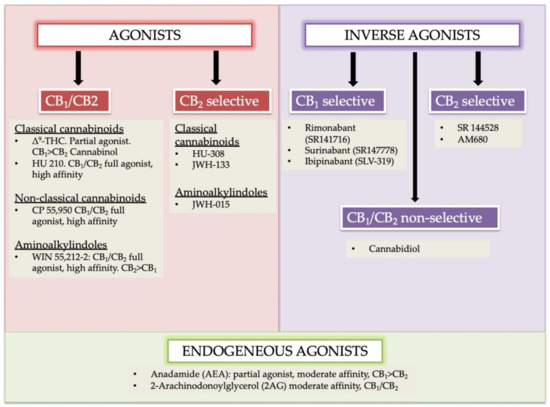
ijms-logo“Recently, there has been a growing interest in the medical applications of Cannabis plants. They owe their unique properties to a group of secondary metabolites known as phytocannabinoids, which are specific for this genus. Phytocannabinoids, and cannabinoids generally, can interact with cannabinoid receptors being part of the endocannabinoid system present in animals. Over the years a growing body of scientific evidence has been gathered, suggesting that these compounds have therapeutic potential.

In this article, we review the classification of cannabinoids, the molecular mechanisms of their interaction with animal cells as well as their potential application in the treatment of human diseases. Specifically, we focus on the research concerning the anticancer potential of cannabinoids in preclinical studies, their possible use in cancer treatment and palliative medicine, as well as their influence on the immune system. We also discuss their potential as therapeutic agents in infectious, autoimmune, and gastrointestinal inflammatory diseases.

We postulate that the currently ongoing and future clinical trials should be accompanied by research focused on the cellular and molecular response to cannabinoids and Cannabis extracts, which will ultimately allow us to fully understand the mechanism, potency, and safety profile of cannabinoids as single agents and as complementary drugs.”

https://pubmed.ncbi.nlm.nih.gov/33383838/

“Additionally, much evidence from pre-clinical and clinical studies has been gathered over the last decade, suggesting that multiple substances produced by Cannabis plants have a therapeutic potential, including anticancer properties.”

https://www.mdpi.com/1422-0067/22/1/263/htm