

“Endocannabinoids are host-derived lipid hormones that fundamentally impact gastrointestinal (GI) biology. The use of cannabis and other exocannabinoids as anecdotal treatments for various GI disorders inspired the search for mechanisms by which these compounds mediate their effects, which led to the discovery of the mammalian endocannabinoid system. Dysregulated endocannabinoid signaling was linked to inflammation and the gut microbiota. However, the effects of endocannabinoids on host susceptibility to infection has not been explored. Here, we show that mice with elevated levels of the endocannabinoid 2-arachidonoyl glycerol (2-AG) are protected from enteric infection by Enterobacteriaceae pathogens. 2-AG directly modulates pathogen function by inhibiting virulence programs essential for successful infection. Furthermore, 2-AG antagonizes the bacterial receptor QseC, a histidine kinase encoded within the core Enterobacteriaceae genome that promotes the activation of pathogen-associated type three secretion systems. Taken together, our findings establish that endocannabinoids are directly sensed by bacteria and can modulate bacterial function.”

 “∆ 9 -Tetrahydrocannabinol (∆9 -THC), the active phytocannabinoid in cannabis, is virtually an adjunct to the endogenous endocannabinoid signaling system.
 “While activation of cannabinoid (CB2) receptors has been shown to be neuroprotective, no studies have examined whether this neuroprotection is directed at cerebral arterioles and no studies have examined whether activation of CB2 receptors can rescue cerebrovascular dysfunction during a chronic disease state such as type 1 diabetes (T1D).
 “Non-Uremic Calciphylaxis (NUC) is a rare condition that often manifests as intractable and painful integumentary wounds, afflicting patients with a high burden of co-morbidity.
 “There is no argument with regard to the physical and psychological stress-related nature of neuropsychiatric disorders. Yet, the mechanisms that facilitate disease onset starting from molecular stress responses are elusive.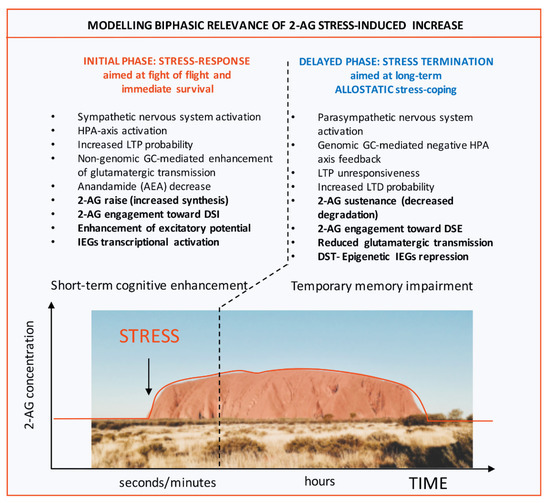
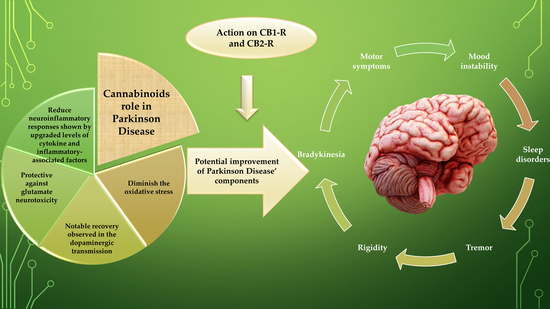
 “The endocannabinoid signaling system (ECSS) is altered by exposure to stress and mediates and modulates the effects of stress on the brain.
 “Inspired by the medicinal properties of the plant Cannabis sativa and its principal component (-)-trans-Δ9-tetrahydrocannabinol (THC), researchers have developed a variety of compounds to modulate the endocannabinoid system in the human brain.
 “Coronavirus disease 2019 (COVID-19) is spreading fast all around the world with more than fourteen millions of detected infected cases and more than 600.000 deaths by 20th July 2020. While scientist are working to find a vaccine, current epidemiological data shows that the most common comorbidities for patients with the worst prognosis, hypertension and diabetes, are often treated with angiotensin converting enzyme (ACE) inhibitors and angiotensin receptor blockers (ARBs).
 “Alzheimer’s disease (AD) is an irreversible chronic neurodegenerative disorder that occurs when neurons in the brain degenerate and die. Pain frequently arises in older patients with neurodegenerative diseases including AD. However, the presence of pain in older people is usually overlooked with cognitive dysfunctions. Most of the times dementia patients experience moderate to severe pain but the development of severe cognitive dysfunctions tremendously affects their capability to express the presence of pain. Currently, there are no effective treatments against AD that emphasize the necessity for increasing research to develop novel drugs for treating or preventing the disease process. Furthermore, the prospective therapeutic use of cannabinoids in AD has been studied for the past few years. In this regard, targeting the endocannabinoid system has considered as a probable therapeutic strategy to control several associated pathological pathways, such as mitochondrial dysfunction, excitotoxicity, oxidative stress, and neuroinflammation for the management of AD. In this review, we focus on recent studies about the role of cannabinoids for the treatment of pain and related neuropathological changes in AD.”