
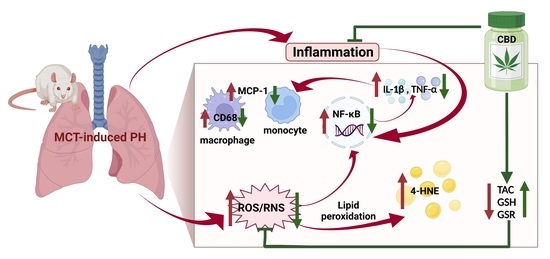
“Cannabis sativa has chemically active compounds called cannabinoids, where Δ9- tetrahydrocannabinol (THC) and Cannabidiol (CBD) are the major ones responsible for the various pharmacological effects.
The endocannabinoid system is an endogenous system considered a unique and widespread homeostatic physiological regulator. It is made up of type 1 (CB1) and type 2 (CB2) cannabinoid receptors. CBD, in turn, has a low affinity for CB1 and CB2 receptors, and regulates the effects arising from THC as a CB1 partial agonist, which are tachycardia, anxiety, and sedation. It also acts as a CB2 inverse agonist, resulting in anti-inflammatory effects.
Furthermore, its anticonvulsant, neuroprotective, antipsychotic, antiemetic, anxiolytic, anticancer, and antioxidant effects seem to be linked to other discovered receptors such as GRP55, 5TH1a, TRPV I, TRPV II and the regulation of the intracellular concentration of Ca2+. Regarding oxidative stress, O2- can act as an oxidizing agent, being reduced to hydrogen peroxide (H2O2), or as a reducing agent, donating its extra electron to NO to form peroxynitrite (ONOO-). The ONOO- formed is capable of oxidizing proteins, lipids, and nucleic acids, causing several cell damages.
In this sense, CBD can prevent cardiac oxidative damage in many conditions, such as hypertension, diabetes, or even through the cardiotoxic effects induced by chemotherapy, which makes it a potential target for future clinical use to minimize the deleterious effects of many pathophysiologies.”


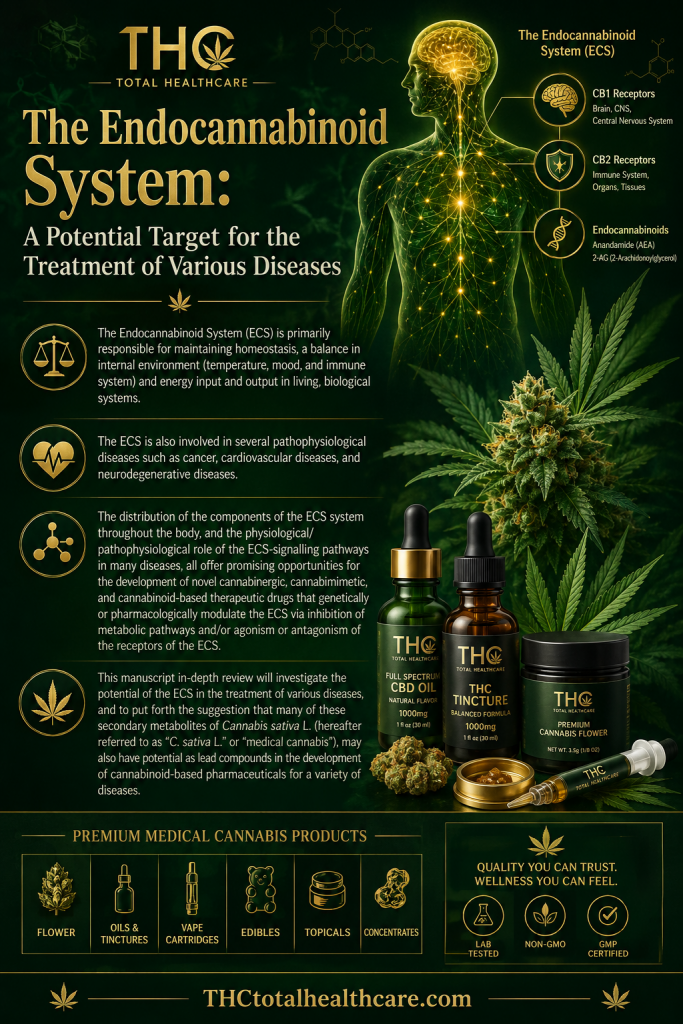
 “The Endocannabinoid System (ECS) is primarily responsible for maintaining homeostasis, a balance in internal environment (temperature, mood, and immune system) and energy input and output in living, biological systems.
 “Proteins from hemp bran (HPB), a byproduct of the hemp seed food-processing chain, were chemically extracted, hydrolyzed by Alcalase, and separated by membrane ultrafiltration into four fractions (MW <1, 1-3, 3-5, and >5 kDa).
 “Background: Medical cannabis use is increasing rapidly in the past several years, with older adults being the fastest growing group. Nevertheless, the evidence for cardiovascular safety of cannabis use is scarce. The aim of this study was to assess the effect of cannabis on blood pressure, heart rate, and metabolic parameters in older adults with hypertension.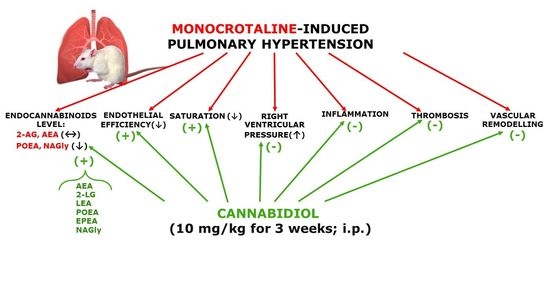
 “Neuroinflammation in the rostral ventrolateral medulla (RVLM) has been reported to be associated with hypertension. The upregulation and activation of the
  “Excessive activation of the sympatho-adrenomedullary system plays a pathogenic role in triggering and sustaining essential hypertension. We previously reported that, in normotensive rats, intracerebroventricularly (i.c.v.) administered neuropeptides, corticotropin-releasing factor and bombesin induced activation of the sympatho-adrenomedullary system, and that brain