
 “Cannabinoids are increasingly-used substances in the treatment of chronic pain, some neuropsychiatric disorders and more recently, skin disorders with an inflammatory component.
This paper aims to detail and clarify the complex workings of cannabinoids in the molecular setting of the main dermatological inflammatory diseases, and their interactions with other substances with emerging applications in the treatment of these conditions. Also, the potential role of cannabinoids as antitumoral drugs is explored in relation to the inflammatory component of skin cancer.
In vivo and in vitro studies that employed either phyto-, endo-, or synthetic cannabinoids were considered in this paper. Cannabinoids are regarded with growing interest as eligible drugs in the treatment of skin inflammatory conditions, with potential anticancer effects, and the readiness in monitoring of effects and the facility of topical application may contribute to the growing support of the use of these substances.
Despite the promising early results, further controlled human studies are required to establish the definitive role of these products in the pathophysiology of skin inflammation and their usefulness in the clinical setting.”
https://www.ncbi.nlm.nih.gov/pubmed/32033005
https://www.mdpi.com/1420-3049/25/3/652
“Cannabinoid Signaling in the Skin: Therapeutic Potential of the “C(ut)annabinoid” System” https://www.ncbi.nlm.nih.gov/pmc/articles/PMC6429381/
 “Medical marijuana is becoming widely available to patients in the U.S. and with recreational marijuana now legalized in many states, patient interest is on the rise.
 “Cannabis is increasingly being used world-wide to treat a variety of dermatological conditions. Medicinal cannabis is currently legalized in Canada, 31 states in America and 19 countries in Europe. The authors reviewed the literature on the pharmacology and use of
 “Endocannabinoids (ECs) are important regulators of cell signaling.
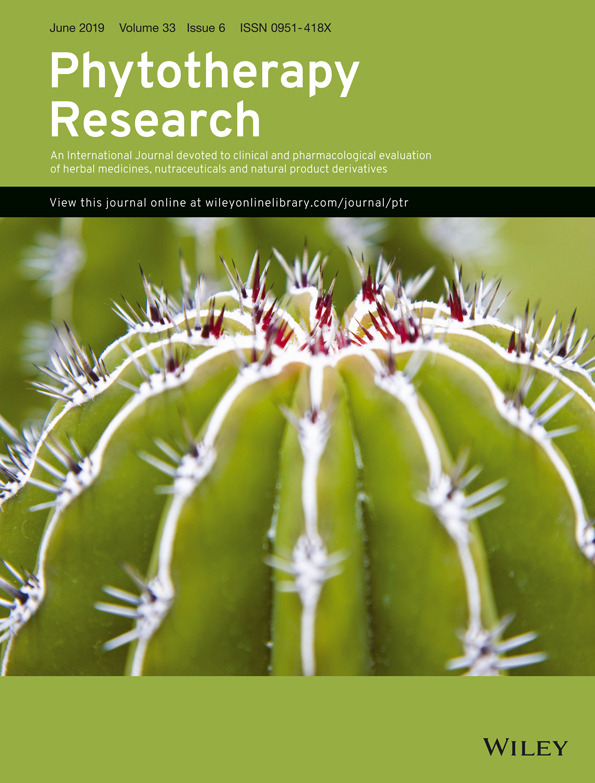 “The present study investigates the potential effect of a Cannabis sativa L. ethanolic extract standardized in cannabidiol as antiinflammatory agent in the skin. The extract inhibited the release of mediators of inflammation involved in wound healing and inflammatory processes occurring in the skin. Cannabis extract and cannabidiol showed different effects on the release of interleukin-8 and vascular endothelial growth factor, which are both mediators whose genes are dependent on NF-κB. Our findings provide new insights into the potential effect of Cannabis extracts against inflammation-based skin diseases.”
 “The skin is the largest organ of the body and has a complex and very active structure that contributes to homeostasis and provides the first line defense against injury and infection.
In the past few years it has become evident that the endocannabinoid system (ECS) plays a relevant role in healthy and diseased skin.
Specifically, we review how the dysregulation of ECS has been associated to dermatological disorders such as atopic dermatitis, psoriasis, scleroderma and skin cancer. Therefore, the druggability of the ECS could open new research avenues for the treatment of the pathologies mentioned.
Numerous studies have reported that phytocannabinoids and their biological analogues modulate a complex network pharmacology involved in the modulation of ECS, focusing on classical
“The skin is the largest organ of the body and has a complex and very active structure that contributes to homeostasis and provides the first line defense against injury and infection.
In the past few years it has become evident that the endocannabinoid system (ECS) plays a relevant role in healthy and diseased skin.
Specifically, we review how the dysregulation of ECS has been associated to dermatological disorders such as atopic dermatitis, psoriasis, scleroderma and skin cancer. Therefore, the druggability of the ECS could open new research avenues for the treatment of the pathologies mentioned.
Numerous studies have reported that phytocannabinoids and their biological analogues modulate a complex network pharmacology involved in the modulation of ECS, focusing on classical