Does cannabis affect dopaminergic signaling in the human brain? A systematic review of evidence to date.

“While abnormalities in multiple pathways may lead to schizophrenia, an abnormality in dopamine neurotransmission is considered to be the final common abnormality.

One would thus expect cannabis use to be associated with dopamine signaling alterations.

This is the first systematic review of all studies, both observational as well as experimental, examining the acute as well as chronic effect of cannabis or its main psychoactive ingredient, THC, on the dopamine system in man…

In man, there is as yet little direct evidence to suggest that cannabis use affects acute striatal dopamine release or affects chronic dopamine receptor status in healthy human volunteers. ”

http://www.ncbi.nlm.nih.gov/pubmed/26068702

Medical Marijuana in Pediatric Neurological Disorders.

“Marijuana and marijuana-based products have been used to treat medical disease.

Recently, derivatives of the plant have been separated or synthesized to treat various neurological disorders, many of them affecting children.

Unfortunately, data are sparse in regard to treating children with neurologic illness. Therefore, formal conclusions about the potential efficacy, benefit, and adverse effects for these products cannot be made at this time.

Further robust research using strong scientific methodology is desperately needed to formally evaluate the role of these products in children.”

http://www.ncbi.nlm.nih.gov/pubmed/26060306

“The endocannabinoid-CB receptor system: Importance for development and in pediatric disease.”  http://www.ncbi.nlm.nih.gov/pubmed/15159678

Localization of an endocannabinoid system in the hypophysial pars tuberalis and pars distalis of man.

“The hypophysial pars tuberalis (PT) acts as an important interface between neuroendocrine brain centers (hypothalamus, pineal organ) and the pars distalis (PD) of the hypophysis.

Recently, we have identified an endocannabinoid system in the PT of hamsters and provided evidence that 2-arachidonoylglycerol is a messenger molecule that appears to play an essential role in seasonal reproduction and prolactin release by acting on the cannabinoid receptors in the PD.”

“An endocannabinoid system is localized to the hypophysial pars tuberalis of Syrian hamsters and responds to photoperiodic changes.”  http://www.ncbi.nlm.nih.gov/pubmed/20165884

“We now demonstrate the enzymes involved in endocannabinoid synthesis and degradation, namely sn-1-selective diacylglycerol lipase α, N-acylphosphatidylethanolamine-specific phospholipase D, and monoacylglycerol lipase, in the PT of man by means of immunohistochemistry.

High-performance liquid chromatography coupled with tandem mass spectrometry revealed 2-arachidonoylglycerol and other endocannabinoids in the human PT.

Furthermore, we detected the expression of the cannabinoid receptor 1 (CB1), a primary receptor for endocannabinoids, in the PD.

Our data thus indicate that the human PT comprises an endocannabinoid system, and that corticotrophs and FS-cells are the main target cells for endocannabinoids.

The functional significance of this newly discovered pathway remains to be elucidated in man; it might be related to the control of stress responses and/or reflect a remnant seasonal control of hypophysial hormonal secretion.”

http://www.ncbi.nlm.nih.gov/pubmed/20957495

The rat pineal gland comprises an endocannabinoid system.

“In the mammalian pineal gland, the rhythm in melatonin biosynthesis depends on the norepinephrine (NE)-driven regulation of arylalkylamine N-acetyltransferase (AANAT), the penultimate enzyme of melatonin biosynthesis.

A recent study showed that phytocannabinoids like tetrahydrocannabinol reduce AANAT activity and attenuate NE-induced melatonin biosynthesis in rat pineal glands, raising the possibility that an endocannabinoid system is present in the pineal gland…

In summary, the pineal gland comprises indispensable compounds of the endocannabinoid system indicating that endocannabinoids may be involved in the control of pineal physiology.”

http://www.ncbi.nlm.nih.gov/pubmed/18554250

Rhythmic control of endocannabinoids in the rat pineal gland.

“Endocannabinoids modulate neuroendocrine networks by directly targeting cannabinoid receptors.

The time-hormone melatonin synchronizes these networks with external light condition and guarantees time-sensitive and ecologically well-adapted behaviors.

Here, the endocannabinoid arachidonoyl ethanolamide (AEA) showed rhythmic changes in rat pineal glands with higher levels during the light-period and reduced amounts at the onset of darkness.

Norepinephrine, the essential stimulus for nocturnal melatonin biosynthesis, acutely down-regulated AEA and other endocannabinoids in cultured pineal glands.

These temporal dynamics suggest that AEA exerts time-dependent autocrine and/or paracrine functions within the pineal.

Moreover, endocananbinoids may be released from the pineal into the CSF or blood stream.”

http://www.ncbi.nlm.nih.gov/pubmed/26061461

Effects of cannabinoids and their receptors on viral infections.

“Cannabinoids, the active ingredient in marijuana, and their derivatives have received remarkable attention in the last two decades because they can affect tumor growth and metastasis.

There is a large body of evidence from in vivo and in vitro models showing that cannabinoids and their receptors influence the immune system, viral pathogenesis, and viral replication.

The present study reviews current insights into the role of cannabinoids and their receptors on viral infections.

The results reported here indicate that cannabinoids and their receptors have different sequels for viral infection.

Although activation or inhibition of cannabinoid receptors in the majority of viral infections are proper targets for development of safe and effective treatments, caution is required before using pharmaceutical cannabinoids as a treatment agent for patients with viral infections.”

Involvement of cannabinoid receptors in infrasonic noise-induced neuronal impairment.

“Excessive exposure to infrasound, a kind of low-frequency but high-intensity sound noise generated by heavy transportations and machineries, can cause vibroacoustic disease which is a progressive and systemic disease, and finally results in the dysfunction of central nervous system.

Our previous studies have demonstrated that glial cell-mediated inflammation may contribute to infrasound-induced neuronal impairment, but the underlying mechanisms are not fully understood.

Here, we show that cannabinoid (CB) receptors may be involved in infrasound-induced neuronal injury.

…our results provide the first evidence that CB receptors may be involved in infrasound-induced neuronal impairment possibly by affecting the release of proinflammatory cytokines.”

http://www.ncbi.nlm.nih.gov/pubmed/26058582

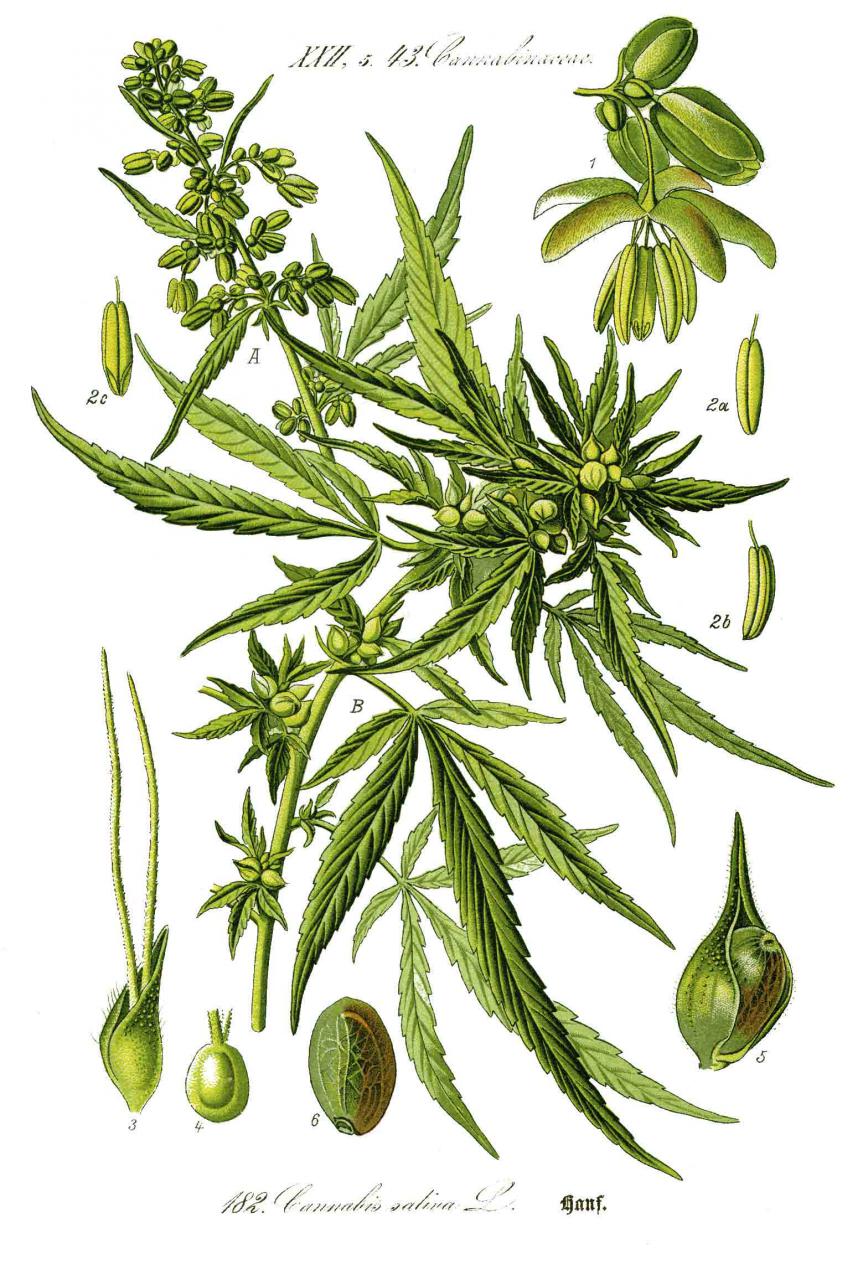
Photosynthetic response of Cannabis sativa L., an important medicinal plant, to elevated levels of CO2

“Cannabis sativa L. (Cannabaceae) is a widely distributed plant around the world. It has a long history of medicinal use as far back as the 6th century B.C. Cannabis sativa is the natural source of the cannabinoids, a unique group of terpeno-phenolic compounds that accumulate in the glandular trichomes of the plant.

Δ9-Tetrahydrocannabinolic acid (Δ9-THCA) is the major cannabinoid which upon decarboxylation with age or heating gives rise to Δ9-THC, the primary psychoactive agent. The pharmacologic and therapeutic potency of Cannabis preparations and Δ9-THC have been extensively reviewed.

Despite of its medicinal importance and widespread occurrence, to the best of our knowledge, no information is available on the consequences of rising atmospheric CO2 concentration on its photosynthesis and growth performance.

This study describes the short term effect of elevated CO2 on photosynthetic characteristics and stomatal response in four different high Δ9-THC yielding varieties of Cannabis sativa.

The higher water use efficiency (WUE) under elevated CO2 conditions in Cannabis sativa, primarily because of decreased stomatal conductance and subsequently the transpiration rate, may enable this species to survive under expected harsh greenhouse effects including elevated CO2 concentration and drought conditions.”

http://www.ncbi.nlm.nih.gov/pmc/articles/PMC3550578/

Metabolic fingerprinting of Cannabis sativa L., cannabinoids and terpenoids for chemotaxonomic and drug standardization purposes.

“Cannabis sativa L. is an important medicinal plant.

In order to develop cannabis plant material as a medicinal product quality control and clear chemotaxonomic discrimination between varieties is a necessity.

Therefore in this study 11 cannabis varieties were grown under the same environmental conditions. Chemical analysis of cannabis plant material used a gas chromatography flame ionization detection method that was validated for quantitative analysis of cannabis monoterpenoids, sesquiterpenoids, and cannabinoids. Quantitative data was analyzed using principal component analysis to determine which compounds are most important in discriminating cannabis varieties.

In total 36 compounds were identified and quantified in the 11 varieties. Using principal component analysis each cannabis variety could be chemically discriminated. This methodology is useful for both chemotaxonomic discrimination of cannabis varieties and quality control of plant material.”

http://www.ncbi.nlm.nih.gov/pubmed/21040939

The effect of phytocannabinoids on airway hyper-responsiveness, airway inflammation, and cough.

“Cannabis has been demonstrated to have bronchodilator, anti-inflammatory, and antitussive activity in the airways…

We compared the effects of Δ(9)-tetrahydrocannabinol, cannabidiol, cannabigerol, cannabichromene, cannabidiolic acid, and tetrahydrocannabivarin on contractions of the guinea pig-isolated trachea and bronchoconstriction induced by nerve stimulation or methacholine in anesthetized guinea pigs following exposure to saline or the proinflammatory cytokine, tumor necrosis factor α (TNF-α)…

Only Δ(9)-tetrahydrocannabinol inhibited TNF-α-enhanced vagal-induced bronchoconstriction, neutrophil recruitment to the airways, and citric acid-induced cough responses…

The other cannabinoids did not influence cholinergic transmission, and only Δ(9)-THC demonstrated effects on airway hyper-responsiveness, anti-inflammatory activity, and antitussive activity in the airways.”

http://www.ncbi.nlm.nih.gov/pubmed/25655949